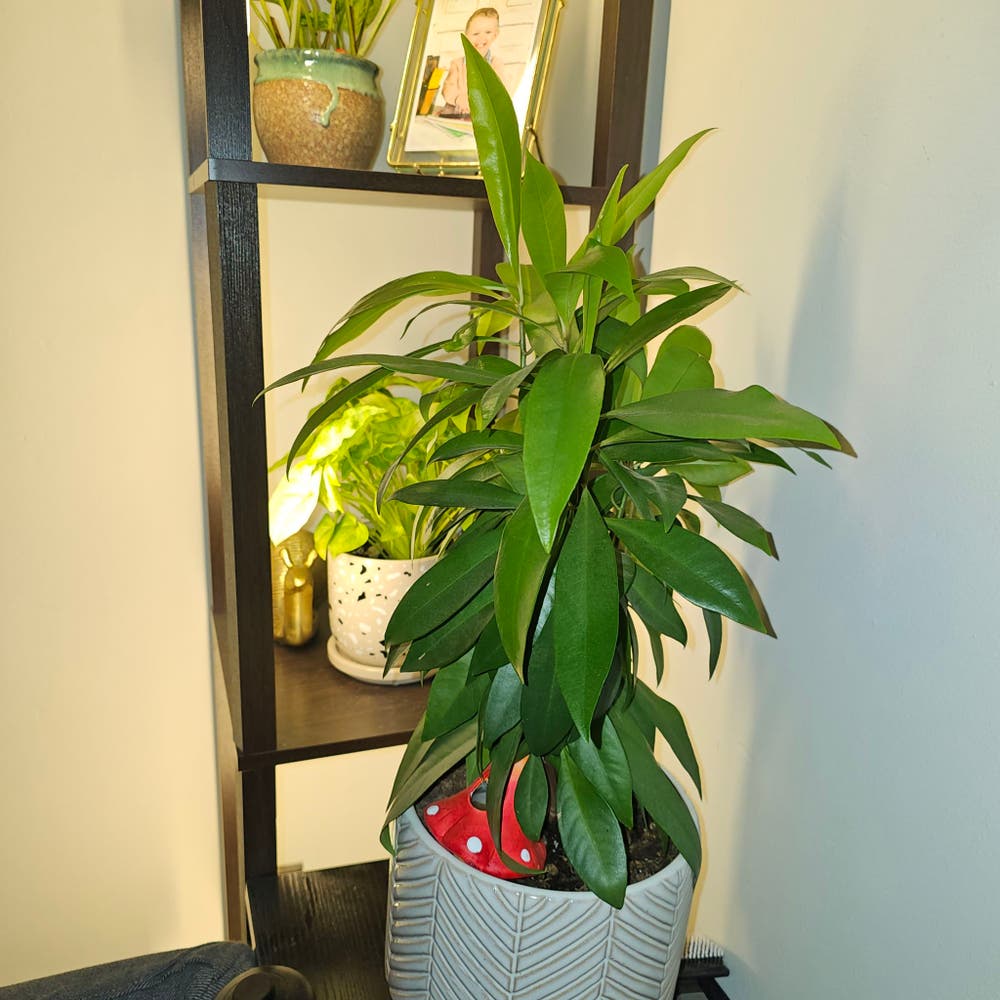
Tachibana is Not an Invasive Plant
Ardisia tachibana
By the Greg Editorial Team
Nov 26, 2024•5 min read
This article was created with the help of AI so we can cover more plants for you. May contain errors. See one? Report it here.
Transform your garden with Tachibana 🌼, a beautiful, non-invasive plant that supports local ecosystems!
- 🌱 Tachibana is non-invasive, making it ideal for diverse garden settings.
- 🐝 Supports biodiversity by attracting beneficial insects and coexisting with native plants.
- 🌿 Easy to manage with regular pruning and care similar to other non-invasive citrus.
Plant Classification
Definition of Invasive Species 🌱
Invasive species are plants that exhibit certain characteristics, making them a threat to local ecosystems. They typically show rapid growth and spread, displacing native plants and negatively impacting the environment.
Key characteristics of invasive species include:
- Rapid Growth and Spread: They can quickly dominate an area, outcompeting local flora.
- Displacement of Native Plants: Their aggressive nature often leads to the decline of native species.
- Negative Impact on Local Ecosystems: They disrupt the balance of local habitats, harming wildlife and plant diversity.
Why Tachibana is Not Invasive 🌼
Tachibana stands out as a non-invasive plant, making it a great choice for gardens. Its moderate growth rate allows it to reach a height of 3-5 feet, which is easily manageable in various garden settings.
- Limited Spread Potential: Tachibana thrives in well-drained soils but does not aggressively invade surrounding areas, ensuring it remains contained.
- Positive Contribution to Biodiversity: Unlike invasive species, Tachibana enhances biodiversity without overwhelming native flora, supporting a balanced ecosystem.
By understanding these distinctions, gardeners can confidently incorporate Tachibana into their landscapes, knowing it will coexist harmoniously with local plants. This sets the stage for exploring its growth habits and ecological role in the next sections.
Growth Habits
Typical Growth Patterns 🌱
Tachibana exhibits a bushy, compact growth habit, making it an excellent choice for various landscape designs. Its active growth occurs during the warmer months, with the potential for fruiting in late summer, adding a vibrant touch to your garden.
Natural Limits to Growth 🌍
This plant thrives in well-drained soils, which naturally limits its spread in areas with poor drainage. Additionally, Tachibana is best suited for subtropical to tropical climates, meaning it won't thrive in colder regions, keeping its growth in check.
With its manageable growth and specific soil and climate preferences, Tachibana proves to be a versatile and non-invasive addition to your garden. Next, we will explore its ecological role and the benefits it brings to local ecosystems.
Ecological Role
Benefits in Ecosystems 🌼
Tachibana plays a vital role in enhancing garden ecosystems. It attracts beneficial insects like bees and butterflies, which are essential for pollination and overall biodiversity.
Additionally, Tachibana provides shelter and food for local wildlife. This support promotes ecological balance, making it a valuable addition to any garden.
Positive Interactions with Wildlife 🦋
One of the standout features of Tachibana is its aromatic fruit. This fruit not only delights the palate but also attracts various birds and insects, contributing to a vibrant ecosystem.
Moreover, Tachibana excels in companion planting. It pairs well with native plants, enhancing overall garden health and creating a diverse habitat for wildlife.
Incorporating Tachibana into your garden not only beautifies your space but also fosters a thriving ecosystem. As we explore how to manage this plant effectively, consider how its ecological benefits can enhance your gardening experience.
Garden Management
Incorporating Tachibana into Designs 🌿
When planning your garden, consider using Tachibana in borders or as a striking focal point. Its bushy, compact form fits beautifully in traditional Japanese garden settings, adding a touch of elegance.
Companion planting is another effective strategy. Pair Tachibana with other non-invasive plants to create a diverse and harmonious garden that thrives together.
Controlling Growth for Aesthetics ✂️
To maintain the desired shape and size of your Tachibana, regular pruning is essential. This not only keeps the plant looking tidy but also encourages healthy growth.
Monitoring growth is equally important. Assess how your Tachibana spreads and adjust your care practices as needed to ensure it remains a beautiful addition to your landscape.
Incorporating these management techniques will help you enjoy the benefits of Tachibana while keeping your garden aesthetically pleasing. Next, let's explore how Tachibana interacts positively with local wildlife and contributes to a balanced ecosystem.
Comparison to Other Plants
🌱 Similarities with Non-Invasive Plants
Tachibana shares many growth habits and care requirements with other non-invasive citrus species. Like its counterparts, it thrives in well-drained soils and prefers moderate watering, making it a manageable addition to any garden.
These similarities make Tachibana an excellent choice for gardeners looking to cultivate citrus without the worry of invasive behavior. Its moderate growth and non-aggressive nature allow it to coexist peacefully with other plants.
🌼 Unique Qualities in Garden Settings
One of the standout features of Tachibana is its aesthetic appeal. The bright foliage and fragrant fruit not only enhance the visual charm of gardens but also create a sensory experience that delights the senses.
Moreover, Tachibana holds cultural significance, reflecting traditional gardening practices. Incorporating this plant into your landscape design can evoke a sense of heritage while promoting a vibrant and diverse garden environment.
In summary, Tachibana's similarities to non-invasive plants and its unique qualities make it a valuable addition to any garden. As we explore its legal and environmental considerations next, we'll see how it fits into sustainable gardening practices.
Legal and Environmental Considerations
Classifications and Guidelines 🌱
Before planting Tachibana, it's essential to check local regulations regarding its cultivation. Some areas may have specific guidelines that dictate where and how you can plant this species.
Confirming its non-invasive status is also crucial. Many local gardening resources classify Tachibana as a non-invasive species, making it a safe choice for your garden.
Role in Sustainable Gardening 🌍
Tachibana plays a significant role in supporting biodiversity. By attracting various wildlife, it helps maintain a balanced ecosystem in your garden.
Incorporating Tachibana aligns with sustainable gardening practices. It promotes the health of native flora and fauna, contributing positively to the environment while enhancing your landscape.
As you consider adding Tachibana to your garden, remember its ecological benefits and compliance with local guidelines. This thoughtful approach ensures a thriving garden that respects both nature and community standards.
Next, let's explore how to effectively incorporate Tachibana into your garden designs.
⚠️ Safety First
This content is for general information and may contain errors, omissions, or outdated details. It is not medical, veterinary advice, or an endorsement of therapeutic claims.
Always consult a qualified healthcare professional before using any plant as food, medicine, or supplement.
Never eat any plant (or feed one to pets) without confirming its identity with at least two trusted sources.
If you suspect poisoning, call Poison Control (800) 222-1222, the Pet Poison Helpline (800) 213-6680, or your local emergency service immediately.
Spotted an error? Please report it here.
Enhance your garden's beauty and biodiversity with Tachibana 🌿, and let Greg guide you with tailored care tips to ensure your plant thrives and attracts beneficial wildlife!