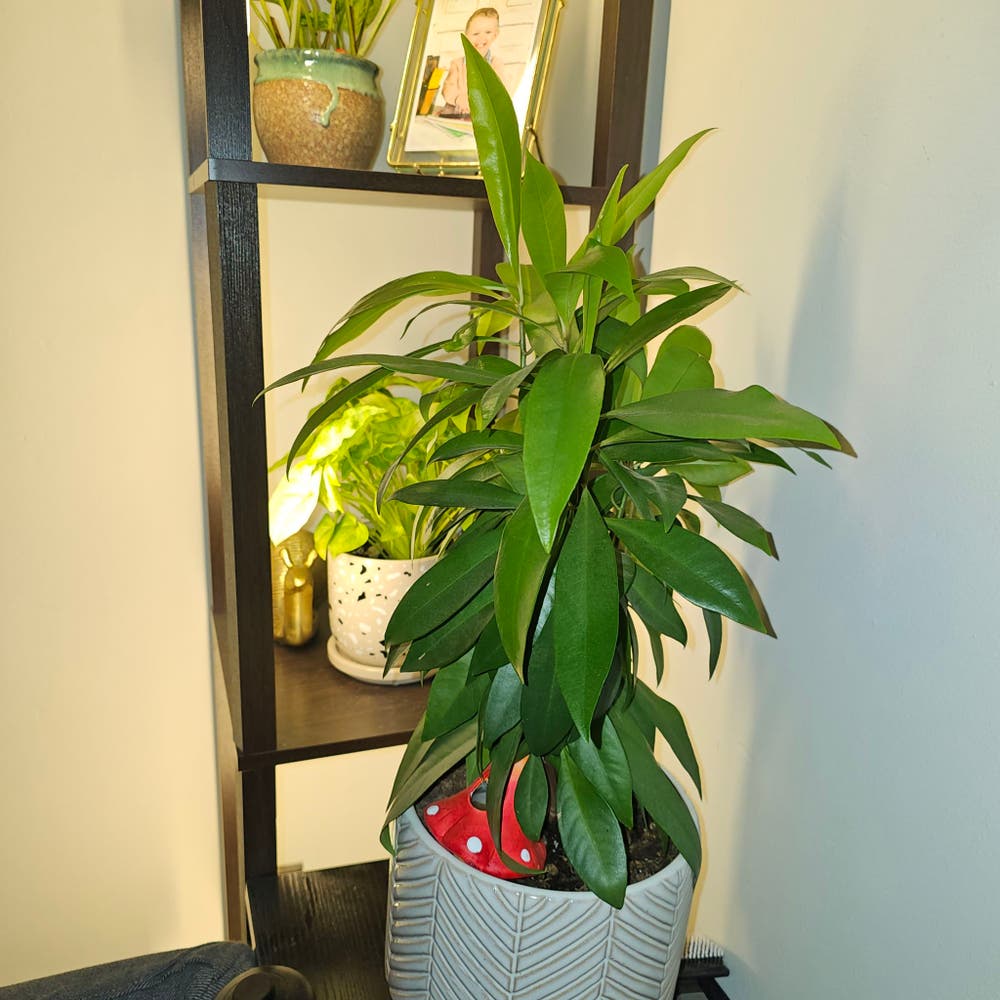
Step-by-Step Guide to Tachibana Growth 🍊
Ardisia tachibana
By the Greg Editorial Team
Nov 26, 2024•6 min read
This article was created with the help of AI so we can cover more plants for you. May contain errors. See one? Report it here.
Master Tachibana growth 🌳 to create a stunning garden with the right size and care techniques!
- 🌳 Tachibana can grow 10-20 feet tall, making them stunning landscape features.
- ☀️ Full sun and well-draining soil are essential for optimal growth.
- ✂️ Pruning helps manage size and promotes healthier, bushier plants.
Mature Height and Spread
Typical Mature Dimensions 🌳
Tachibana plants typically reach a mature height of 10 to 20 feet (3 to 6 meters) and spread out to about 8 to 15 feet (2.5 to 4.5 meters). This size makes them a striking addition to any landscape, providing both height and width.
Factors Influencing Size 📏
The size of Tachibana can vary significantly due to genetics and environmental conditions. For instance, plants grown in optimal conditions may reach the upper limits of their height and spread, while those in less favorable settings may fall short.
In different growing conditions, you might notice a marked difference in average sizes. Factors like soil quality, light exposure, and watering practices all play a crucial role in determining how tall and wide your Tachibana will grow.
Understanding these elements can help you create the perfect environment for your plants, ensuring they thrive and reach their full potential. As you plan your garden, keep these factors in mind to maximize the beauty and impact of your Tachibana.
With a solid grasp of mature dimensions and influencing factors, you're well on your way to cultivating a stunning landscape. Next, let's explore the growth rate and time it takes for your Tachibana to reach maturity.
Growth Rate and Time to Maturity
🌱 Average Growth Rate
The Tachibana tree boasts a moderate to fast growth rate, making it a popular choice for gardeners eager to see results. Typically, you can expect it to grow between 1 to 2 feet (30 to 60 cm) each year, depending on the conditions it’s planted in.
⏳ Time to Reach Full Size
Reaching its mature height takes some patience, usually between 5 to 10 years. Several factors influence this timeline, including soil quality, light exposure, and watering practices, all of which play a crucial role in the tree's development.
🔑 Key Factors Affecting Growth Rate
- Soil Quality: Fertile, well-draining soil is essential for optimal growth.
- Light Exposure: Full sun (6-8 hours daily) significantly boosts growth rates.
- Watering Practices: Consistent moisture is vital; both overwatering and underwatering can hinder growth.
Understanding these elements can help you create the ideal environment for your Tachibana, ensuring it thrives and reaches its full potential. With the right care, you’ll be rewarded with a stunning tree that enhances your landscape.
Next, let’s explore the size variability among different Tachibana varieties and how they can fit into your gardening plans.
Size Variability Among Different Varieties
🌱 Dwarf Varieties
Dwarf Tachibana varieties typically reach heights of 4 to 6 feet (1.2 to 1.8 meters). These compact plants are perfect for smaller gardens or container planting, allowing you to enjoy their beauty without overwhelming your space.
🌳 Giant Varieties
On the other hand, giant Tachibana varieties can exceed 20 feet (6 meters) in height. These impressive specimens are ideal for larger landscapes, providing significant visual impact and creating a stunning focal point in your garden.
📏 Comparison of Growth Habits
When comparing growth habits, dwarf and giant varieties exhibit notable differences. Dwarf varieties tend to have a bushier appearance, while giants often grow taller and more upright, requiring different maintenance approaches to keep them healthy and thriving.
Understanding these size variabilities helps you choose the right Tachibana for your gardening needs. Whether you opt for a dwarf or a giant variety, each has its unique charm and requirements, ensuring there's a perfect fit for every garden.
Next, we’ll explore how various growing conditions can influence the size of your Tachibana plants.
Influence of Growing Conditions on Size
🌱 Soil Type and Its Effect on Size
The type of soil you use plays a crucial role in the growth of your Tachibana. Well-draining, fertile soil is essential for promoting optimal growth, allowing roots to establish and absorb nutrients effectively.
In contrast, poor soil conditions can stunt growth and reduce the mature dimensions of your plants. If the soil lacks nutrients or drainage, you may find your Tachibana struggling to reach its full potential.
☀️ Light Requirements and Growth Impact
Light is another critical factor influencing the size of your Tachibana. Ideally, these plants thrive in full sun exposure, requiring about 6 to 8 hours of sunlight daily to enhance their growth rate and overall size.
When plants don’t receive enough light, they can become leggy and weak, leading to reduced dimensions and a less robust appearance. Ensuring your Tachibana gets ample sunlight will help it flourish.
💧 Watering Practices and Their Influence on Dimensions
Watering practices are vital for maintaining healthy growth in your Tachibana. Consistent moisture is crucial; it keeps the plant hydrated and supports its growth.
However, be cautious—overwatering or underwatering can negatively affect size and overall health. Striking the right balance in watering will help your Tachibana reach its desired dimensions and thrive in your garden.
Understanding these growing conditions will empower you to create the ideal environment for your Tachibana. Next, we’ll explore effective size control techniques to help you manage their growth.
Size Control Techniques
Controlling the size of your Tachibana is essential for maintaining its health and aesthetics. Here are some effective methods to manage its growth.
✂️ Pruning Methods for Size Management
Timing is crucial when it comes to pruning. The best period to prune your Tachibana is in late winter or early spring, just before new growth begins.
Selective Pruning
This technique involves carefully choosing which branches to cut. By shaping the plant, you can enhance its overall appearance and health.
Thinning Out Crowded Branches
Crowded branches can hinder air circulation, leading to potential health issues. Thinning these branches not only improves airflow but also allows more light to reach the inner parts of the plant.
Reducing Height
If your Tachibana is growing taller than desired, you can reduce its height by cutting back the top growth. This method helps maintain a more manageable size while promoting bushier growth.
🌱 Other Techniques to Control Growth
In addition to pruning, there are other effective strategies for size management.
Use of Growth Regulators
Growth regulators can be applied to help control the size of your Tachibana. These substances slow down growth, allowing for easier maintenance and a more compact plant.
Container Planting
Planting your Tachibana in a container is another excellent way to restrict its growth. This method limits root expansion, which in turn controls the overall size of the plant.
By implementing these size control techniques, you can ensure your Tachibana remains healthy and visually appealing. With the right care, your plant can thrive in any space, whether large or small.
As we explore further, let’s dive into how growing conditions can significantly influence the size of your Tachibana.
⚠️ Safety First
This content is for general information and may contain errors, omissions, or outdated details. It is not medical, veterinary advice, or an endorsement of therapeutic claims.
Always consult a qualified healthcare professional before using any plant as food, medicine, or supplement.
Never eat any plant (or feed one to pets) without confirming its identity with at least two trusted sources.
If you suspect poisoning, call Poison Control (800) 222-1222, the Pet Poison Helpline (800) 213-6680, or your local emergency service immediately.
Spotted an error? Please report it here.
Unlock the full potential of your Tachibana 🌳 with Greg's tailored watering reminders and expert growth tips, ensuring your stunning trees thrive beautifully in any garden!