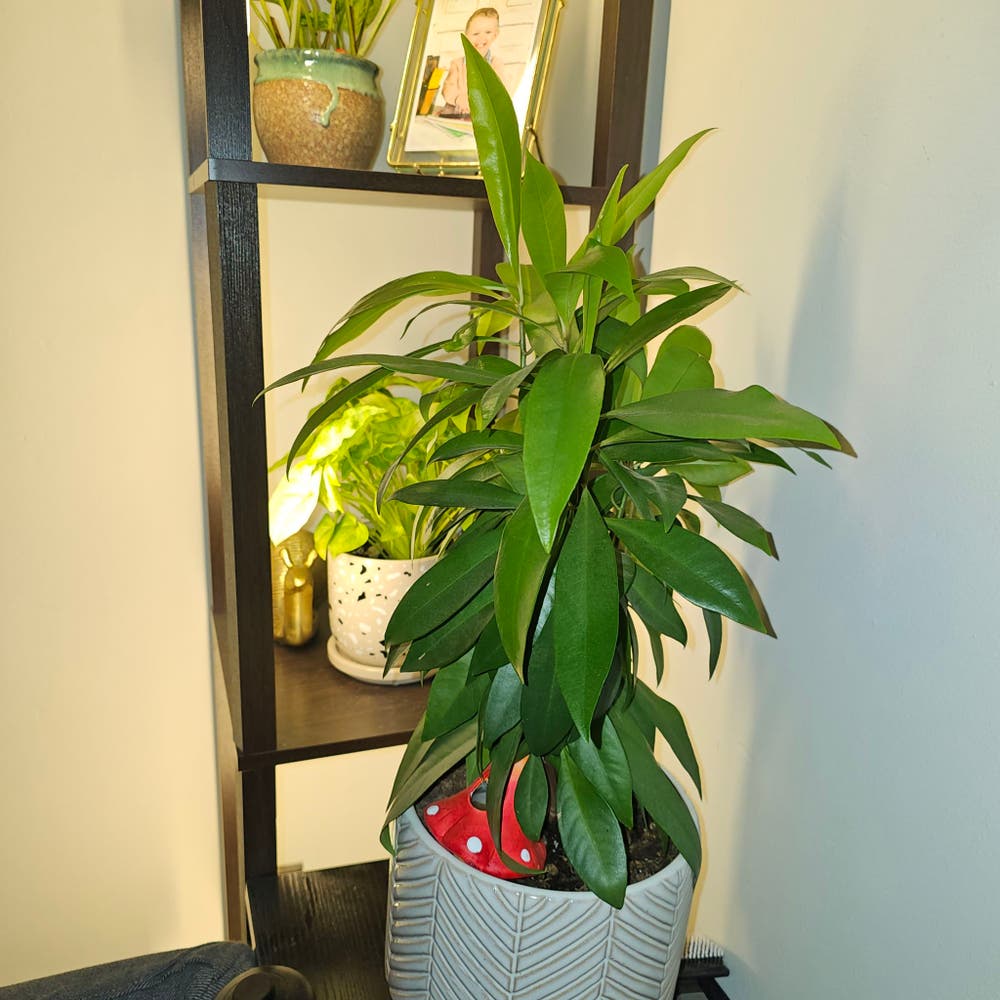
5 Tips for Healing Leaves Falling Over on Your Tachibana 🩹
Ardisia tachibana
By the Greg Editorial Team
Nov 26, 2024•4 min read
This article was created with the help of AI so we can cover more plants for you. May contain errors. See one? Report it here.
Revive your Tachibana and prevent leaf drop 🌱 with essential care tips for thriving, vibrant growth!
- 💧 Overwatering causes leaf drop; ensure soil dries before watering again.
- 🌞 Tachibana needs 6-8 hours of sunlight daily for optimal health.
- 🐛 Watch for pests like aphids; they can harm your Tachibana's leaves.
Causes of Leaf Drop
💧 Overwatering
Overwatering is a common culprit behind leaf drop in Tachibana plants. Excess moisture can lead to root rot, which ultimately causes the leaves to wilt and fall off.
🥦 Nutrient Deficiency
Another significant factor is nutrient deficiency. When your plant lacks essential nutrients, it becomes weak and more susceptible to dropping leaves.
🌪️ Environmental Stressors
Environmental stressors can also play a major role in leaf health. Temperature fluctuations, inadequate sunlight, and low humidity levels can all contribute to the decline of your Tachibana's leaves.
Understanding these causes is crucial for effective treatment. By addressing these issues, you can help your plant thrive and prevent further leaf drop.
Diagnosing the Problem
Identifying Environmental Stressors 🌞
To keep your Tachibana thriving, start by assessing its sunlight needs. It requires a minimum of 6-8 hours of direct sunlight daily to flourish.
Next, evaluate the temperature conditions. The ideal range is between 20°C to 30°C (68°F to 86°F), so avoid exposing your plant to extreme temperature fluctuations.
Recognizing Pest Infestations 🐜
Pests can be a significant threat to your plant's health. Common culprits include aphids and spider mites.
Look for signs of infestation, such as sticky residue on leaves, webbing, or visible insects. Catching these early can save your Tachibana from further distress.
Assessing Watering Practices 🚰
Watering practices are crucial for your plant's well-being. Ensure you use well-draining soil and maintain consistent moisture levels.
Be on the lookout for signs of overwatering, including soggy soil, root rot symptoms, and wilting leaves. Adjusting your watering habits can make a world of difference in your plant's recovery.
With a clear understanding of these diagnostic steps, you're well on your way to identifying the root cause of your Tachibana's leaf drop. Next, let’s explore effective treatment and recovery strategies to revive those drooping leaves.
Treatment and Recovery
Steps to Revive Drooping Leaves 🌱
Reviving your Tachibana starts with a thorough inspection of the root system. Look for signs of rot, and if you find any affected roots, remove them immediately to prevent further damage.
Next, adjust your watering schedule. Allow the top inch of soil to dry out before watering again, which helps maintain a healthy moisture balance.
Increasing Humidity 💧
Humidity plays a crucial role in leaf health. To alleviate stress, consider using a humidity tray or misting the leaves regularly.
Adjusting Watering Techniques 🚰
When it comes to watering frequency, aim to water when the topsoil feels dry, typically every 1-2 weeks. This practice helps prevent overwatering, which can lead to root rot.
Don't forget about drainage! Ensure that your pots have drainage holes to prevent water accumulation, which is essential for healthy root development.
Fertilization for Leaf Health 🍽️
Fertilization is key to keeping your Tachibana thriving. Use a balanced citrus fertilizer that includes micronutrients to support overall plant health.
Apply this fertilizer every 4-6 weeks during the growing season to give your plant the nutrients it needs to flourish.
By following these treatment and recovery steps, you can help your Tachibana bounce back from leaf drop. Next, let’s explore some preventative measures to keep your plant healthy in the long run.
Preventative Measures
Best Practices for Care 🌱
Regular monitoring is essential for keeping your Tachibana healthy. Check for signs of stress, pests, and nutrient deficiencies to catch issues early.
Proper pruning also plays a crucial role. Remove any dead or damaged leaves to encourage new growth and maintain the plant's vitality.
Seasonal Adjustments 🌦️
Adjusting care in winter is vital for your plant's survival. Reduce watering and protect your Tachibana from cold drafts to prevent stress.
In summer, increase your watering frequency and ensure your plant receives adequate sunlight. This will help it thrive during the warmer months.
By implementing these preventative measures, you can foster a healthier environment for your Tachibana. This proactive approach will not only enhance its growth but also minimize the risk of leaf drop.
⚠️ Safety First
This content is for general information and may contain errors, omissions, or outdated details. It is not medical, veterinary advice, or an endorsement of therapeutic claims.
Always consult a qualified healthcare professional before using any plant as food, medicine, or supplement.
Never eat any plant (or feed one to pets) without confirming its identity with at least two trusted sources.
If you suspect poisoning, call Poison Control (800) 222-1222, the Pet Poison Helpline (800) 213-6680, or your local emergency service immediately.
Spotted an error? Please report it here.
Keep your Tachibana thriving 🌱 by using Greg's tailored reminders and expert tips to master watering, pest control, and seasonal care for a vibrant, leaf-filled plant!