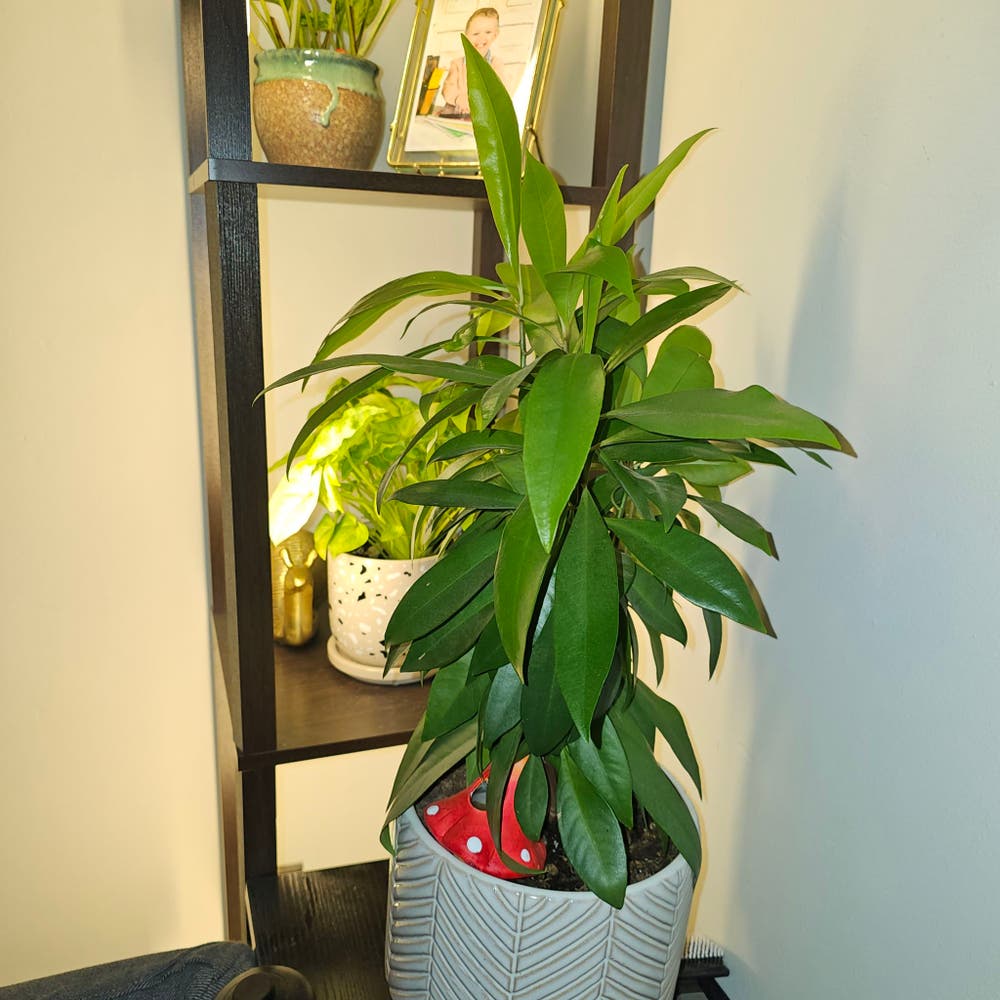
How to Fix Dropping Leaves on Your Tachibana 🍃
Ardisia tachibana
By the Greg Editorial Team
Nov 26, 2024•6 min read
This article was created with the help of AI so we can cover more plants for you. May contain errors. See one? Report it here.
Stop leaf drop in your Tachibana and unlock its full potential with these essential care tips! 🌿
- 💧 Overwatering and underwatering both cause leaf drop; balance is key!
- 🌱 Nutrient deficiencies lead to yellowing leaves; use balanced fertilizer regularly.
- 🐛 Pest infestations like aphids harm leaves; monitor and manage promptly.
Common Causes of Leaf Drop
💧 Overwatering
Overwatering is a common culprit behind leaf drop in your Tachibana. Excess moisture can lead to root rot, which compromises the plant's ability to absorb nutrients and water effectively.
🚰 Underwatering
On the flip side, underwatering can also cause stress, resulting in leaf drop. Insufficient moisture makes the plant struggle, leading to a decline in overall health.
🍃 Nutrient Deficiencies
A lack of essential nutrients can severely affect leaf vitality. When your Tachibana doesn't get the nutrients it needs, you may notice yellowing leaves and stunted growth.
🐜 Pest Infestations
Pest infestations are another significant threat to your plant's health. Insects like aphids and spider mites can damage leaves, leading to yellowing and eventual leaf drop if not addressed promptly.
Understanding these common causes is crucial for maintaining a healthy Tachibana. By identifying the issue early, you can take the necessary steps to restore your plant's vitality and prevent further leaf loss.
Diagnosing the Problem
🌊 Signs of Overwatering
Overwatering is a common issue that can lead to serious problems for your Tachibana. Look for yellowing leaves, which often signal that the plant is struggling due to excess moisture.
If you notice wilting despite wet soil, it’s a clear indication that the roots may be rotting. Additionally, check the soil condition; soggy or waterlogged soil texture is a telltale sign of overwatering.
💧 Signs of Underwatering
On the flip side, underwatering can also cause distress. Leaf curling is a primary symptom, where leaves curl inward or become crispy due to lack of moisture.
Dry soil is another indicator; if the soil pulls away from the pot edges, it’s time to reassess your watering routine. Leaf drop can occur as a stress response when the plant is not receiving enough water.
🥦 Identifying Nutrient Deficiencies
Nutrient deficiencies can significantly affect your Tachibana's health. One of the first signs is yellowing between the veins, which often indicates a nitrogen deficiency.
You may also notice leaf drop and general weakness due to a lack of essential nutrients. Stunted growth is another red flag, as it leads to slow growth and poor fruit production.
🐜 Recognizing Pest Infestations
Pest infestations can wreak havoc on your plant's vitality. Common pests include aphids, spider mites, and scale insects, which can damage leaves and overall health.
Look for signs of infestation such as sticky residue, webbing, or visible insects on leaves. Assess the damage by observing yellowing leaves, leaf drop, and an overall decline in health.
Understanding these signs is crucial for maintaining the health of your Tachibana. By diagnosing the problem early, you can take the necessary steps to restore your plant's vitality and prevent further issues.
Solutions and Treatments
🌊 Adjusting Watering Practices
Proper watering is crucial for your Tachibana's health.
- Assess soil moisture: Use a moisture meter or simply stick your finger into the soil to check its dampness.
- Watering frequency: Water your plant when the top inch of soil feels dry to the touch.
- Drainage solutions: Ensure your pots have drainage holes to prevent waterlogging, which can lead to root rot.
🌱 Fertilization Techniques
Fertilizing your Tachibana can significantly enhance its growth and vitality.
- Type of fertilizer: Opt for a balanced citrus fertilizer that includes essential micronutrients.
- Application frequency: Fertilize every 4-6 weeks during the growing season for optimal results.
- Signs of improvement: Keep an eye out for new growth and healthier leaves as indicators of successful fertilization.
🐞 Pest Management Strategies
Pest infestations can wreak havoc on your Tachibana, but you can manage them effectively.
- Identification: Regularly inspect the leaves for any signs of pests.
- Control methods: Use insecticidal soap or neem oil to treat any infestations you find.
- Prevention: Consider introducing beneficial insects like ladybugs to keep pest populations in check.
By implementing these solutions, you can address the common issues that lead to leaf drop and promote a thriving Tachibana. Next, let’s explore some preventative measures to keep your plant healthy in the long run.
Preventative Measures
Best Practices for Indoor Care 🌱
To keep your Tachibana thriving indoors, start with optimal light conditions. Place your plant in bright, indirect sunlight to ensure it receives the energy it needs without the risk of scorching its leaves.
Next, establish a regular watering schedule. Consistency is key; check the soil moisture regularly and water when the top inch feels dry to the touch.
Humidity control is also crucial for indoor care. Consider using a humidifier or a pebble tray filled with water to maintain the humidity levels that your Tachibana craves.
Seasonal Adjustments for Outdoor Care ☀️
When it comes to outdoor care, winter protection is essential. If temperatures drop, bring your Tachibana indoors to shield it from the cold.
In the summer, ensure your plant receives adequate watering. Hot weather can quickly dry out the soil, so keep an eye on moisture levels to prevent stress.
Lastly, make fertilization adjustments based on seasonal growth patterns. During the growing season, your Tachibana will benefit from regular feeding, while in the dormant months, you can reduce or pause fertilization altogether.
By following these preventative measures, you can help your Tachibana maintain its health and vibrancy throughout the year. This proactive approach sets the stage for long-term care, ensuring your plant remains a beautiful addition to your home or garden.
Long-term Care for Healthy Leaves
🌱 Regular Maintenance Routines
Maintaining a consistent watering schedule is crucial for your Tachibana's health. Regular checks and adjustments based on the plant's needs will help prevent both overwatering and underwatering.
Fertilization is equally important. Feed your plant regularly to support its growth and overall vitality, ensuring it has the nutrients it needs to thrive.
🪴 Importance of Proper Potting and Soil
Choosing the right soil type is essential. Use a well-draining potting mix specifically designed for citrus plants to promote healthy root development.
Repotting your Tachibana every 1-2 years refreshes the soil and encourages growth. Additionally, ensure the pot size is appropriate to prevent root crowding, which can hinder the plant's health.
✂️ Pruning Techniques to Promote Growth
Timing your pruning is key. Aim to prune during the growing season for the best results, allowing your plant to recover and flourish.
When pruning, focus on removing dead or yellowing leaves and shaping the plant for better light exposure. This not only encourages new growth but also improves air circulation, keeping your Tachibana healthy.
By implementing these long-term care strategies, you can ensure your Tachibana remains vibrant and lush. Next, let's explore some preventative measures to keep your plant thriving year-round.
⚠️ Safety First
This content is for general information and may contain errors, omissions, or outdated details. It is not medical, veterinary advice, or an endorsement of therapeutic claims.
Always consult a qualified healthcare professional before using any plant as food, medicine, or supplement.
Never eat any plant (or feed one to pets) without confirming its identity with at least two trusted sources.
If you suspect poisoning, call Poison Control (800) 222-1222, the Pet Poison Helpline (800) 213-6680, or your local emergency service immediately.
Spotted an error? Please report it here.
Keep your Tachibana thriving 🌿 by using Greg's personalized care reminders and moisture tracking to prevent leaf drop and ensure vibrant growth!