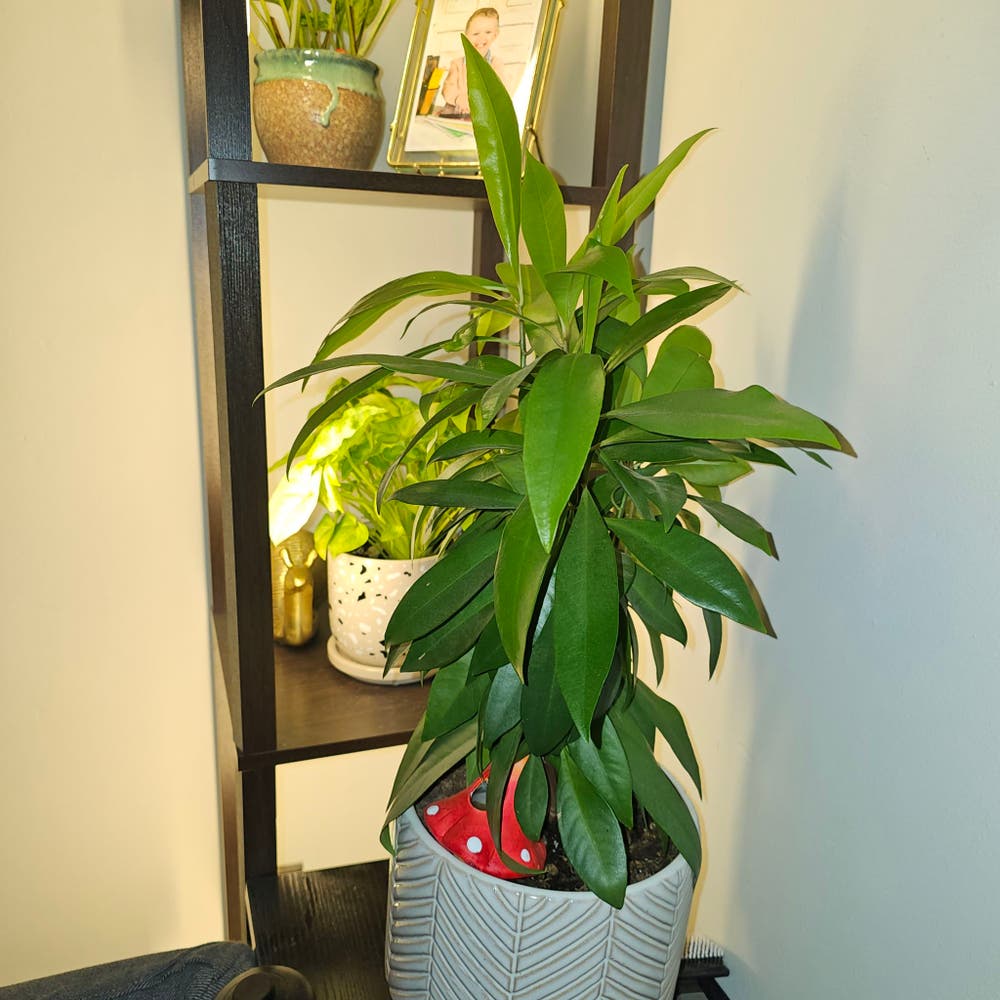
Top 5 Pot Options to Make Your Tachibana Thrive 🪴
Ardisia tachibana
By the Greg Editorial Team
Nov 26, 2024•6 min read
This article was created with the help of AI so we can cover more plants for you. May contain errors. See one? Report it here.
Maximize your Tachibana's growth 🌱 by choosing the right pot size and material for thriving health!
- 🌱 Start seedlings in 4-6 inch pots for healthy root establishment.
- 🏺 Choose breathable materials like clay or fabric for optimal moisture regulation.
- 🔄 Repot every 1-2 years to prevent stunting and promote growth.
Pot Size Recommendations
Recommended Sizes for Seedlings 🌱
When starting your Tachibana from seeds, choose an initial pot size of 4-6 inches. This size provides enough room for young roots to establish while preventing excess moisture retention.
As your seedlings grow, it’s crucial to transition them to larger pots. This gradual increase allows for healthy root development and prevents stunting.
Recommended Sizes for Mature Plants 🌳
For mature Tachibana plants, an ideal pot size ranges from 12-14 inches or larger. Selecting a pot that accommodates root growth is essential for the overall health of your plant.
A larger pot not only supports the roots but also helps maintain moisture levels, ensuring your plant thrives.
Adjusting Pot Size as Tachibana Grows 📏
Monitoring your Tachibana's growth is key to determining when to repot. Look for signs such as roots peeking out of the drainage holes or soil drying out too quickly.
Gradual size increases are important to avoid shocking your plant. A careful approach ensures that your Tachibana continues to flourish as it grows.
With the right pot size, your Tachibana will have the space it needs to thrive, setting the stage for the next important consideration: ideal materials for pots.
Ideal Materials for Pots
🌱 Clay Pots
Clay pots are a classic choice for many plant enthusiasts. Their breathability allows for better airflow to the roots, which is crucial for healthy growth.
Additionally, clay pots excel at moisture regulation, helping to prevent overwatering. However, they come with some drawbacks; their weight can make them cumbersome to move around, especially when filled with soil.
Moreover, the porosity of clay means these pots may dry out faster than other materials, requiring more frequent watering.
🪴 Plastic Pots
Plastic pots are a popular alternative due to their lightweight nature. They are easy to handle and can retain moisture longer than clay pots, making them a practical choice for busy gardeners.
On the downside, plastic pots are less breathable, which can lead to root rot if drainage is not properly managed. They can also overheat in direct sunlight, potentially harming your Tachibana.
🎨 Other Materials
Ceramic pots offer aesthetic appeal, adding a decorative touch to your plant display. However, they can be heavy and less breathable than other options, which may affect root health.
Fabric pots are gaining popularity for their excellent drainage and aeration properties. They promote healthy root growth and are ideal for those looking to optimize their Tachibana's environment.
Choosing the right pot material is essential for your plant's health. Each option has its pros and cons, so consider your specific needs and conditions before making a decision.
As you explore potting options, remember that the right material can significantly impact your Tachibana's growth and vitality. Next, let's dive into the crucial topic of drainage considerations to ensure your plant thrives.
Drainage Considerations
Importance of Drainage 🌊
Proper drainage is crucial for your Tachibana's health. Excess water can accumulate in the pot, leading to root rot, which can quickly kill your plant.
To prevent this, ensure your pots have at least 3-5 drainage holes. This allows excess water to escape, keeping the roots healthy and happy.
Recommended Drainage Solutions 🪨
One effective solution is to add a layer of gravel or stones at the bottom of the pot. This enhances drainage and prevents soil from clogging the holes, ensuring that water flows freely.
Additionally, consider using potting mixes specifically designed for citrus plants. These mixes provide the right balance of drainage and aeration, promoting robust root growth.
By prioritizing drainage, you set your Tachibana up for success. With the right potting practices, your plant will thrive and flourish in its environment.
Next, let’s explore the best practices for repotting your Tachibana to ensure it continues to grow strong and healthy.
Repotting Tachibana
🕒 When to Repot
Repotting your Tachibana is essential for its health and growth. Generally, young plants need repotting every 1-2 years, while mature plants can wait 2-3 years.
Timing is also crucial. The best time to repot is early spring, just before the new growth starts. This ensures your plant is ready to thrive in its new environment.
👀 Signs That Indicate the Need for Repotting
Keep an eye on your plant for signs that it’s time to repot. If you notice roots growing out of the drainage holes, it’s a clear indication that your Tachibana has outgrown its pot.
Another sign is if the soil dries out too quickly. This suggests that the pot is too small to retain adequate moisture for your plant's needs.
📋 Step-by-Step Guide to Repotting
Repotting may seem daunting, but it’s straightforward. Follow these steps for a successful transition:
Prepare the new pot: Ensure it has adequate drainage holes and fill it with fresh potting mix.
Remove the Tachibana from its current pot: Gently loosen the soil around the edges and support the base of the plant to avoid damage.
Inspect the roots: Trim any damaged or rotting roots and loosen any tightly bound roots.
Place the plant in the new pot: Center it and fill in with potting mix, then water thoroughly to settle the soil.
By following these steps, you’ll give your Tachibana the space it needs to flourish. With proper care and attention, your plant will thrive in its new home, setting the stage for vibrant growth ahead.
Next, let’s explore some common potting mistakes to avoid, ensuring your Tachibana continues to thrive.
Common Potting Mistakes
🌱 Overpotting vs. Underpotting
Overpotting can be a sneaky mistake. When you use a pot that's too large, excess soil can retain too much moisture, leading to root rot and yellowing leaves.
On the flip side, underpotting is equally problematic. A pot that's too small can stunt growth and cause root binding, with roots often growing out of drainage holes as a clear sign of distress.
🏺 Choosing the Wrong Material
Selecting the right pot material is crucial for your Tachibana's health. Non-breathable materials can trap moisture, increasing the risk of root rot and stunted growth.
Always consider the specific needs of your plant. Choosing breathable materials ensures your Tachibana thrives and avoids unnecessary complications.
🚫 Ignoring Drainage Needs
Ignoring drainage can lead to significant issues. Many potting mistakes stem from selecting pots without adequate drainage holes, which can suffocate roots.
Additionally, the pot size impacts drainage efficiency. Regularly check drainage holes and adjust your potting practices to ensure your plant receives the care it deserves.
In summary, avoiding these common potting mistakes will help your Tachibana flourish. Next, let’s explore the best practices for repotting your plant to keep it healthy and thriving.
⚠️ Safety First
This content is for general information and may contain errors, omissions, or outdated details. It is not medical, veterinary advice, or an endorsement of therapeutic claims.
Always consult a qualified healthcare professional before using any plant as food, medicine, or supplement.
Never eat any plant (or feed one to pets) without confirming its identity with at least two trusted sources.
If you suspect poisoning, call Poison Control (800) 222-1222, the Pet Poison Helpline (800) 213-6680, or your local emergency service immediately.
Spotted an error? Please report it here.
Give your Tachibana the best chance to thrive 🌿 by using Greg's tailored potting reminders and care tips to create the perfect home for your plant!