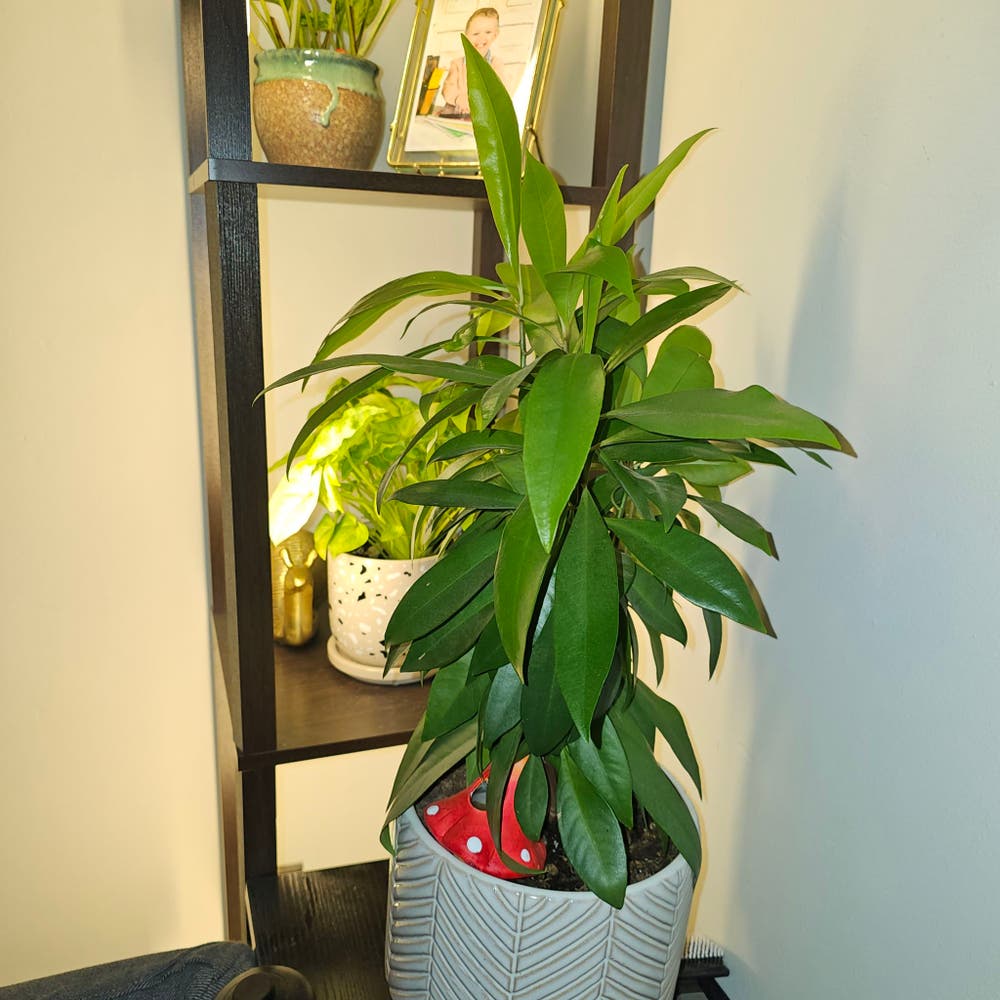
Best Soil for Tachibana 🌍
Ardisia tachibana
By the Greg Editorial Team
Nov 26, 2024•5 min read
This article was created with the help of AI so we can cover more plants for you. May contain errors. See one? Report it here.
Master soil pH and nutrients 🌱 to unlock vibrant growth and health for your Tachibana plants! 🌿
- 🌱 Optimal soil pH for Tachibana is 5.5 to 6.5 for healthy growth.
- 🧪 Regular soil testing ensures nutrient balance and prevents deficiencies.
- 🍂 Signs of unhealthy soil include mold and compaction; address these promptly.
Soil pH and Nutrient Needs
🌱 Ideal pH Range
For optimal growth, Tachibana thrives in a soil pH range of 5.5 to 6.5. This specific range ensures that essential nutrients are readily available to the plant.
⚖️ Effects of pH on Nutrient Availability
Soil pH significantly impacts nutrient uptake. Acidic soils, with a pH below 5.5, can lead to deficiencies in crucial nutrients like nitrogen and phosphorus, which are vital for healthy plant development.
On the other hand, alkaline soils, with a pH above 6.5, can hinder the absorption of iron and manganese. This imbalance can result in poor growth and overall plant health.
Understanding these pH dynamics is crucial for maintaining a thriving Tachibana. Regular soil testing can help you monitor and adjust pH levels as needed, ensuring your plant receives the nutrients it craves.
With the right pH in place, you can set the stage for vibrant growth and bountiful fruit production. Next, let’s explore how to identify and resolve unhealthy soil conditions that may affect your Tachibana.
Identifying and Resolving Unhealthy Soil
Signs of Unhealthy Soil 🌱
Recognizing unhealthy soil is crucial for the health of your Tachibana. Moldy soil, characterized by white or gray mold on the surface, often indicates overwatering or poor drainage.
Compaction is another red flag. When the soil becomes hard and dense, it restricts root growth and water penetration, making it difficult for your plant to thrive.
Common Soil Problems Affecting Tachibana ⚠️
Two prevalent issues can plague your Tachibana: root rot and nutrient deficiencies. Root rot occurs in overly wet conditions, leading to brown and mushy roots that can jeopardize your plant's health.
Nutrient deficiencies manifest through yellowing leaves or poor fruit development, signaling a lack of essential nutrients that your Tachibana needs to flourish.
How to Recognize Nutrient Deficiencies 🔍
Visual symptoms are key to identifying nutrient deficiencies. For instance, nitrogen deficiency typically shows as yellowing of older leaves, while magnesium deficiency presents as interveinal chlorosis, where the area between leaf veins turns yellow.
Solutions for Moldy Soil 🧼
If you encounter moldy soil, act quickly. Start by removing the affected top layer and allowing the soil to dry out to prevent further mold growth.
Improving air circulation around the plant can also help. If mold persists, consider using a fungicide to tackle the issue effectively.
How to Amend Compacted Soil 🛠️
To address compacted soil, incorporate organic matter, such as compost, to enhance texture and drainage.
Using a garden fork to gently aerate the soil can also make a significant difference, allowing roots to breathe and water to penetrate more easily.
By identifying and resolving these soil issues, you can ensure your Tachibana remains healthy and vibrant. Next, let’s explore how to create a homemade soil mix tailored specifically for your plant’s needs.
Creating a Homemade Soil Mix
🌱 Step-by-Step Guide to Making a Soil Mix for Tachibana
Creating the perfect soil mix for your Tachibana is straightforward and rewarding. Start by gathering your materials: peat moss, perlite, compost, and coarse sand.
Next, mix these ingredients in a large container. It's crucial to ensure an even distribution of components for consistency throughout the mix.
🥗 Recommended Ingredients
Each ingredient plays a vital role in the health of your Tachibana.
- Peat moss: This component retains moisture while allowing for proper drainage, essential for healthy root growth.
- Perlite: It enhances aeration and drainage, preventing soil compaction.
- Compost: A powerhouse of nutrients, compost provides essential elements for robust growth.
⚖️ Proportions for an Ideal Mix
Getting the right proportions is key to a successful soil mix. Here’s a simple breakdown:
- 40% peat moss: For moisture retention.
- 30% perlite: To improve aeration.
- 20% compost: For nutrient supply.
- 10% coarse sand: To boost drainage further.
By following these guidelines, you’ll create a homemade soil mix that supports your Tachibana's growth and vitality.
With your soil mix ready, you can now focus on maintaining its health and ensuring your plant thrives.
Soil Maintenance and Care
🌱 Best Practices for Maintaining Soil Health
Maintaining healthy soil is crucial for the thriving growth of Tachibana. Regularly check moisture levels to avoid the pitfalls of overwatering, which can lead to root rot and other issues.
Adding organic fertilizers during the growing season is essential to replenish nutrients. This practice ensures your plants receive the necessary elements for robust growth and fruit production.
🔄 When to Repot and Refresh Soil
Knowing when to repot your Tachibana can make a significant difference in its health. Look for signs that repotting is needed, such as roots growing out of drainage holes or soil that appears depleted and compacted.
As a general rule, consider repotting every 1-2 years or as needed. This will help maintain soil structure and nutrient availability, keeping your plant happy and healthy.
🌦️ Seasonal Considerations for Soil Care
Understanding seasonal changes is key to effective soil care. In spring, focus on repotting and refreshing soil to prepare for the growing season ahead.
During summer, keep a close eye on moisture levels and nutrient needs. As fall approaches, prepare your soil for winter dormancy by reducing watering, allowing your Tachibana to rest and rejuvenate.
By following these practices, you can ensure your Tachibana thrives throughout the year. Next, let’s explore how to create a homemade soil mix tailored specifically for this unique plant.
⚠️ Safety First
This content is for general information and may contain errors, omissions, or outdated details. It is not medical, veterinary advice, or an endorsement of therapeutic claims.
Always consult a qualified healthcare professional before using any plant as food, medicine, or supplement.
Never eat any plant (or feed one to pets) without confirming its identity with at least two trusted sources.
If you suspect poisoning, call Poison Control (800) 222-1222, the Pet Poison Helpline (800) 213-6680, or your local emergency service immediately.
Spotted an error? Please report it here.
Cultivating a thriving Tachibana 🌿 is easy with Greg's tailored soil care reminders and pH monitoring tips to keep your plant in its ideal environment!