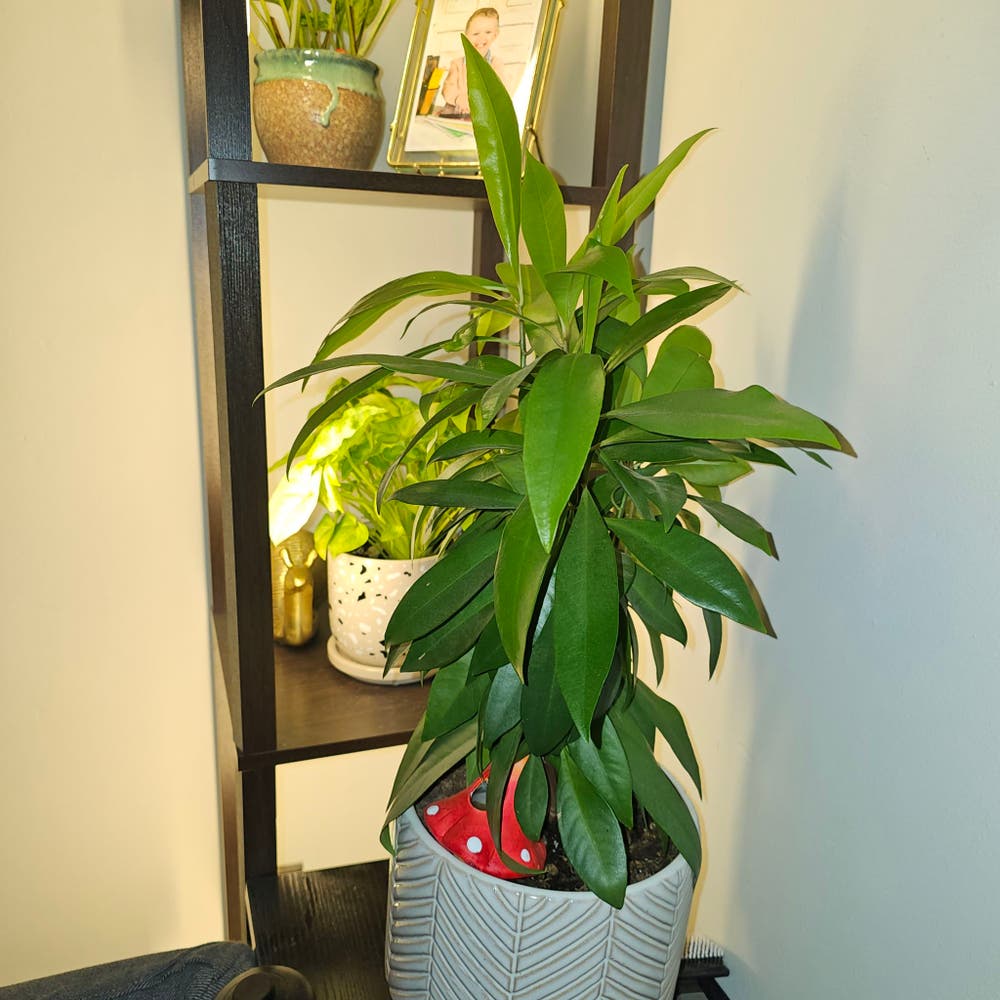
10 Essential Outdoor Tachibana Care Routines 🍊
Ardisia tachibana
By the Greg Editorial Team
Nov 26, 2024•6 min read
This article was created with the help of AI so we can cover more plants for you. May contain errors. See one? Report it here.
Transform your Tachibana into a thriving garden star 🌟 with essential sunlight and watering tips for year-round success! 🌱
- ☀️ Tachibana needs 6-8 hours of sunlight daily for optimal growth and fruiting.
- 💧 Water weekly using deep techniques to encourage strong root development.
- 🌱 Use well-draining soil and mulch to prevent root rot and retain moisture.
Sunlight and Watering Needs
Optimal Sunlight Exposure 🌞
Tachibana plants thrive in full sun, requiring 6 to 8 hours of sunlight daily. Insufficient sunlight can lead to stunted growth and reduced fruit production, so it's crucial to monitor their exposure.
In extremely hot climates, consider providing some shade to protect the plants from scorching. This adjustment helps maintain their health while still allowing them to benefit from sunlight.
Watering Frequency and Techniques 🚰
Maintaining consistent moisture is vital for Tachibana care, but avoid waterlogging the soil. A recommended watering schedule is once a week during the growing season to keep the plants hydrated.
To encourage deep root growth, employ deep watering techniques. Additionally, using mulch can help retain soil moisture, ensuring your Tachibana stays healthy and vibrant throughout the season.
With proper sunlight and watering practices, your Tachibana will flourish, setting the stage for the next essential care routines.
Soil and Fertilization Preferences
🌱 Ideal Soil Composition
For optimal Tachibana growth, aim for well-draining sandy loam or loamy soil. This type of soil not only supports healthy root development but also prevents waterlogging, which can lead to root rot.
Maintaining a slightly acidic to neutral soil pH, ideally between 6.0 and 7.0, is crucial. This pH range ensures that essential nutrients are readily available for your plants, promoting vigorous growth and fruit production.
🧪 Recommended Fertilizers and Application Methods
When it comes to fertilization, balanced NPK fertilizers, such as 10-10-10 or 14-14-14, are highly recommended. These fertilizers provide a well-rounded nutrient profile that supports overall plant health.
To keep your Tachibana thriving, fertilize every 4-6 weeks during the growing season. You can choose between granular and liquid fertilizers; both have their merits, but granular options often provide a slow-release effect, while liquids can deliver nutrients more quickly.
Understanding these soil and fertilization preferences will set you on the right path for nurturing your Tachibana. With the right conditions, your plants will flourish, leading to a bountiful harvest.
Next, let’s explore the various planting options available, including the benefits and drawbacks of container versus ground planting.
Planting Options: Container vs. Ground
🌱 Benefits and Drawbacks of Container Planting
Container planting offers remarkable flexibility. You can easily move your Tachibana to capture optimal sunlight, ensuring it thrives.
Managing soil conditions and pests is simpler in containers. However, the limited root space can lead to stunted growth, making it crucial to monitor your plant's health closely.
Additionally, containers dry out faster, necessitating more frequent watering. This can be a challenge, especially during hot summer months.
🌍 Benefits and Drawbacks of Ground Planting
Ground planting provides significant advantages for your Tachibana. With greater root space, your plant can establish a robust system for healthy growth.
Soil in the ground typically retains moisture better than containers. This can reduce the frequency of watering, which is a plus for busy gardeners.
However, ground planting comes with its own set of challenges. You have less control over soil conditions and drainage, which can impact plant health.
Moreover, outdoor pests and diseases pose a greater threat to ground-planted Tachibana. Vigilance is key to ensuring your plants remain healthy and productive.
In summary, both planting options have their pros and cons. Consider your gardening style and environment to choose the best method for your Tachibana care.
Next, we’ll explore how to protect your plants from weather extremes and pests.
Protection from Weather and Pests
🌧️ Strategies for Weather Protection
Protecting your Tachibana from extreme weather is crucial for its health. For frost protection, consider using frost cloths or blankets to cover your plants during chilly nights.
Mulching is another effective technique. It insulates the roots, helping to maintain a stable temperature in the soil.
During periods of extreme heat, providing shade is essential. You can create temporary shade structures or use companion planting to shield your Tachibana from harsh sunlight.
🐛 Common Outdoor Pests
Outdoor pests can pose a significant threat to your Tachibana. Common culprits include aphids, scale insects, and citrus leaf miners.
Watch for signs of infestation, such as yellowing leaves and stunted growth. These indicators can help you catch problems early.
To control these pests, consider using organic pesticides or insecticidal soap. Beneficial insects, like ladybugs, can also help keep pest populations in check.
🦠 Disease Prevention and Management
Tachibana plants are susceptible to certain diseases, with root rot and citrus greening disease being the most common.
Preventing these issues starts with proper watering techniques and effective soil management. Ensuring your plants are not overwatered is key to avoiding root rot.
If your plants do become infected, treatment options include fungicides and the removal of any infected plants. Staying vigilant can help you maintain a healthy garden.
With these strategies in place, your Tachibana will be better equipped to thrive against the elements and pests. Next, let's explore seasonal care and climate considerations to further enhance your gardening success.
Seasonal Care and Climate Considerations
🌱 Seasonal Changes and Their Impact on Care
As the seasons change, so should your care routines for Tachibana.
- Spring is the time for fertilization and encouraging new growth.
- In Summer, increase your watering and keep a close eye on pests.
- Fall is all about preparing for winter and pruning back your plants.
- During Winter, focus on protecting your plants from frost and reduce watering to prevent root rot.
🌍 Special Considerations for Different Climate Zones
Different climate zones require tailored care strategies for your Tachibana.
- In subtropical climates, ensure you have frost protection techniques ready for those unexpected cold snaps.
- For temperate regions, focus on heat management to keep your plants thriving during the hotter months.
✂️ Pruning and Maintenance Throughout the Year
Regular pruning is essential for maintaining healthy Tachibana growth.
- Use techniques that shape the plant and remove any dead wood to promote better air circulation.
- Timing is crucial; each season has its best practices for pruning.
In addition to pruning, don’t forget about maintenance tasks like weeding, mulching, and monitoring your plant's health. These small actions can make a big difference in the overall vitality of your Tachibana.
With these seasonal care tips, you’ll be well-equipped to nurture your Tachibana through the year. Next, let’s explore effective strategies for protecting your plants from weather extremes and pests.
⚠️ Safety First
This content is for general information and may contain errors, omissions, or outdated details. It is not medical, veterinary advice, or an endorsement of therapeutic claims.
Always consult a qualified healthcare professional before using any plant as food, medicine, or supplement.
Never eat any plant (or feed one to pets) without confirming its identity with at least two trusted sources.
If you suspect poisoning, call Poison Control (800) 222-1222, the Pet Poison Helpline (800) 213-6680, or your local emergency service immediately.
Spotted an error? Please report it here.
Keep your Tachibana thriving and fruitful 🍊 by using Greg's tailored watering reminders and pest management tips to ensure your plants flourish all year round!