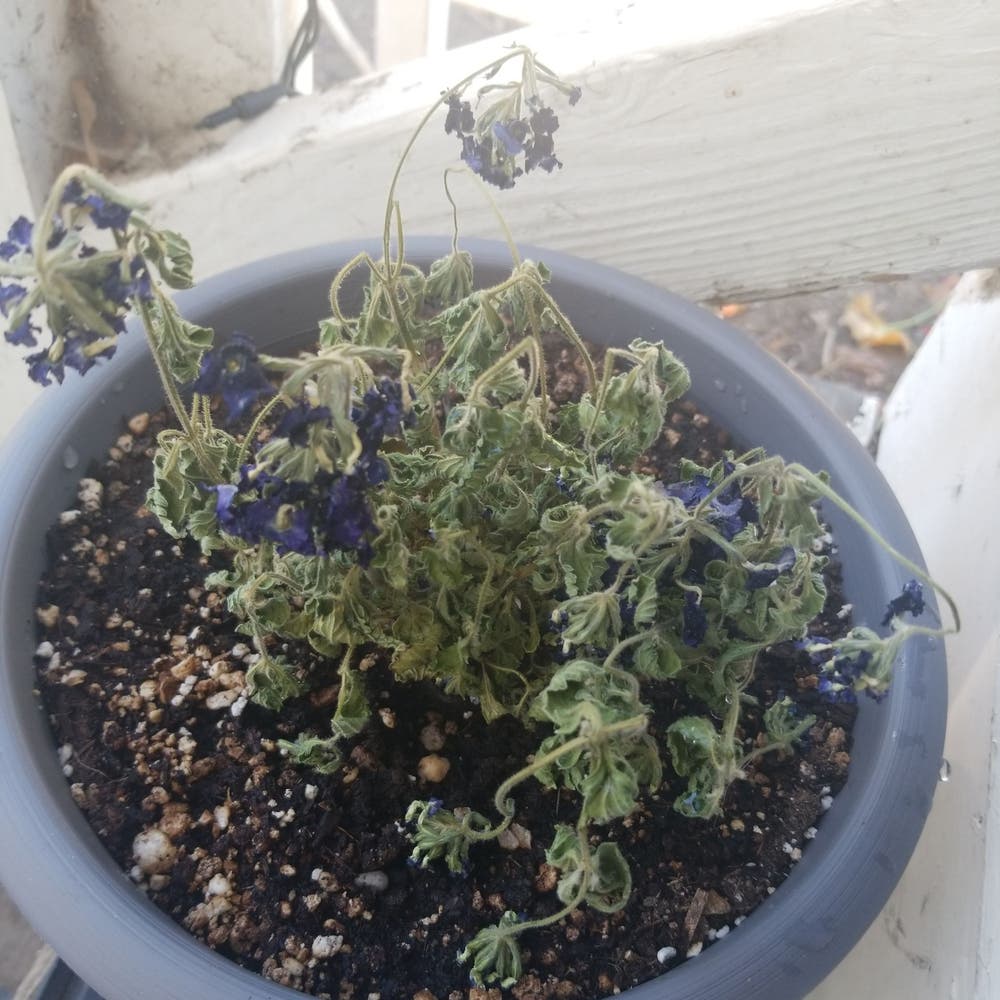
Why Are My Rose Vervain Leaves Dropping? 🍂
Verbena canadensis
By the Greg Editorial Team
Feb 04, 2024•5 min read
This article was created with the help of AI so we can cover more plants for you. May contain errors. See one? Report it here.
Prevent the heartbreak of leaf drop 🍂 and ensure your Rose Vervain flourishes with these essential care tips.
- Check soil moisture to address Rose Vervain leaf drop.
- Balance watering and temperature for plant health.
- Regular inspections prevent pests and diseases.
Spot the Signs: When Your Rose Vervain is Unhappy
🚨 Visual Clues of Distress
Wilting leaves on Rose Vervain scream for attention, much like a flashing "Check Engine" light. Yellowing or browning leaves are the plant's way of waving a red flag. If leaves are falling off with a gentle touch, it's a clear sign that your plant is in distress.
Immediate Response
When you spot leaf drop, spring into action. Check the soil moisture first; it's often the culprit. If it's dry, water your plant thoroughly but carefully. If it's soggy, hold off on watering and consider drainage improvements. Remember, quick intervention can turn the tide for your Rose Vervain.
Troubleshooting the Drop: Common Culprits
💧 Too Much Love: Overwatering Woes
Yellow leaves that feel mushy? That's your Rose Vervain crying out from too much H2O. Root rot is the grim reaper here, with fungi and bacteria throwing a decomposing party at your plant's expense. To save your waterlogged Vervain, cut back on the aqua-love and ensure your potting mix is well-draining. If the roots are already singing swan songs, it might be time for a soil transplant.
🏜️ Thirsty Roots: The Perils of Underwatering
Crispy, dry leaves are the SOS signals of an underwatered Rose Vervain. The plant's thirst can lead to a droopy, sad state. Moisture balance is key. Check the soil an inch down—if it's Sahara-like, it's time to water. But don't turn your plant into a swimming pool; aim for damp, not drenched.
🌞 Feeling the Heat: Environmental Stress Factors
Rose Vervain isn't a fan of the sauna treatment. Too much heat can turn leaves into crispy critters, while not enough light leaves them reaching for the sun like a zombie. Temperature control is crucial. Keep your plant in a spot where it feels like spring all year round, and shield it from the wrath of direct midday sun.
🐜 Unwanted Guests: Pest and Disease Battles
Pests and diseases are like uninvited party crashers. Look out for webbing, holes, or a general look of leafy despair. These are telltale signs that your plant is under siege. Act fast with organic pest control or a good ol' neem oil treatment. And if you spot the funk of fungal disease, it's time to prune and treat with a fungicide. Remember, vigilance is your best defense.
The Recovery Plan: Getting Your Rose Vervain Back on Track
💧 Fine-Tuning Watering Techniques
Consistency is key. Start by allowing the soil to dry out between waterings. Check the top inch; if it's dry, it's time to water. Use a gentle pour, ensuring the water reaches the roots without overwhelming them. Over time, you'll develop a rhythm that suits your plant's needs, much like a well-tuned instrument.
🌿 Creating a Stress-Free Zone
Your Rose Vervain craves stability. Light and temperature should be as consistent as possible. Avoid placing your plant near heat sources or drafty windows. Aim for a spot with bright, indirect sunlight. If you're dealing with an outdoor plant, ensure it's in a location that mimics its natural habitat—this isn't a Vegas show; it's real life, and your plant doesn't need dramatic lighting changes.
🐜 Keeping Pests and Diseases at Bay
Prevention beats cure. Regularly inspect your Rose Vervain for signs of pests or disease. If you spot trouble, isolate your plant to prevent a house-wide epidemic. Treat infestations with appropriate remedies, such as insecticidal soap for pests or fungicides for fungal issues. Remember, your plant's health is a testament to your vigilance—don't let your guard down.
Ongoing Vigilance: Preventing Future Leaf Drop
🕵️ Routine Checks and Balances
Like a plant detective, inspect the leaves, stems, and soil. Flip the script on potential issues by catching them early.
🛡️ Monitoring Your Plant's Health
To keep your Rose Vervain thriving, regular monitoring is non-negotiable.
Proactive Steps to Avoid Repeat Incidents
Consistency is key. Establish a care routine that's as reliable as your morning coffee. Adjust watering with the seasons—less in winter, more in summer. Keep the soil's top inch in check; dry means it's time to water.
Keeping Pests and Diseases at Bay
👀 Visual Vigilance
Early detection of pests or diseases is like catching a typo before hitting send—crucial.
🏡 Environmental Control
Stabilize your plant's environment. Avoid placing your Rose Vervain in the line of direct, scorching sunlight or in the path of harsh drafts. Think of it as creating a microclimate utopia.
Soil and Fertilizer Checks
🌱 The Foundation of Health
Ensure the soil is well-draining and nutrient-rich. It's the plant equivalent of a balanced diet—vital for growth. Fertilize with finesse; it's a boost, not a buffet.
Pruning and Grooming
💪 Regular Maintenance
Pruning isn't just for looks; it's preventive medicine for plants. Trim back leggy stems to encourage robust growth and reduce stress. It's like hitting the gym for your Rose Vervain—strengthening and sculpting.
The Checklist: Your Plant's Bodyguard
- Inspect for pests and diseases regularly, like a plant doctor on rounds.
- Make seasonal adjustments to care, like a gardener's almanac.
- Ensure proper drainage and soil composition, like a botanist's blueprint.
- Control temperature to avoid extremes, like a thermostat with a green thumb.
⚠️ Safety First
This content is for general information and may contain errors, omissions, or outdated details. It is not medical, veterinary advice, or an endorsement of therapeutic claims.
Always consult a qualified healthcare professional before using any plant as food, medicine, or supplement.
Never eat any plant (or feed one to pets) without confirming its identity with at least two trusted sources.
If you suspect poisoning, call Poison Control (800) 222-1222, the Pet Poison Helpline (800) 213-6680, or your local emergency service immediately.
Spotted an error? Please report it here.
Ensure your Rose Vervain stays radiant and robust 🌺 with Greg's personalized watering reminders and health check alerts, keeping leaf drop at bay.