Best Fertilizer for Your Trailing Purple Verbena 🌸
Verbena canadensis
By the Greg Editorial Team
Oct 04, 2024•5 min read
This article was created with the help of AI so we can cover more plants for you. May contain errors. See one? Report it here.
Master effective fertilization for stunning trailing purple verbena blooms 🌸 and transform your garden into a vibrant paradise!
- 🌱 Choose organic or synthetic fertilizers based on your gardening style and needs.
- 💧 Apply liquid fertilizers every 2-4 weeks for optimal growth during the season.
- ⚠️ Watch for over-fertilization signs like leaf burn to maintain plant health.
Types of Fertilizers Suitable for Trailing Purple Verbena
🌱 Organic vs. Synthetic Fertilizers
When it comes to fertilizing your trailing purple verbena, you have two main options: organic and synthetic fertilizers.
Organic options like compost, fish emulsion, and seaweed extract are fantastic choices. They release nutrients slowly, enhancing soil health over time.
On the other hand, synthetic fertilizers such as granular and water-soluble types offer quick nutrient availability. These targeted formulations can give your plants an immediate boost when they need it most.
💧 Slow-Release vs. Liquid Fertilizers
Next, let's explore the difference between slow-release and liquid fertilizers.
Slow-release fertilizers gradually release nutrients over time. This makes them ideal for consistent feeding throughout the growing season, ensuring your verbena thrives.
In contrast, liquid fertilizers provide immediate nutrient availability. They are perfect for giving your plants a quick boost during their active growth phases, especially when you notice they need a little extra care.
Understanding these options will help you choose the best fertilizer for your trailing purple verbena, setting the stage for a vibrant and healthy garden. Up next, we’ll dive into how to apply these fertilizers effectively.
How to Apply Fertilizer
🌱 Application Techniques
When it comes to applying fertilizer to your trailing purple verbena, the method you choose can make a big difference. For granular fertilizers, simply sprinkle them around the base of the plant and lightly incorporate them into the soil.
Always follow the package instructions for dosage to avoid over-fertilization.
For liquid fertilizers, dilute according to the instructions and apply directly to the soil or foliage. This method provides immediate nutrients, so aim to do this every 2-4 weeks during the growing season for optimal results.
⏰ Timing and Frequency of Fertilization
Timing is crucial for effective fertilization. Start with your initial fertilization at planting or in early spring when growth begins.
For ongoing care, follow this schedule:
- Spring: Fertilize every 4-6 weeks.
- Summer: Increase frequency to every 2-4 weeks to support vigorous growth.
- Fall: As growth slows, reduce the frequency to maintain plant health without encouraging excessive growth.
By adhering to these techniques and timings, you'll ensure your trailing purple verbena thrives beautifully throughout the seasons. Next, we’ll explore the signs of over-fertilization and how to correct them.
Signs of Over-Fertilization
🧐 Symptoms to Watch For
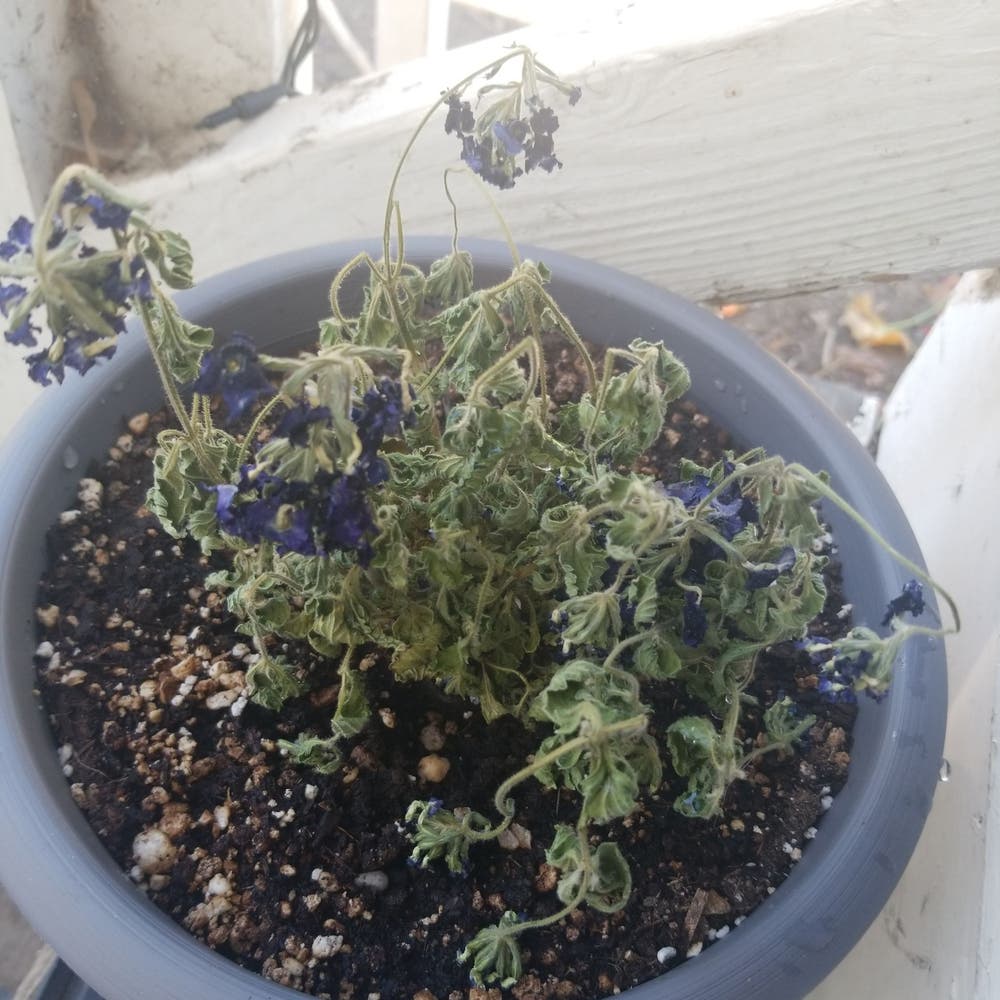
Over-fertilization can be a sneaky issue for your trailing purple verbena. One of the first signs is leaf burn, where the tips and edges turn brown, indicating that the plant is stressed.
You might also notice excessive leaf growth with few blooms. This imbalance suggests that the plant is focusing on foliage rather than flowers, which is not ideal for a blooming beauty like verbena.
Another red flag is yellowing leaves or stunted growth. If your plants seem to be struggling, it’s time to take a closer look at your fertilization practices.
⚠️ How to Correct Over-Fertilization
If you suspect over-fertilization, immediate action is crucial. Start by flushing the soil with water to dilute the excess nutrients. This can help restore balance and alleviate stress on the plant.
For long-term success, adjust your fertilization schedule. Consider switching to lower concentrations of fertilizer to prevent future issues. Monitoring your plants' responses will guide you in fine-tuning their nutrient needs.
Recognizing these signs and taking corrective measures will keep your trailing purple verbena thriving. Next, let's explore how to tailor fertilization to different varieties for optimal growth.
Nutrient Needs Throughout the Growing Season
🌱 Spring Fertilization
Early spring is the perfect time to give your trailing purple verbena a nutrient boost. As new growth begins, consider using a balanced NPK fertilizer, like a 10-10-10, or opt for organic options to enrich the soil naturally.
☀️ Summer Fertilization
Mid-summer is crucial for peak blooming. During this time, switch to fertilizers with higher phosphorus content, such as a 5-10-5, to encourage those vibrant blooms that make your garden pop.
🍂 Fall Fertilization
As summer fades into fall, it's time to adjust your fertilization routine. Reduce the frequency of applications and focus on maintaining plant health rather than promoting new growth, ensuring your verbena is ready for the cooler months ahead.
Transitioning into the next section, understanding how to tailor your fertilization approach based on specific varieties will further enhance your gardening success.
Tailoring Fertilization to Varieties
🌱 Common Varieties
When it comes to trailing purple verbena, two popular cultivars stand out: 'Homestead Purple' and 'Purple Cascade'. Each variety has unique nutrient needs that can significantly impact their growth and blooming potential.
'Homestead Purple' thrives with a balanced NPK fertilizer, ideally around 10-10-10, to support its vigorous growth. In contrast, 'Purple Cascade' benefits from a slightly higher phosphorus content, which encourages more vibrant blooms.
📈 Adjusting Fertilization Based on Growth Habits
Observing how your verbena responds to fertilization is crucial. Each plant may react differently, so it's essential to adjust your approach based on their growth habits.
If you notice excessive leaf growth with few flowers, it might be time to reevaluate your fertilization strategy. Tailoring your feeding schedule to the specific needs of each variety can lead to healthier plants and more abundant blooms.
By paying attention to these nuances, you can ensure your trailing purple verbena flourishes throughout the growing season. This personalized approach not only enhances their beauty but also enriches your gardening experience.
Next, let’s explore how to recognize signs of over-fertilization and what steps to take if your plants are getting too much of a good thing.
⚠️ Safety First
This content is for general information and may contain errors, omissions, or outdated details. It is not medical, veterinary advice, or an endorsement of therapeutic claims.
Always consult a qualified healthcare professional before using any plant as food, medicine, or supplement.
Never eat any plant (or feed one to pets) without confirming its identity with at least two trusted sources.
If you suspect poisoning, call Poison Control (800) 222-1222, the Pet Poison Helpline (800) 213-6680, or your local emergency service immediately.
Spotted an error? Please report it here.
Boost your trailing purple verbena's blooms with tailored fertilization 🌼—let Greg guide you with personalized reminders for thriving plants all season long!