Optimal Temperature for Your Trailing Purple Verbena ☀️
Verbena canadensis
By the Greg Editorial Team
Oct 04, 2024•3 min read
This article was created with the help of AI so we can cover more plants for you. May contain errors. See one? Report it here.
Unlock vibrant blooms of trailing purple verbena 🌼 by mastering its temperature needs for optimal growth!
- 🌡️ Ideal temperature for trailing purple verbena is 60°F to 80°F (15°C to 27°C).
- 🌼 Optimal blooming occurs at 65°F to 75°F (18°C to 24°C) for vibrant flowers.
- 🛡️ Protect from temperature stress using shade cloth in heat and frost covers in cold.
Temperature Needs
Ideal Temperature Range for Growth 🌡️
For your trailing purple verbena, the optimal growth temperature ranges from 60°F to 80°F (15°C to 27°C). Different varieties exhibit unique temperature preferences; for instance, 'Homestead Purple' thrives in warmer conditions compared to 'Aztec Purple,' which prefers slightly cooler temperatures.
Temperature Thresholds for Optimal Blooming 🌼
When it comes to blooming, the ideal temperature range is between 65°F and 75°F (18°C to 24°C). Temperatures outside this range can negatively impact flowering frequency and quality, leading to fewer blooms. Consistent temperatures are crucial for ensuring prolonged blooming periods, allowing your verbena to showcase its vibrant colors.
Signs of Temperature Stress 🌡️
Heat Stress Indicators
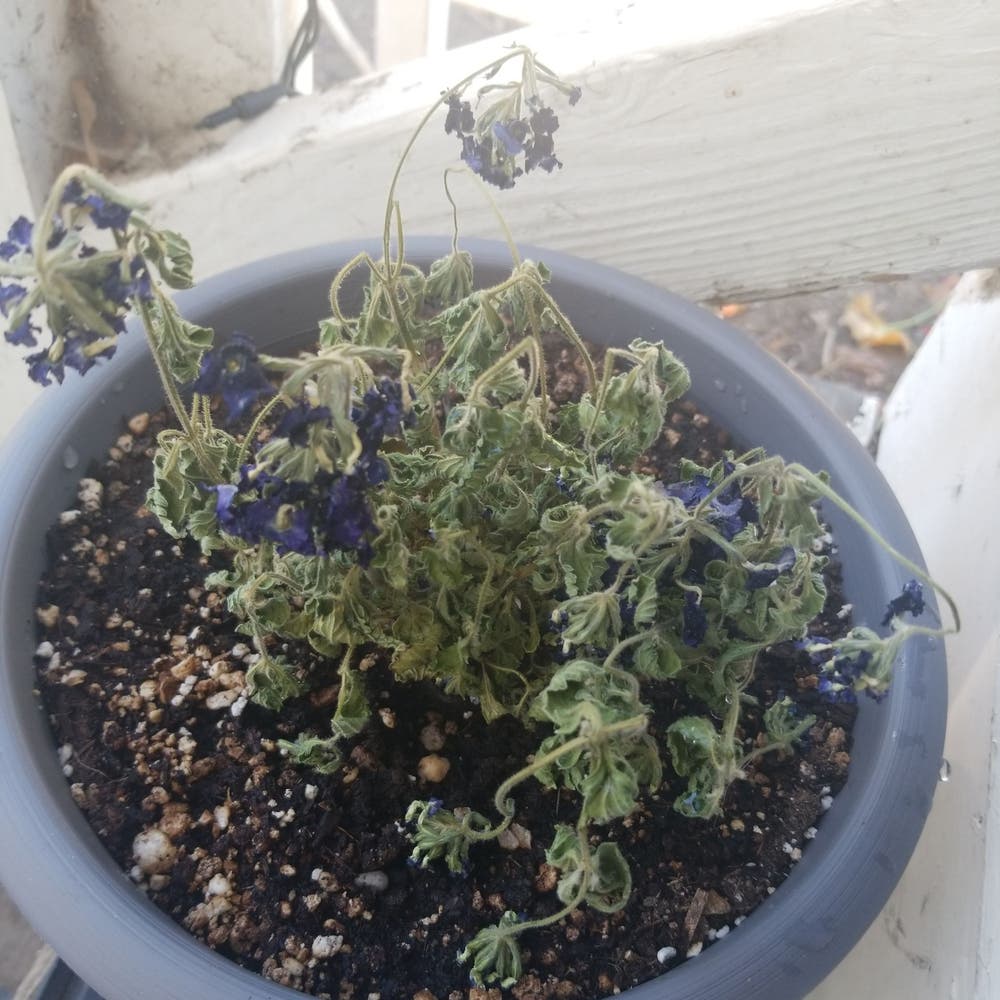
Heat stress can manifest in several ways. Look for wilting symptoms, such as drooping leaves and stems, along with leaf discoloration, which may appear as yellowing or browning edges.
Reduced flowering is another sign, where you might notice fewer blooms or smaller flowers. Additionally, plants under heat stress become more susceptible to pests and diseases, making vigilance essential.
Cold Stress Indicators
Cold stress also presents clear indicators. Drooping and limp foliage are common signs, alongside leaf discoloration that may darken or brown.
Frost damage can occur, leading to blackened tips or edges on leaves. Stunted growth and delayed blooming are further consequences of cold stress, hindering your plant's overall health.
Causes of Temperature Stress 🌪️
Several factors contribute to temperature stress in trailing purple verbena. Extreme weather events, such as heatwaves and cold snaps, can drastically affect plant health.
Urban heat islands can raise local temperatures, while poor air circulation around plants can exacerbate these issues. Understanding these causes helps in taking proactive measures to protect your plants.
Mitigating Temperature Stress 🛡️
Strategies for Protection
To safeguard your verbena, consider using shade cloth during heatwaves. This simple measure can provide immediate relief from excessive heat.
For cold protection, frost cloth or row covers are effective. Timing your planting to avoid temperature extremes is also crucial; aim to plant when conditions are more stable.
Best Practices for Planting Location
Choosing the right planting location is vital for optimal growth. Select well-drained, sunny spots to ensure your verbena thrives.
Avoid low-lying areas that are prone to frost accumulation. Utilizing raised beds can improve drainage and help regulate temperature, creating a more favorable environment for your plants.
With these insights, you can cultivate a thriving garden of trailing purple verbena, ensuring they flourish through varying temperatures. Next, let’s explore the signs of temperature stress in more detail.
⚠️ Safety First
This content is for general information and may contain errors, omissions, or outdated details. It is not medical, veterinary advice, or an endorsement of therapeutic claims.
Always consult a qualified healthcare professional before using any plant as food, medicine, or supplement.
Never eat any plant (or feed one to pets) without confirming its identity with at least two trusted sources.
If you suspect poisoning, call Poison Control (800) 222-1222, the Pet Poison Helpline (800) 213-6680, or your local emergency service immediately.
Spotted an error? Please report it here.
Keep your trailing purple verbena thriving 🌼 by using Greg's tailored care tips to maintain the perfect temperature range for vibrant blooms all season long!