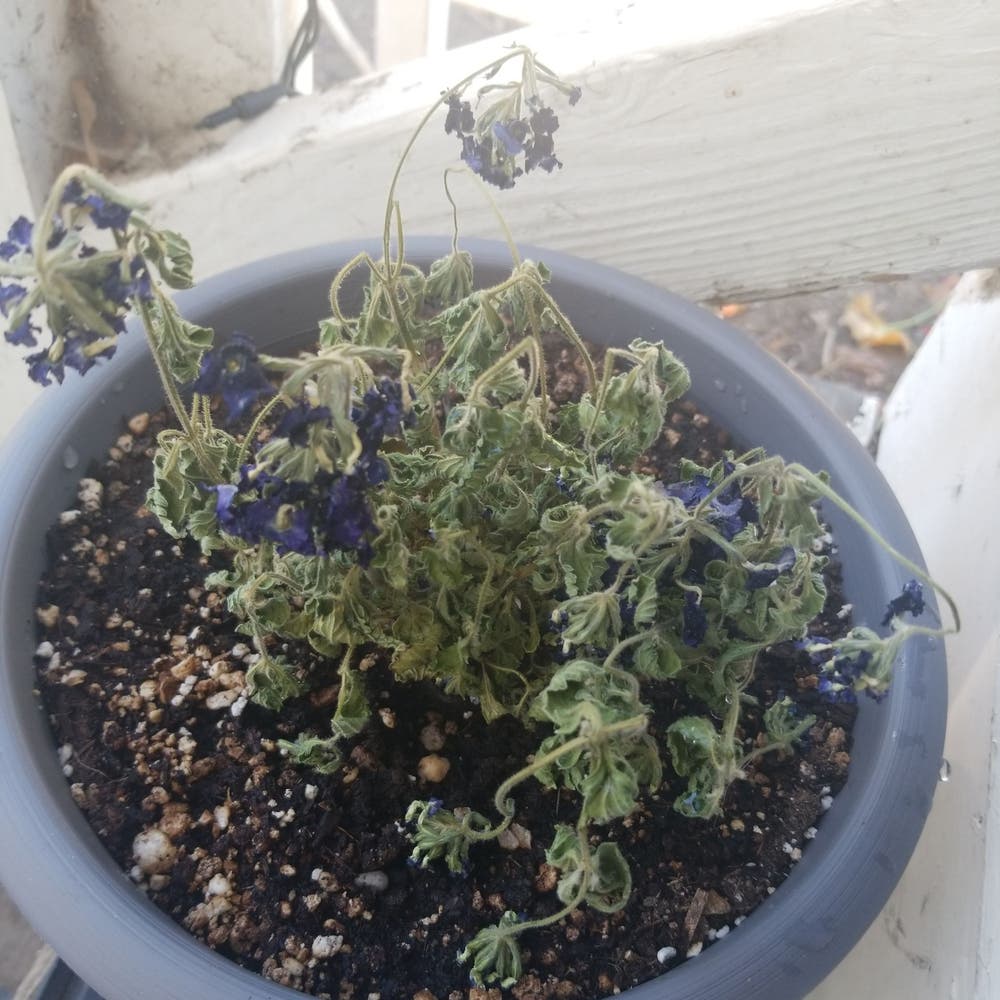
When to Water Your Trailing Purple Verbena 💧
Verbena canadensis
By the Greg Editorial Team
Oct 04, 2024•5 min read
This article was created with the help of AI so we can cover more plants for you. May contain errors. See one? Report it here.
Ensure vibrant blooms and healthy growth 🌱 by mastering the perfect watering routine for your trailing purple verbena!
- 💧 Water every 5-7 days during the growing season, adjusting for weather.
- 🌱 Yellowing leaves indicate over-watering; check soil moisture regularly.
- 📱 Use apps for personalized watering schedules to ensure optimal plant health.
Ideal Watering Frequency
💧 General Guidelines
Water your trailing purple verbena every 5-7 days during the growing season, which spans from spring to fall. Keep an eye on the weather; hot, dry conditions may necessitate more frequent watering, while cooler, humid days can stretch the interval to 10-14 days.
🌱 Factors Influencing Watering Needs
Several factors can affect how often you need to water your verbena.
- Container Size: Smaller pots dry out faster than larger ones, so adjust your schedule accordingly.
- Soil Type: Well-draining soil retains less moisture, meaning you might need to water more often.
- Plant Maturity: Newly planted verbena requires more frequent watering until it becomes established.
Understanding these factors will help you tailor your watering routine, ensuring your verbena thrives.
Next, let’s explore the signs of over-watering to avoid potential pitfalls.
Signs of Over-Watering
Symptoms to Watch For 🌊
Over-watering can be a sneaky issue for your trailing purple verbena. One of the first signs is yellowing leaves, which often indicates root stress from excess moisture.
Another red flag is wilting despite wet soil. This can signal root rot or other water-related problems that need immediate attention. Lastly, keep an eye out for mold or mildew on the soil surface, as this fungal growth thrives in overly damp conditions.
Consequences of Over-Watering ⚠️
Ignoring these symptoms can lead to serious consequences. Root rot is a major risk, and if not addressed quickly, it can result in plant death.
Additionally, over-watering can cause stunted growth. Excess moisture hinders nutrient uptake, leaving your verbena struggling to thrive.
Recognizing these signs early can help you maintain a healthy, vibrant plant. Next, let’s explore the signs of under-watering to ensure your verbena gets just the right amount of care.
Signs of Under-Watering
Symptoms to Identify 🌵
Under-watering your trailing purple verbena can lead to some clear warning signs. Look out for dry, crispy leaves, which indicate a lack of moisture.
Wilting is another symptom; leaves droop and lose their turgor pressure, making the plant look sad. Additionally, if you notice the soil pulling away from the pot edges, it’s a clear sign of dryness.
Consequences of Under-Watering ⚠️
The consequences of under-watering can be significant. One major issue is reduced flowering; stress from insufficient water can inhibit blooming, leaving your garden less vibrant.
Long-term damage is also a risk. Prolonged drought can weaken the plant, making it more susceptible to pests and diseases. Keeping an eye on these signs ensures your verbena thrives and flourishes.
Understanding these symptoms and consequences will help you maintain a healthy watering routine. Next, let’s explore effective watering techniques to keep your plants hydrated.
Watering Techniques
💧 Bottom-Watering Method
The bottom-watering method is a simple yet effective way to hydrate your trailing purple verbena. Start by filling a basin or tray with water.
Next, place the pot in the water, allowing the soil to absorb moisture from the bottom. This technique encourages deep root growth and prevents over-saturation of the topsoil.
After about 30 minutes to 1 hour, check the topsoil; once it feels moist, remove the pot. This method is particularly useful for ensuring even moisture distribution.
🌊 Self-Watering Pots
Self-watering pots are a game-changer for busy gardeners. These pots come equipped with a reservoir that allows plants to draw water as needed, making them an excellent choice for those who travel frequently.
The benefits are clear: they reduce the risk of over-watering and help maintain consistent moisture levels. This means less guesswork and more thriving plants, allowing you to enjoy your gardening without the constant worry of watering schedules.
With these techniques, you can ensure your trailing purple verbena gets the hydration it needs to flourish. Next, let’s explore how to measure soil moisture effectively.
Measuring Soil Moisture
🛠️ Tools for Measuring Moisture
To ensure your trailing purple verbena thrives, measuring soil moisture is essential. A soil moisture meter is a handy tool that provides an accurate reading of moisture levels, helping you avoid both over- and under-watering.
Alternatively, you can use the finger test. Simply insert your finger 1-2 inches into the soil to check for dampness. If it feels dry, it’s time to water.
📏 How to Check Soil Moisture Levels
Start by using a moisture meter according to the manufacturer's instructions. This will give you a precise measurement of the soil's moisture content.
For the finger test, if the soil feels dry at the tip of your finger, it’s time to water. This simple method can be quite effective.
Make it a habit to check moisture levels weekly, especially during the peak growing season. Regular monitoring helps you stay on top of your plant's needs.
By mastering these techniques, you'll ensure your verbena receives just the right amount of water, promoting healthy growth and vibrant blooms. Next, let’s explore effective watering techniques to keep your plants thriving.
Watering Reminders
🌱 Using the Greg Plant Care App for Scheduling
Keeping your trailing purple verbena healthy is easier with the right tools. The Greg Plant Care App allows you to set up a personalized watering schedule tailored to your plant's specific needs and the environmental conditions.
With this app, you can receive timely notifications about when to water. This ensures that your verbena gets the care it needs without the guesswork, making it perfect for busy gardeners or those who might forget.
📅 Benefits of a Personalized Schedule
A customized watering schedule helps you maintain optimal moisture levels. This is crucial for preventing both over-watering and under-watering, which can stress your plants.
By tracking your watering frequency, you can adapt to changing weather conditions. Whether it's a hot summer day or a rainy spell, the app keeps you informed.
💭 Final Thoughts
Using technology like the Greg Plant Care App not only simplifies plant care but also enhances your gardening experience. With the right reminders, you can enjoy a flourishing garden filled with vibrant verbena, all while feeling confident in your watering routine.
Next, let’s explore effective watering techniques to ensure your plants thrive!
⚠️ Safety First
This content is for general information and may contain errors, omissions, or outdated details. It is not medical, veterinary advice, or an endorsement of therapeutic claims.
Always consult a qualified healthcare professional before using any plant as food, medicine, or supplement.
Never eat any plant (or feed one to pets) without confirming its identity with at least two trusted sources.
If you suspect poisoning, call Poison Control (800) 222-1222, the Pet Poison Helpline (800) 213-6680, or your local emergency service immediately.
Spotted an error? Please report it here.
Keep your trailing purple verbena thriving 🌱 by watering it every 5-7 days, and let Greg provide personalized schedules and reminders to make plant care a breeze!