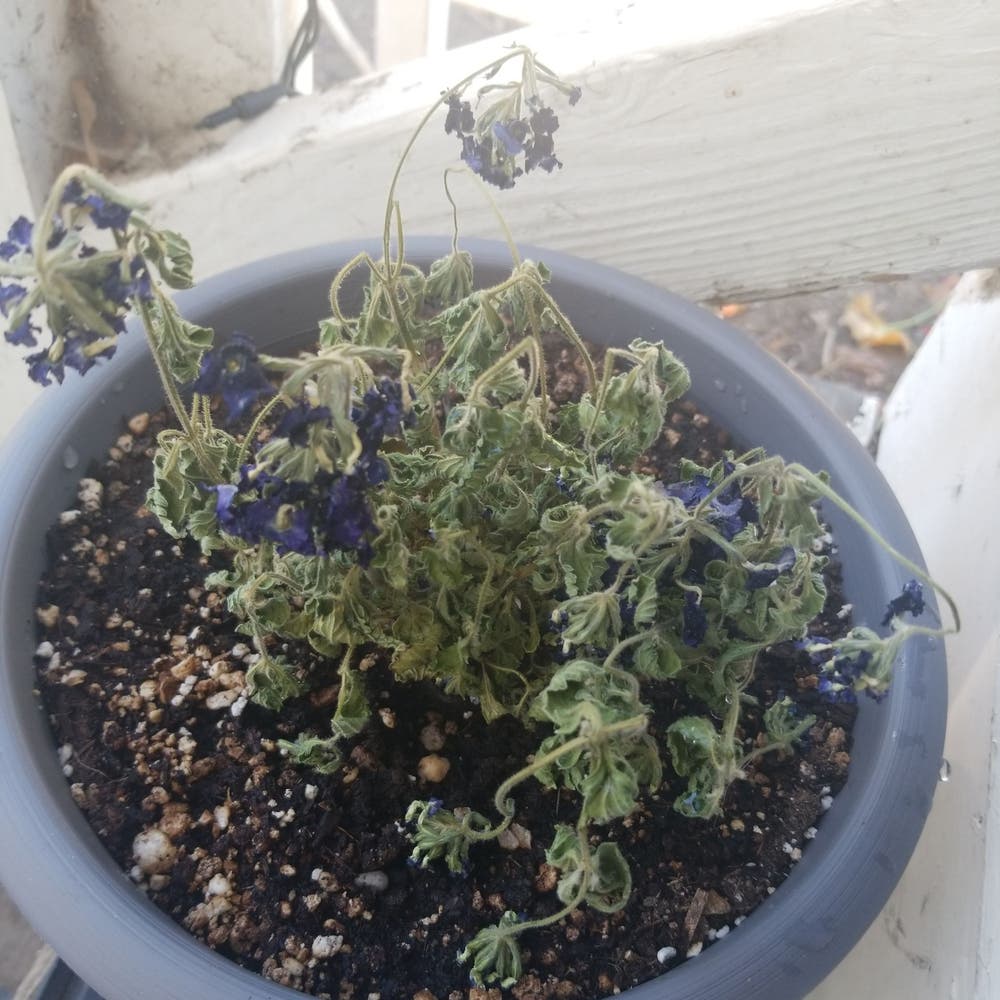
Trailing Purple Verbena Hardiness Zones: 5a-9b 🌸
Verbena canadensis
By the Greg Editorial Team
Oct 04, 2024•4 min read
This article was created with the help of AI so we can cover more plants for you. May contain errors. See one? Report it here.
Unlock vibrant blooms in your garden 🌸 by mastering Trailing Purple Verbena's remarkable temperature tolerance!
- 🌱 Trailing Purple Verbena thrives in USDA zones 5a to 9b, suitable for diverse climates.
- ❄️ Tolerates cold down to -15°F, but avoid prolonged frost exposure for best health.
- ☀️ Optimal growth occurs between 60°F to 80°F, ensuring robust flowering and vitality.
Trailing Purple Verbena Temperature Tolerance
❄️ Cold Tolerance Specifics
Trailing Purple Verbena is remarkably resilient, tolerating temperatures as low as -15°F (-26°C) in hardiness zone 5a. While it can handle brief frosts, long-term exposure to cold is not ideal for this vibrant plant.
☀️ Heat Tolerance Specifics
On the flip side, this plant thrives in warmer climates, flourishing in temperatures reaching up to 90°F (32°C) and beyond. However, excessive heat can lead to stress, impacting flowering and overall vigor.
🌡️ Ideal Temperature Ranges for Growth
For optimal growth, Trailing Purple Verbena prefers a temperature range of 60°F to 80°F (15°C to 27°C). Maintaining these conditions is crucial for ensuring robust growth and abundant flowering, making it essential for gardeners to monitor their local climate closely.
With a solid understanding of temperature tolerance, let's explore the ideal growing regions for Trailing Purple Verbena.
Ideal Growing Regions for Trailing Purple Verbena
🌍 Examples of US States in Suitable Hardiness Zones
Trailing Purple Verbena thrives in hardiness zones 5a to 9b. Notable states include:
- Virginia (zone 6b)
- North Carolina (zone 7b)
- California (zone 9a)
These regions provide the ideal conditions for this vibrant plant to flourish.
🌱 Factors Contributing to Ideal Growing Conditions
For optimal growth, Trailing Purple Verbena prefers well-drained soils.
Additionally, full sun exposure is crucial for robust flowering and overall plant health.
📊 Comparison of Regions Within the Hardiness Range
Even within the same hardiness zone, climate conditions can vary significantly.
Coastal regions often experience milder temperatures compared to their inland counterparts, impacting growth patterns and flowering times.
Understanding these nuances can help gardeners select the best locations for planting Trailing Purple Verbena.
As we explore further, we'll dive into how microclimates can influence the success of this beautiful plant in unexpected ways.
Microclimates and Their Impact
🌦️ Definition of Microclimates
Microclimates are localized climate conditions that can differ significantly from the surrounding areas. Factors such as elevation, proximity to water, and urban heat islands contribute to these unique environments.
🌱 How Microclimates Can Extend Growing Zones
Microclimates can enable the successful growth of Trailing Purple Verbena beyond its typical hardiness zones. In urban areas, for instance, these localized conditions may provide warmer temperatures, allowing for healthier plants.
🌊 Examples of Microclimates Affecting Trailing Purple Verbena
There are numerous instances where microclimates have positively impacted the growth of Trailing Purple Verbena. For example, gardens situated near bodies of water often experience milder temperatures, promoting robust flowering.
In some urban settings, gardeners have successfully utilized microclimates to cultivate Trailing Purple Verbena, even in less-than-ideal conditions. These case studies highlight the adaptability of this plant and the potential for thriving gardens in unexpected places.
Understanding microclimates can be a game-changer for gardeners looking to maximize their growing potential. By recognizing these localized conditions, you can enhance your gardening strategy and enjoy the vibrant blooms of Trailing Purple Verbena.
As we explore state-level suitability, consider how these microclimates might influence your gardening choices.
State-Level Suitability Analysis
🌱 List of States Within Hardiness Zones 5a-9b
Trailing Purple Verbena thrives in a variety of states across the U.S. Here’s a comprehensive list of states where you can successfully grow this vibrant plant:
- Virginia
- North Carolina
- South Carolina
- Georgia
- Florida
- Texas
- California
- Arizona
- Nevada
These states offer the ideal conditions for robust growth and flowering, making them perfect for gardening enthusiasts.
❌ States Where Trailing Purple Verbena Is Not Suitable
While many states provide a welcoming environment, some are simply too harsh for Trailing Purple Verbena. The following states fall outside the suitable hardiness range:
- North Dakota
- Minnesota
- Montana
- Maine
- Alaska
These regions experience extreme cold, making it challenging for the plant to survive.
🌧️ Reasons for Unsuitability in Certain States
The unsuitability of certain states primarily stems from their climate conditions.
Extreme Cold Temperatures: States like North Dakota and Minnesota face harsh winters, with temperatures plummeting far below what Trailing Purple Verbena can tolerate.
Prolonged Frost Periods: Extended frost periods in places like Maine and Alaska can hinder the plant's growth cycle, preventing it from thriving.
Insufficient Heat: In states with shorter growing seasons, the lack of warmth during critical months can affect the plant's viability.
Understanding these factors can help gardeners make informed decisions about where to plant Trailing Purple Verbena.
As we explore the next topic, consider how microclimates might offer surprising opportunities for growing this resilient plant even in less-than-ideal conditions.
⚠️ Safety First
This content is for general information and may contain errors, omissions, or outdated details. It is not medical, veterinary advice, or an endorsement of therapeutic claims.
Always consult a qualified healthcare professional before using any plant as food, medicine, or supplement.
Never eat any plant (or feed one to pets) without confirming its identity with at least two trusted sources.
If you suspect poisoning, call Poison Control (800) 222-1222, the Pet Poison Helpline (800) 213-6680, or your local emergency service immediately.
Spotted an error? Please report it here.
Maximize your success with Trailing Purple Verbena by understanding its hardiness zones, and let Greg provide you with tailored care tips 🌱 to help your plants flourish in any climate!