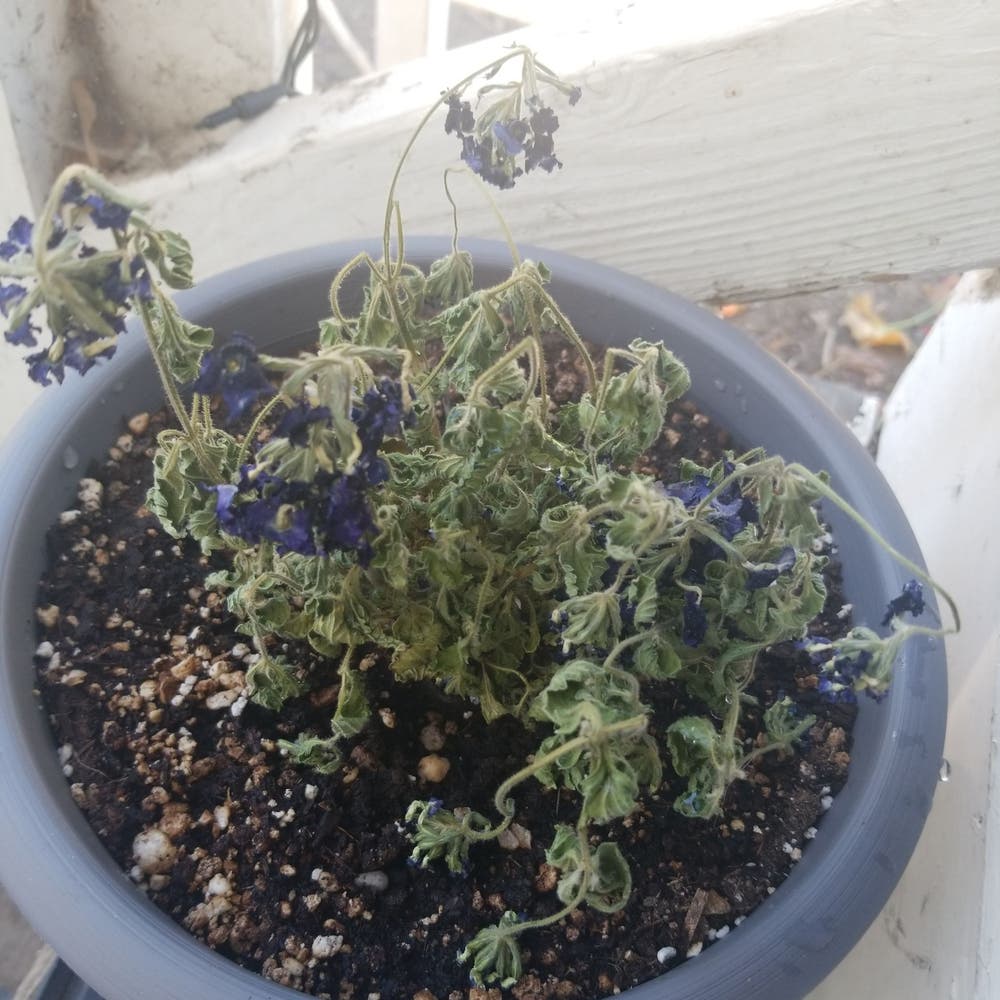
🦋 How to Cure Dropping Leaves on Your Trailing Purple Verbena
Verbena canadensis
By the Greg Editorial Team
Oct 04, 2024•4 min read
This article was created with the help of AI so we can cover more plants for you. May contain errors. See one? Report it here.
Transform your trailing purple verbena 🌱 by uncovering essential tips to prevent leaf drop and ensure vibrant growth!
- 💧 Overwatering and underwatering are primary causes of leaf drop in trailing purple verbena.
- 🐛 Pest infestations like aphids can lead to significant leaf health issues.
- 🌬️ Maintain humidity and temperature for optimal plant health and to prevent leaf drop.
Causes of Leaf Drop
💧 Overwatering
Overwatering is a common culprit behind leaf drop in trailing purple verbena. Symptoms include yellowing leaves, mushy stems, and root rot, signaling that your plant is drowning.
To prevent this, ensure your soil is well-draining. Regularly check soil moisture levels and inspect root health to catch issues early.
🚰 Underwatering
On the flip side, underwatering can also lead to leaf drop. Look for signs like drooping leaves, dry soil, and wilting, which indicate your plant is thirsty.
Assess the soil texture and moisture content to determine if your verbena needs a drink.
🐛 Pest Infestations
Common Pests
Pests like aphids and spider mites can wreak havoc on your verbena. Identifying these pests early is crucial, as they can cause significant leaf drop.
Keep an eye out for their telltale signs, such as visible pests on the leaves and sticky residue left behind.
Control Methods
If you suspect an infestation, act quickly. Look for visible pests and sticky residue on leaves.
Control methods include introducing beneficial insects, using insecticidal soap, or applying neem oil to eliminate these pests effectively.
🍄 Fungal Diseases
Common Diseases
Fungal diseases, particularly powdery mildew, can also affect your verbena. Symptoms include a white, powdery coating on leaves, which can lead to leaf health deterioration.
Recognizing these signs early can help you take action before the situation worsens.
Treatment Options
To combat fungal diseases, consider using fungicides. Improving air circulation around your plants can also help prevent future outbreaks.
🌡️ Environmental Stress
Temperature and Humidity
Environmental factors play a significant role in leaf health. The ideal temperature range for trailing purple verbena is between 60°F to 80°F (15°C to 27°C).
Maintaining humidity levels between 40-60% is essential to prevent leaf curling and drop. Adjust your environment accordingly to keep your plants thriving.
Understanding these causes of leaf drop will empower you to take action and restore your trailing purple verbena to its vibrant self. Next, let’s explore effective treatment solutions to address these issues head-on.
Treatment Solutions
💧 Overwatered Plants
If your trailing purple verbena is suffering from overwatering, the first step is to stop watering immediately. This allows the soil to dry out and helps prevent further root rot.
Next, inspect the roots for any signs of rot. Trim away any mushy or blackened roots and repot the plant in dry, well-draining soil to encourage recovery.
🚰 Underwatered Plants
For underwatered plants, start by watering thoroughly to ensure moisture reaches the root zone. This helps revive drooping leaves and restores vitality.
Additionally, misting the leaves can provide temporary humidity, which is especially beneficial in dry conditions.
🐞 Pest Control
Organic Options
When dealing with pests like aphids or spider mites, consider using neem oil. Mix neem oil with water according to the instructions on the label and spray it directly onto the affected areas.
This natural solution disrupts the pests' life cycle and helps protect your plant without harsh chemicals.
Chemical Options
If the infestation is severe, insecticidal soap can be an effective alternative. Apply it during the cooler parts of the day to avoid leaf burn, and repeat every few days until the pests are under control.
🍄 Fungal Disease Treatments
For fungal diseases like powdery mildew, timing is crucial. Apply fungicides early in the morning or late in the evening to minimize evaporation and maximize effectiveness.
Make sure to follow the application instructions carefully for the best results.
🌱 Environmental Adjustments
Sometimes, environmental factors play a significant role in plant health. Consider using grow lights if your verbena isn’t getting enough natural light, especially during shorter days.
Additionally, a humidifier can help maintain optimal humidity levels, preventing stress and promoting lush growth.
By addressing these treatment solutions, you can help your trailing purple verbena thrive once again. Next, let’s explore long-term care strategies to keep your plant healthy and vibrant.
Long-term Care Strategies
Maintenance Practices 🛠️
Routine checks for pests and diseases are essential for keeping your trailing purple verbena healthy. Regularly inspect the leaves and stems to catch any issues early.
Pruning dead or damaged leaves not only improves appearance but also encourages new growth. This simple practice can significantly enhance the plant's overall health.
Monitoring Health 📊
Keeping a care journal is a great way to track growth changes and identify patterns. Note any fluctuations in leaf color, size, or overall vigor to better understand your plant's needs.
This record will help you make informed decisions about watering, feeding, and pest control.
Seasonal Adjustments 🌦️
Adapting care practices based on seasonal changes is crucial for your verbena's success. In warmer months, increase watering and humidity, while reducing care during cooler periods.
Be mindful of how temperature and light levels fluctuate throughout the year. Adjust your approach to ensure your plant thrives in every season.
By implementing these long-term care strategies, you can enjoy a vibrant and healthy trailing purple verbena. Next, let’s explore effective treatment solutions for common issues that may arise.
⚠️ Safety First
This content is for general information and may contain errors, omissions, or outdated details. It is not medical, veterinary advice, or an endorsement of therapeutic claims.
Always consult a qualified healthcare professional before using any plant as food, medicine, or supplement.
Never eat any plant (or feed one to pets) without confirming its identity with at least two trusted sources.
If you suspect poisoning, call Poison Control (800) 222-1222, the Pet Poison Helpline (800) 213-6680, or your local emergency service immediately.
Spotted an error? Please report it here.
Revive your trailing purple verbena and watch it thrive 🌿 by using Greg's tailored watering reminders and pest alerts to keep your plant healthy and happy!