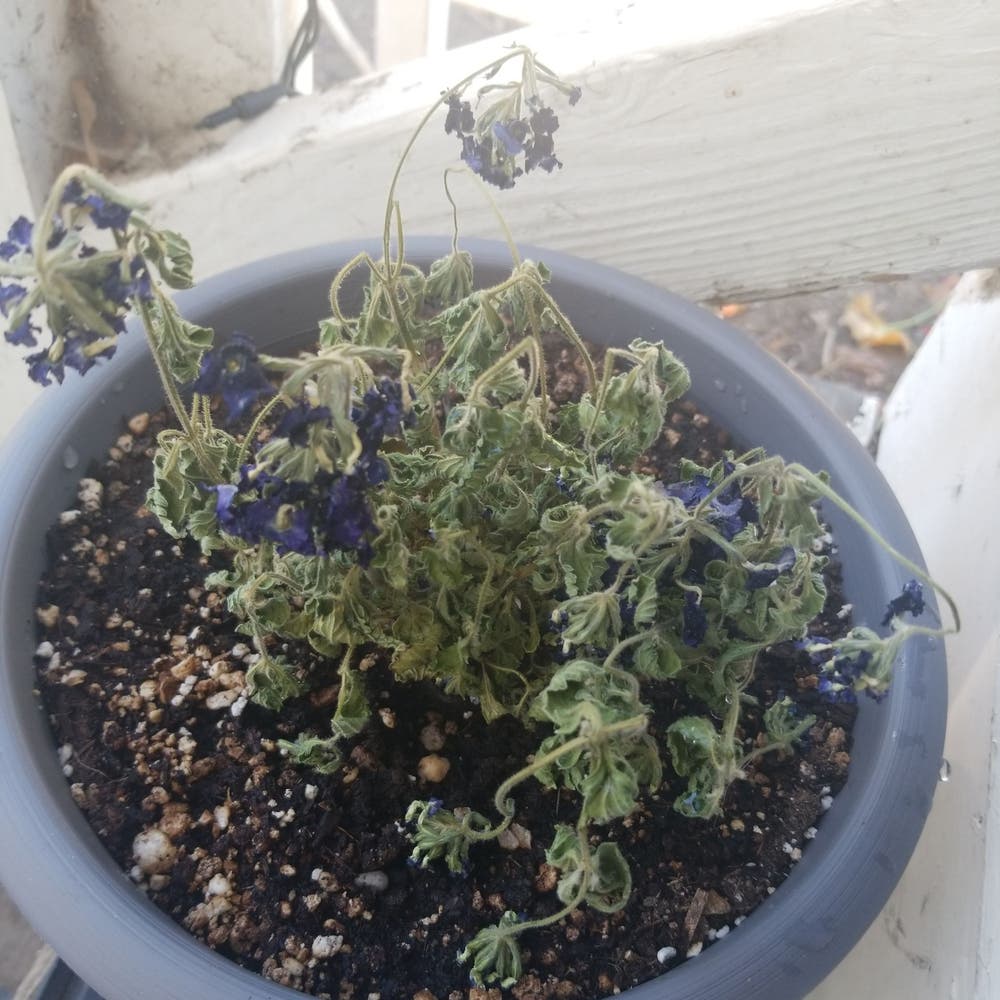
🌸 How and When to Pollinate Trailing Purple Verbena
Verbena canadensis
By the Greg Editorial Team
Oct 04, 2024•6 min read
This article was created with the help of AI so we can cover more plants for you. May contain errors. See one? Report it here.
Unlock vibrant blooms for your Trailing Purple Verbena 🌸 by mastering essential pollination techniques and supporting pollinators!
- 🌼 Trailing Purple Verbena attracts bees, butterflies, and hummingbirds for effective pollination.
- 🌱 Cross-pollination boosts genetic diversity, enhancing plant resilience and health.
- 🐝 Hand pollination increases seed production; timing is crucial for success.
Flower Structure
Description of Flower Parts 🌸
Trailing Purple Verbena boasts small, tubular petals that are typically purple or lavender, arranged in vibrant clusters. These flowers are protected by green, leaf-like sepals that shield the budding blooms.
The male reproductive parts, known as stamens, produce the essential pollen. Meanwhile, the pistils serve as the female reproductive components, ready to receive pollen for fertilization.
How Flower Structure Facilitates Pollination 🐝
The unique tubular shape of these flowers is a magnet for specific pollinators like bees and butterflies. Their design allows these creatures to easily access the nectar and pollen, making the pollination process efficient.
Additionally, the clustered arrangement of flowers enhances visibility and accessibility. This strategic positioning increases the likelihood of successful pollen transfer, ensuring that the plant can thrive.
As we delve deeper into the pollination process, understanding these structural elements will illuminate how they contribute to the plant's reproductive success.
Pollination Process
🌱 Mechanisms of Self-Pollination
Trailing Purple Verbena has the ability to self-pollinate, but it thrives primarily through cross-pollination facilitated by external pollinators. This self-pollination often occurs when conditions are unfavorable for attracting these helpful insects.
🦋 Role of Cross-Pollination and Primary Pollinators
Cross-pollination is vital for the health of Trailing Purple Verbena, and several key pollinators play a significant role:
- Bees: These busy insects gather nectar and pollen, effectively transferring pollen between flowers.
- Butterflies: Their attraction to vibrant colors helps them move from flower to flower, promoting cross-pollination.
- Hummingbirds: With their long beaks, they can access nectar deep within the flowers, aiding in pollen movement.
The plant’s bright colors and sweet nectar are designed to attract these pollinators, ensuring a successful reproductive process.
Understanding these mechanisms not only highlights the importance of pollinators but also sets the stage for exploring how to support them effectively.
Natural Pollination
🌼 Pollen Transfer Mechanisms
Pollinators, like bees and butterflies, play a vital role in transferring pollen. As they land on Trailing Purple Verbena flowers, they collect pollen on their bodies, which is then moved to other flowers, facilitating cross-pollination.
While wind can contribute to pollen dispersal, it’s not the main method for this plant. The vibrant colors and sweet nectar of the flowers are designed to attract these essential pollinators.
🌱 Importance of Pollination for Reproduction and Genetic Diversity
Successful pollination is crucial for seed production, ensuring the plant's lifecycle continues. Each seed produced is a step toward a new generation of plants.
Cross-pollination not only boosts seed production but also enhances genetic diversity. This diversity makes the plant population more resilient, helping them withstand diseases and adapt to environmental changes.
Understanding these processes highlights the importance of nurturing pollinator-friendly environments, which leads us to explore how we can support these vital species.
Hand Pollination
Step-by-Step Instructions for Hand Pollination 🌼
Hand pollination can be a rewarding way to ensure your Trailing Purple Verbena thrives. Here’s how to do it effectively:
Identify Male and Female Flower Parts:
Start by locating the stamens (male) and pistils (female) within the flower. The stamens are usually more numerous and surround the central pistil.Collecting Pollen:
Use a small, soft brush to gently tap or brush the stamens. This will collect the pollen without damaging the flower.Transferring Pollen:
Carefully apply the collected pollen to the stigma of the pistil. This step is crucial for fertilization.Timing:
For the best results, perform hand pollination during the morning when the flowers are fully open. This maximizes the chances of successful pollen transfer.
Identifying Male and Female Flower Parts 🔍
Understanding the flower structure is key to effective hand pollination.
Male Parts (Stamens): These are typically more numerous and located around the flower's center. They produce the pollen needed for fertilization.
Female Parts (Pistils): Usually central and slightly larger, the pistils are where the pollen lands to initiate fertilization.
With these steps and insights, you can enhance the pollination process for your Trailing Purple Verbena, ensuring a vibrant and healthy plant.
Next, let’s explore how to support pollinators in your garden for even better results.
Supporting Pollinators
🌼 Creating a Pollinator-Friendly Environment
To support pollinators effectively, start by planting a diverse range of flowering plants. This diversity ensures continuous blooms throughout the growing season, providing essential food sources for bees, butterflies, and other pollinators.
It's crucial to avoid using pesticides that can harm these beneficial insects. Instead, consider natural pest control methods to maintain a healthy ecosystem in your garden.
🌻 Companion Plants to Attract Pollinators
Choosing the right companion plants can significantly enhance your garden's appeal to pollinators. Here are some excellent options:
- Lavender: Its fragrant blooms attract bees and butterflies, making it a favorite among pollinators.
- Marigolds: Known for their vibrant colors, marigolds draw various pollinator species, adding beauty and biodiversity.
- Coneflowers: These hardy plants provide nectar and pollen, supporting a range of pollinators throughout their blooming period.
By incorporating these plants, you create a welcoming environment that encourages pollinator activity. This not only benefits your garden but also contributes to the broader ecosystem.
As you cultivate a pollinator-friendly space, remember that every small effort counts. Your garden can become a vital sanctuary for these essential creatures, leading to healthier plants and a more vibrant landscape. Next, let’s explore the challenges that can arise in the pollination process and how to overcome them.
Pollination Challenges
🌪️ Common Obstacles to Successful Pollination
Pollination can be tricky for Trailing Purple Verbena due to various environmental factors. Temperature fluctuations, high humidity, and drought conditions can all negatively impact the success of pollination.
Additionally, a decline in pollinator species poses a significant challenge. Habitat loss and pesticide use have led to fewer bees, butterflies, and hummingbirds, which are essential for effective pollination.
🛠️ Solutions for Overcoming Pollination Challenges
To combat these challenges, consider implementing a consistent watering schedule. Keeping the soil moist during dry spells can help maintain healthy plants that attract pollinators.
Creating supportive habitats is another effective strategy. Planting wildflower patches or installing bee hotels can encourage pollinator populations to thrive in your garden.
Lastly, stay vigilant about local weather conditions. Adjusting your care practices based on the weather can significantly enhance the chances of successful pollination.
By addressing these challenges, you can foster a thriving environment for Trailing Purple Verbena and its pollinators. This proactive approach not only benefits your plants but also contributes to the overall health of the ecosystem.
⚠️ Safety First
This content is for general information and may contain errors, omissions, or outdated details. It is not medical, veterinary advice, or an endorsement of therapeutic claims.
Always consult a qualified healthcare professional before using any plant as food, medicine, or supplement.
Never eat any plant (or feed one to pets) without confirming its identity with at least two trusted sources.
If you suspect poisoning, call Poison Control (800) 222-1222, the Pet Poison Helpline (800) 213-6680, or your local emergency service immediately.
Spotted an error? Please report it here.
Boost your Trailing Purple Verbena's health and attract more pollinators 🐝 with Greg's tailored care tips that help you create a vibrant, pollinator-friendly garden!