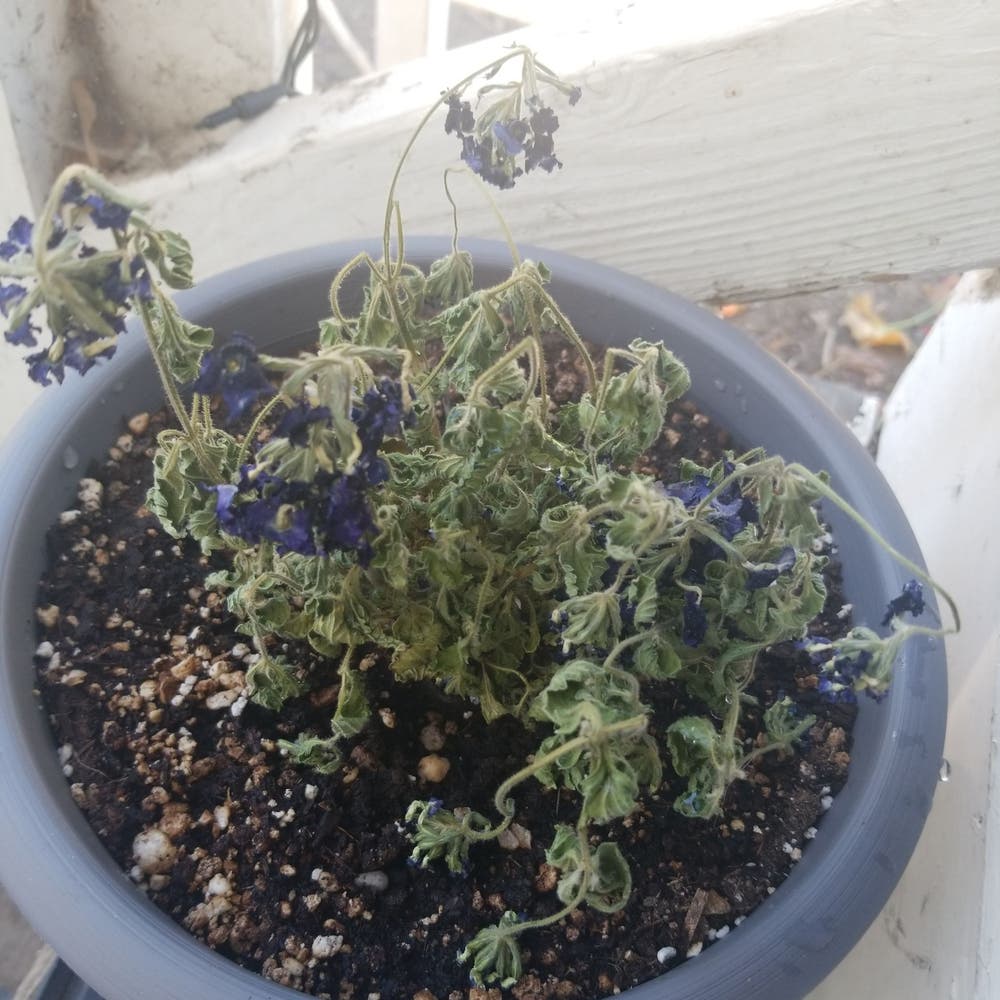
🎨 How to Fix Black Spots on Your Trailing Purple Verbena
Verbena canadensis
By the Greg Editorial Team
Oct 04, 2024•5 min read
This article was created with the help of AI so we can cover more plants for you. May contain errors. See one? Report it here.
Transform your garden by mastering the art of preventing and treating black spots on trailing purple verbena! 🌿
- 🌱 Black spots arise from fungi, bacteria, pests, or nutrient deficiencies. Identify the cause!
- 💧 Overwatering and poor sunlight can lead to black spots. Adjust care accordingly.
- 🛠️ Use organic treatments like neem oil and baking soda to combat black spots effectively.
Causes of Black Spots
🦠 Fungal Infections
Fungal infections are a primary culprit behind black spots on your trailing purple verbena. Common diseases include powdery mildew and leaf spot fungi, which manifest as black spots with a fuzzy appearance, often accompanied by a white powdery residue.
High humidity and poor air circulation create ideal conditions for these fungi to thrive. Keeping your plants in well-ventilated areas can help mitigate these issues.
🦠 Bacterial Infections
Bacterial infections, such as bacterial leaf spot, can also lead to unsightly black spots. These symptoms appear as dark, water-soaked spots that may ooze, indicating a more serious problem.
Transmission often occurs through water splashes or contaminated tools, so maintaining clean gardening practices is essential.
🌪️ Environmental Stress
💧 Overwatering
Overwatering can lead to wilting, yellowing leaves, and those dreaded black spots. Ensuring your soil has proper drainage is crucial to prevent root rot and fungal growth.
🚰 Underwatering
On the flip side, underwatering can cause leaf curling and browning. This stress makes your plants more susceptible to diseases, so striking a balance is key.
🥦 Nutrient Deficiencies
🌱 Nitrogen Deficiency
A nitrogen deficiency can manifest as yellowing leaves with black spots. Balanced fertilization is vital for promoting healthy growth and preventing these issues.
🥔 Potassium Deficiency
Potassium deficiency often results in marginal leaf burn and black spots. Potassium plays a crucial role in plant health and disease resistance, making it essential for your verbena's vitality.
🐞 Pest Infestations
🐜 Aphids
Aphids can leave sticky residue, curled leaves, and black spots in their wake. These pests weaken plants, increasing their susceptibility to diseases.
🕷️ Spider Mites
Spider mites create fine webbing and stippled leaves, contributing to the stress that leads to black spots. Addressing pest infestations promptly can help maintain your plant's health and resilience.
Understanding these causes is the first step in effectively treating and preventing black spots on your trailing purple verbena. Next, we’ll explore how to diagnose these issues accurately.
Diagnosing Black Spots
Identifying Symptoms 🕵️♂️
When you notice black spots on your Trailing Purple Verbena, the size and color can tell you a lot. Small, round, black spots often indicate a different issue than larger, irregular shapes.
The texture is also a key factor. Fungal infections usually present a fuzzy appearance, while bacterial issues tend to have a smooth, water-soaked look.
Differentiating Between Fungal and Bacterial Issues 🔍
Understanding the characteristics of these infections can help you diagnose the problem effectively. Fungal issues often spread and have a powdery or fuzzy texture.
In contrast, bacterial problems are marked by a water-soaked appearance and may ooze, signaling a more serious concern.
Assessing Environmental Factors 🌦️
Environmental conditions play a significant role in plant health. Ensure your Trailing Purple Verbena receives adequate sunlight exposure, ideally 6-8 hours daily.
Moisture levels are crucial too. Regularly check soil moisture and drainage to prevent conditions that favor disease. Additionally, maintain an ideal temperature range of 20°C to 30°C (68°F to 86°F) for optimal growth.
By carefully observing symptoms and environmental factors, you can pinpoint the cause of black spots on your plants. This understanding sets the stage for effective treatment and prevention strategies.
Treatment Options
🌱 Organic Fungicides and Bactericides
Using organic fungicides and bactericides is an effective way to combat black spots on your trailing purple verbena. Recommended products include neem oil and copper fungicide, which should be applied every 7-14 days until you see improvement.
🏡 Homemade Remedies
Baking Soda Solution
A simple and effective homemade remedy is a baking soda solution. Mix 1 tablespoon of baking soda with 1 gallon of water and spray it on the affected leaves every 1-2 weeks.
Neem Oil
Neem oil serves as both a natural pesticide and fungicide. Dilute it according to package instructions and spray it on the leaves to help control black spots.
✂️ Pruning Affected Leaves
Pruning is crucial for managing black spots. Removing infected foliage prevents the spread of disease, so use clean, sharp pruning shears to minimize any additional damage.
💧 Adjusting Watering Practices
Proper watering practices can significantly impact plant health. Water your verbena only when the top inch of soil is dry, and ensure you use pots with drainage holes and well-draining soil to prevent waterlogging.
These treatment options will help you tackle black spots effectively. Next, let’s explore preventive measures to keep your trailing purple verbena healthy and vibrant.
Preventive Measures
Proper Watering Techniques 🌊
To keep your Trailing Purple Verbena thriving, focus on proper watering techniques. Ensure your pots have adequate drainage to prevent waterlogging, which can lead to root rot.
Water deeply but infrequently to encourage deep root growth. This method helps your plants develop resilience against diseases.
Soil Health and Amendments 🌱
Soil health is crucial for vibrant plants. Use well-draining, sandy loam to provide the best environment for your Verbena.
Consider adding compost to improve soil structure and nutrient content. This simple amendment can significantly boost plant health.
Sunlight Exposure and Placement ☀️
Placement matters when it comes to sunlight. Aim for a location that receives full sun for 6-8 hours daily to promote healthy growth.
Avoid shaded areas, as they can increase the risk of fungal infections. Your plants will thank you for the extra light!
Regular Inspection for Pests 🔍
Regular inspections can save your plants from pest infestations. Check weekly for signs of aphids and spider mites to catch any issues early.
If you spot pests, control methods like insecticidal soap or neem oil can be effective. Staying proactive will keep your Verbena healthy and vibrant.
By implementing these preventive measures, you can enjoy a flourishing garden free from the worry of black spots. Next, let’s explore effective treatment options for when issues do arise.
⚠️ Safety First
This content is for general information and may contain errors, omissions, or outdated details. It is not medical, veterinary advice, or an endorsement of therapeutic claims.
Always consult a qualified healthcare professional before using any plant as food, medicine, or supplement.
Never eat any plant (or feed one to pets) without confirming its identity with at least two trusted sources.
If you suspect poisoning, call Poison Control (800) 222-1222, the Pet Poison Helpline (800) 213-6680, or your local emergency service immediately.
Spotted an error? Please report it here.
Keep your trailing purple verbena spot-free 🌱 with Greg's tailored care tips and watering reminders that ensure your plants stay healthy and vibrant!