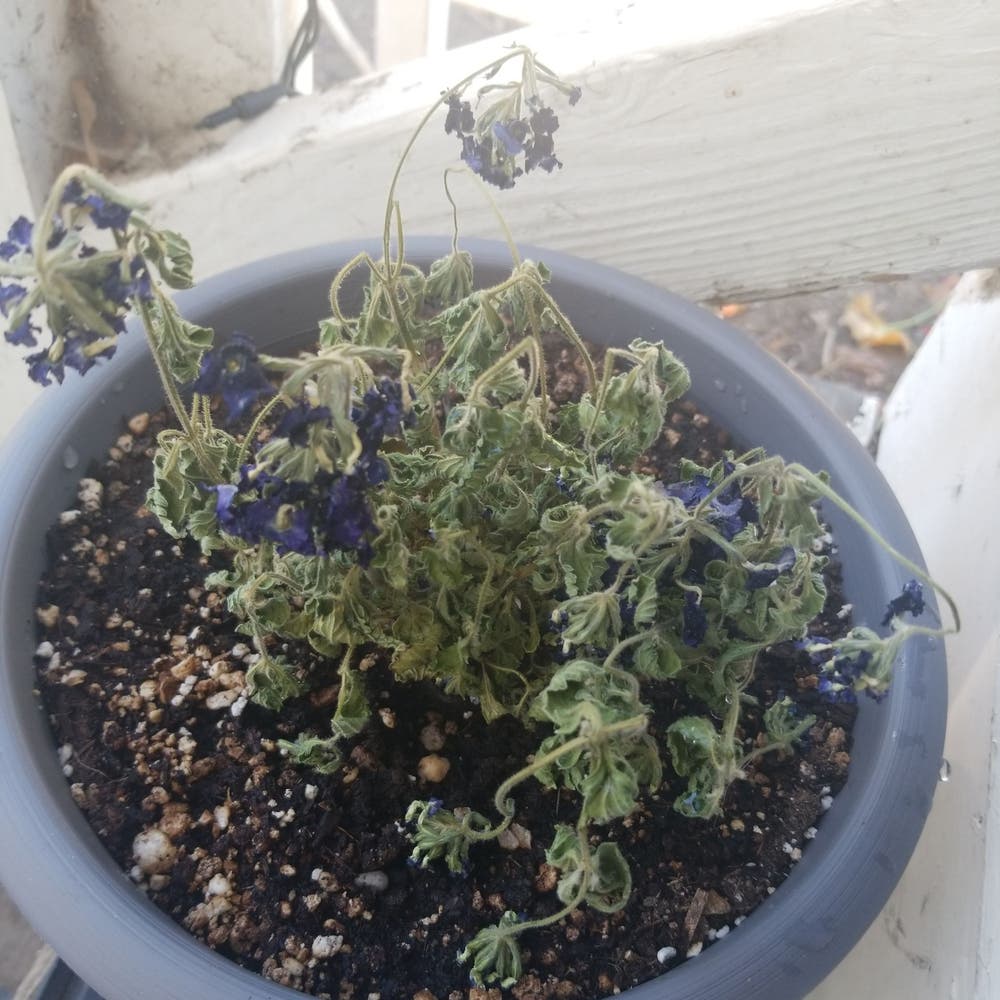
Best Soil for Your Trailing Purple Verbena 🌸
Verbena canadensis
By the Greg Editorial Team
Oct 04, 2024•5 min read
This article was created with the help of AI so we can cover more plants for you. May contain errors. See one? Report it here.
Boost your trailing purple verbena's health 🌱 with essential soil care tips for vibrant blooms and growth!
- 🌱 Unhealthy soil signs include mold and foul odors; address them promptly for thriving verbena.
- 💧 Good drainage and aeration are crucial to prevent waterlogging and promote healthy growth.
- 🧪 Regular soil testing ensures optimal pH and nutrient levels for vibrant trailing purple verbena.
Identifying Unhealthy Soil
🚨 Signs of Unhealthy Soil
Moldy soil is a clear indicator that something is off. Look for white or gray mold on the surface, which often signals anaerobic conditions, accompanied by a foul odor.
Soil compaction is another red flag. If you find hard, dense soil that retains water, it’s likely leading to poor drainage and waterlogged conditions.
🌱 Effects of Unhealthy Soil on Trailing Purple Verbena
Unhealthy soil can stunt the growth of your trailing purple verbena and reduce flowering. This not only affects the plant's appearance but also increases its susceptibility to pests and diseases.
Additionally, unhealthy soil can lead to root rot and an overall decline in plant health. Addressing these issues promptly is crucial for maintaining vibrant, thriving plants.
Resolving Soil Issues
🦠 Solutions for Moldy Soil
Moldy soil can be a real problem for your trailing purple verbena. Start by removing the affected layer of soil and replacing it with a fresh mix to eliminate the mold.
Next, improve air circulation around the plant. This can help prevent future mold growth and create a healthier environment.
If the mold persists, consider using fungicides. Just make sure they are safe for edible plants to avoid any unwanted side effects.
💧 How to Improve Soil Drainage and Aeration
Good drainage and aeration are crucial for healthy soil. One effective method is to incorporate additional perlite or sand into your soil mix, which enhances drainage.
Using raised beds or containers with drainage holes can also make a significant difference. These setups allow excess water to escape, preventing waterlogged conditions.
Finally, regularly aerate the soil by gently loosening it with a fork. This practice helps maintain a healthy soil structure and promotes root growth.
With these solutions, you can tackle moldy soil and improve drainage, setting your trailing purple verbena up for success. Next, let’s explore the ideal soil pH and nutrient needs for optimal growth.
Soil pH and Nutrient Needs
Recommended pH Range 🌱
For trailing purple verbena, the ideal soil pH is between 6.0 and 7.0, which is slightly acidic to neutral. This pH range is crucial because it directly impacts the availability of essential nutrients like nitrogen, phosphorus, and potassium.
Importance of pH for Nutrient Uptake 📈
A balanced pH ensures that your plants can absorb nutrients effectively. If the pH is too high or too low, nutrient deficiencies can occur, leading to poor plant health.
Nutrient Requirements and Amendments 🥦
To thrive, trailing purple verbena needs key nutrients:
- Nitrogen: Essential for lush foliage development.
- Phosphorus: Vital for vibrant flowering.
- Potassium: Supports overall plant health and resilience.
Recommended Soil Amendments 🧑🌾
To maintain optimal nutrient levels, consider these amendments:
- Organic fertilizers: Products like fish emulsion and bone meal provide a nutrient boost.
- Regular compost additions: Compost enriches the soil with organic matter, promoting healthy growth.
By focusing on the right pH and nutrient balance, you can create an environment where your trailing purple verbena flourishes.
Next, let’s explore how to create a homemade soil mix that meets these needs perfectly.
Creating a Homemade Soil Mix
Step-by-Step Guide to Making the Ideal Soil Mix 🌱
Creating the perfect soil mix for your trailing purple verbena is straightforward and rewarding. Start by gathering your materials: potting soil, perlite, compost, and well-rotted manure.
Next, mix these components in a large container. Aim for a blend of 50% potting soil, 25% perlite, and 25% compost or manure. This combination provides a balanced nutrient base while ensuring good drainage.
Once mixed, adjust the moisture content. Your soil should be slightly moist but not soggy—think of it as a damp sponge, not a dripping wet towel.
Finally, test the pH using a soil pH test kit. Ensure it falls within the ideal range of 6.0 to 7.0 for optimal nutrient uptake.
Recommended Ingredients and Their Benefits 🥕
Each ingredient in your soil mix plays a vital role in supporting healthy growth.
- Potting soil: This serves as the nutrient base, providing essential elements for your verbena.
- Perlite: It enhances drainage and aeration, preventing waterlogging and promoting root health.
- Compost: Adding organic matter, compost enriches the soil with nutrients and beneficial microbes.
- Well-rotted manure: This boosts nutrient content and microbial activity, fostering a thriving soil ecosystem.
By carefully selecting and mixing these ingredients, you set the stage for robust growth and vibrant blooms in your trailing purple verbena.
As you prepare your soil mix, remember that maintaining its health is just as crucial. Transitioning to soil maintenance will ensure your plants continue to thrive.
Soil Maintenance and Testing
How to Test Soil pH and Nutrient Levels 🌱
Testing your soil is crucial for the health of your trailing purple verbena. Use a soil test kit and follow the instructions carefully for accurate pH and nutrient readings.
Conduct these tests every 6 to 12 months to keep tabs on your soil health. Regular monitoring helps you catch any issues before they affect your plants.
Tips for Maintaining Healthy Soil Over Time 🌿
To keep your soil in top shape, regularly add organic matter like compost. This replenishes nutrients and supports a thriving ecosystem in your garden.
Rotate your soil amendments based on seasonal growth cycles. This practice ensures your plants receive the right nutrients when they need them most.
Additionally, monitor moisture levels to prevent overwatering and soil compaction. Healthy soil is well-aerated and drains properly, allowing your verbena to flourish.
By staying proactive with soil maintenance and testing, you set the stage for vibrant growth and blooming. Next, let’s explore how to create a homemade soil mix tailored for your trailing purple verbena.
⚠️ Safety First
This content is for general information and may contain errors, omissions, or outdated details. It is not medical, veterinary advice, or an endorsement of therapeutic claims.
Always consult a qualified healthcare professional before using any plant as food, medicine, or supplement.
Never eat any plant (or feed one to pets) without confirming its identity with at least two trusted sources.
If you suspect poisoning, call Poison Control (800) 222-1222, the Pet Poison Helpline (800) 213-6680, or your local emergency service immediately.
Spotted an error? Please report it here.
Keep your trailing purple verbena thriving 🌼 by using Greg's tailored soil care tips to ensure optimal health and vibrant blooms!