💧 Humidity Needs for Your Trailing Purple Verbena
Verbena canadensis
By the Greg Editorial Team
Oct 04, 2024•3 min read
This article was created with the help of AI so we can cover more plants for you. May contain errors. See one? Report it here.
Unlock vibrant growth for your Trailing Purple Verbena 🌿 by mastering its humidity needs for stunning blooms!
- 🌬️ Absolute and relative humidity are crucial for your Trailing Purple Verbena's health.
- 🌿 Adjust care seasonally; winter dryness requires special attention to humidity levels.
- 💧 Use humidifiers or pebble trays to boost humidity and prevent plant stress.
Humidity Needs for Trailing Purple Verbena
🌧️ Absolute vs. Relative Humidity
Definition of Absolute Humidity
Absolute humidity refers to the total amount of water vapor in a specific volume of air, measured in grams per cubic meter. Understanding this concept is crucial as it provides insight into the actual moisture content in the air.
Definition of Relative Humidity
Relative humidity, on the other hand, is the percentage of moisture in the air compared to the maximum it can hold at a given temperature. This measure is particularly important for plant care, as it indicates how close the air is to saturation, directly impacting transpiration rates.
🌍 Local Humidity Considerations
Assessing Local Humidity Levels
To effectively care for your Trailing Purple Verbena, start by assessing local humidity levels. Utilize local weather reports or online resources to gauge average humidity, which will help you plan appropriate care strategies.
Seasonal Variations in Humidity
Humidity levels can fluctuate significantly between winter and summer. During dry winter months, you may need to implement increased humidity measures to keep your plants thriving.
Geographic Factors Affecting Humidity
Geographic location plays a vital role in humidity levels. Coastal areas typically experience higher humidity than inland regions, while urban heat islands can further influence local humidity, making it essential to consider your specific environment.
💧 Strategies for Managing Humidity
Boosting Humidity for Trailing Purple Verbena
Using Humidifiers
Position a humidifier near your plant to ensure adequate moisture distribution. Consistent output settings will help you achieve the desired humidity levels.
Grouping Plants
Grouping your plants together can create a microclimate with increased humidity through transpiration. Arrange similar humidity-loving plants together for optimal results.
Pebble Trays
Set up a pebble tray by filling a shallow tray with pebbles and water, placing the pot on top. Ensure the water level remains below the pot base to prevent root rot.
Misting Techniques
Light misting 1-2 times a week can boost humidity without over-saturating your plants. Early morning is the best time for misting, allowing for evaporation throughout the day.
Reducing Humidity for Trailing Purple Verbena
Air Circulation Techniques
Promoting air circulation is essential for preventing fungal growth and encouraging evaporation. Use fans or open windows to improve airflow around your plants.
Choosing the Right Potting Mix
Select a well-draining potting mix to prevent excess moisture retention. Incorporating components like perlite or sand can enhance drainage.
Avoiding Overwatering
Establish a watering schedule that allows the top inch of soil to dry out before watering again. Watch for signs of overwatering, such as yellowing leaves and soggy soil.
📏 Monitoring Humidity
Tools for Measuring Humidity
Digital hygrometers are recommended for accurately measuring humidity levels. Place them near your plant for the most relevant readings.
Signs of Humidity Stress in Trailing Purple Verbena
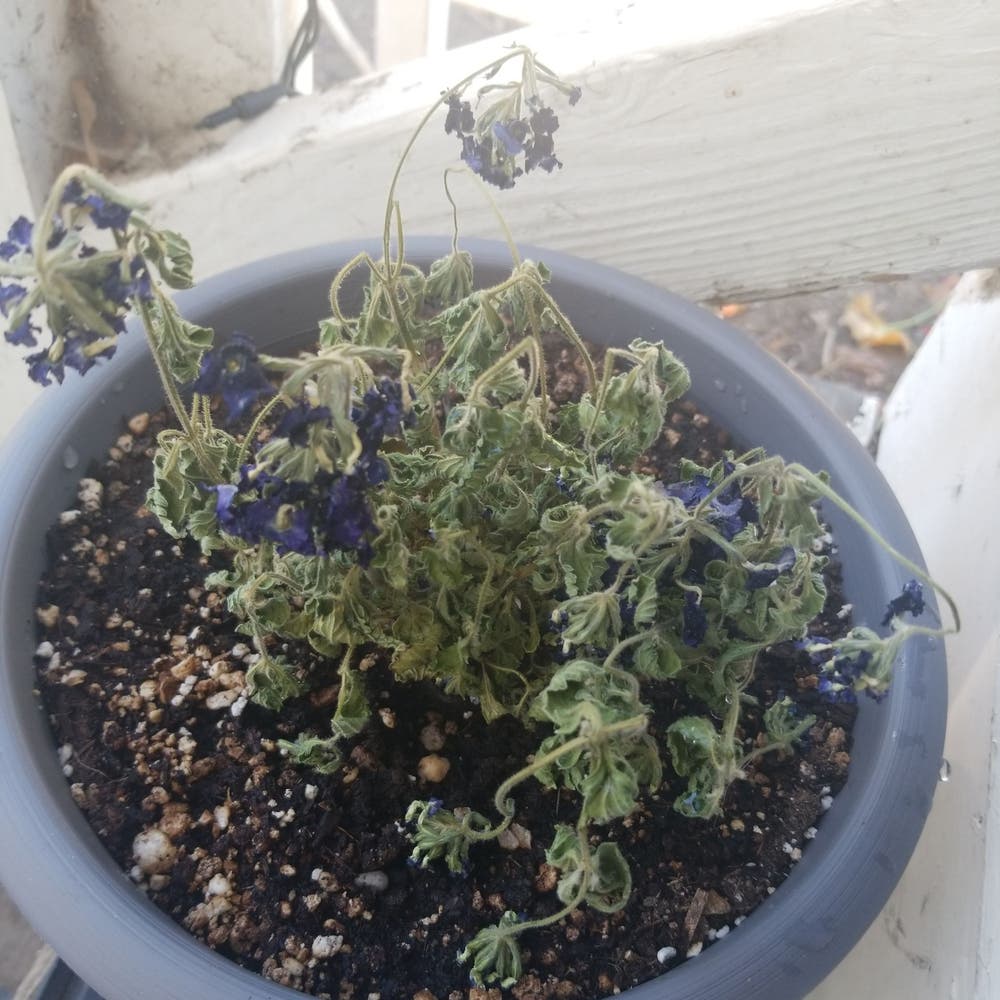
Be vigilant for visual indicators of humidity stress, such as leaf curling, discoloration, and wilting. Behavioral changes like reduced growth and flowering rates can also signal humidity issues.
Understanding and managing humidity is key to keeping your Trailing Purple Verbena healthy and vibrant. With the right strategies in place, you can create an ideal environment for your plants to flourish. Next, let’s explore effective tools for monitoring humidity levels in your garden.
⚠️ Safety First
This content is for general information and may contain errors, omissions, or outdated details. It is not medical, veterinary advice, or an endorsement of therapeutic claims.
Always consult a qualified healthcare professional before using any plant as food, medicine, or supplement.
Never eat any plant (or feed one to pets) without confirming its identity with at least two trusted sources.
If you suspect poisoning, call Poison Control (800) 222-1222, the Pet Poison Helpline (800) 213-6680, or your local emergency service immediately.
Spotted an error? Please report it here.
Master your Trailing Purple Verbena's humidity needs 🌧️ with Greg's tailored reminders and tips, ensuring your plant thrives in its ideal environment!