🌸 7 Essential Steps to Grow Healthy Trailing Purple Verbena
Verbena canadensis
By the Greg Editorial Team
Oct 04, 2024•5 min read
This article was created with the help of AI so we can cover more plants for you. May contain errors. See one? Report it here.
Cultivate stunning trailing purple verbena 🌸 with expert tips for thriving blooms and vibrant gardens!
- ☀️ Trailing purple verbena needs 6-8 hours of sunlight daily for optimal growth.
- 🌱 Use well-draining soil and maintain pH between 6.0 and 7.0 for health.
- 💧 Water weekly, adjusting for heat; watch for signs of over or underwatering.
Choosing the Right Location
🌞 Sunlight Requirements
To thrive, trailing purple verbena needs full sun, requiring at least 6-8 hours of direct sunlight daily. This exposure is crucial for vibrant flowering and overall plant health.
🌿 Outdoor vs. Container Growing
When it comes to outdoor planting, trailing purple verbena shines in garden beds and borders. Make sure to consider spacing and companion plants to maximize growth and aesthetics.
For those opting for container gardening, the benefits include mobility and added visual appeal. Aim for pots that are 10-12 inches in diameter to ensure optimal growth and drainage.
Choosing the right location is the first step in cultivating healthy trailing purple verbena. Next, let’s dive into soil preparation to set the stage for robust growth.
Soil Preparation
Ideal Soil Type 🌱
To grow healthy trailing purple verbena, start with well-draining soil. This is crucial to prevent root rot, which can be detrimental to your plants.
For the best results, mix 50% potting soil, 30% perlite, and 20% compost. This combination provides the right balance of nutrients and drainage.
pH Levels and Amendments ⚗️
Maintaining the right pH is essential for optimal growth. Aim for a pH range of 6.0 to 7.0 to ensure your verbena thrives.
If your soil is too acidic, you can raise the pH by adding lime. Conversely, sulfur can help lower it if the soil is too alkaline.
With the right soil preparation, your trailing purple verbena will be set up for success. Next, let’s explore effective planting techniques to ensure they flourish in their new environment.
Planting Techniques
Spacing and Depth 🌱
When planting your trailing purple verbena outdoors, aim for a spacing of 12-18 inches apart. This distance allows each plant to thrive without competing for nutrients and sunlight.
Ensure that the crown of each plant is level with the soil surface. This positioning is crucial for healthy growth and prevents issues like rot.
Timing for Planting ⏰
The best time to plant your verbena is in the spring, right after the last frost. This timing gives your plants a head start in the growing season.
If you live in a warmer climate, consider fall planting as well. This can extend your growing season and provide a vibrant display for months.
Watering Practices
Frequency and Amount 🌊
Watering your trailing purple verbena is crucial for its health. Aim for a schedule of once a week, but increase frequency during extreme heat to keep your plants thriving.
Deep watering is essential. This encourages robust root growth, allowing your verbena to absorb nutrients effectively.
Signs of Overwatering or Underwatering 🚨
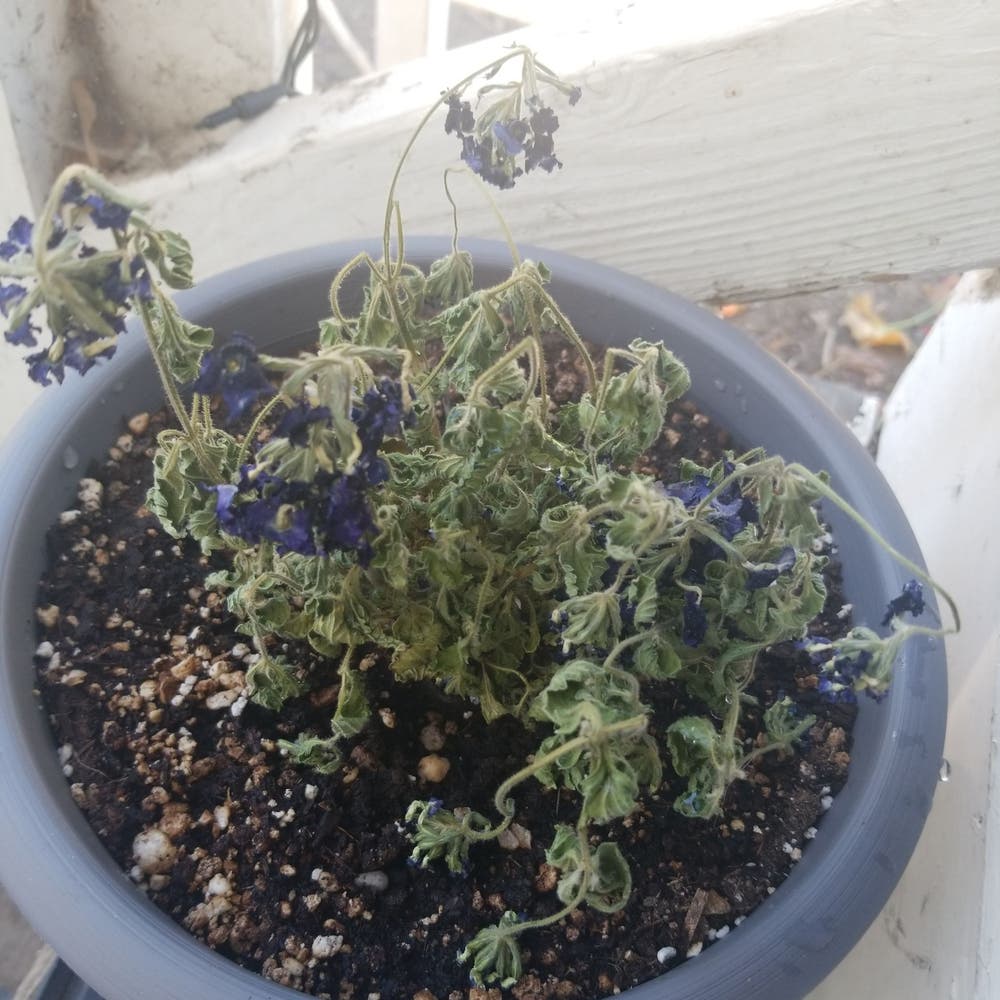
Recognizing the signs of overwatering is vital. Look for yellowing leaves, wilting, and root rot, which indicate your plants are drowning.
On the flip side, underwatering shows itself through wilting, dry leaves, and stunted growth. Keep an eye on your plants to ensure they’re getting just the right amount of water.
Understanding these watering practices will set you on the path to a flourishing garden. Next, let’s explore common challenges and solutions to keep your verbena healthy and vibrant.
Common Challenges and Solutions
🐛 Pests and Diseases
Trailing purple verbena can face a few common challenges that every gardener should be aware of.
- Powdery Mildew: This fungal disease loves humid conditions and can quickly spread if not addressed.
- Aphids: These tiny pests can sap the strength from your plants, leading to weakened growth.
🧼 Pest Control Methods
Fortunately, there are effective ways to combat these issues.
- Organic Options: Neem oil and insecticidal soap are great for controlling aphids without harming beneficial insects.
- Cultural Practices: Good air circulation is key to preventing powdery mildew. Ensure your plants have enough space to breathe.
🌪️ Environmental Stressors
Beyond pests, environmental factors can also stress your verbena.
- Heat Stress: Look for signs like wilting and leaf drop, which indicate your plants are struggling.
- Poor Drainage: This can lead to root rot, a serious issue that can devastate your plants.
By staying vigilant and proactive, you can keep your trailing purple verbena thriving despite these challenges. Next, let’s explore some advanced techniques to enhance your gardening success.
Advanced Techniques
Propagation Methods 🌱
Seed vs. Cutting Propagation
Seed Propagation
Starting your verbena from seeds can be rewarding. Begin indoors 8-10 weeks before the last frost, ensuring a warm, moist environment for germination.
Cutting Propagation
For a quicker route, consider cuttings. Select healthy stems that are 4-6 inches long and use a rooting medium of perlite and peat to encourage growth.
Companion Planting 🌼
Companion planting can enhance the health and aesthetics of your garden.
- Marigolds: These vibrant flowers act as natural pest deterrents, keeping harmful insects at bay.
- Petunias: Their complementary colors and growth habits make them perfect companions for trailing purple verbena, adding visual appeal to your garden.
By employing these advanced techniques, you can ensure your trailing purple verbena thrives and flourishes. Next, let's explore common challenges and effective solutions to keep your plants healthy and vibrant.
⚠️ Safety First
This content is for general information and may contain errors, omissions, or outdated details. It is not medical, veterinary advice, or an endorsement of therapeutic claims.
Always consult a qualified healthcare professional before using any plant as food, medicine, or supplement.
Never eat any plant (or feed one to pets) without confirming its identity with at least two trusted sources.
If you suspect poisoning, call Poison Control (800) 222-1222, the Pet Poison Helpline (800) 213-6680, or your local emergency service immediately.
Spotted an error? Please report it here.
Grow vibrant trailing purple verbena 🌸 effortlessly with Greg's tailored care reminders and expert tips to keep your plants thriving all season long!