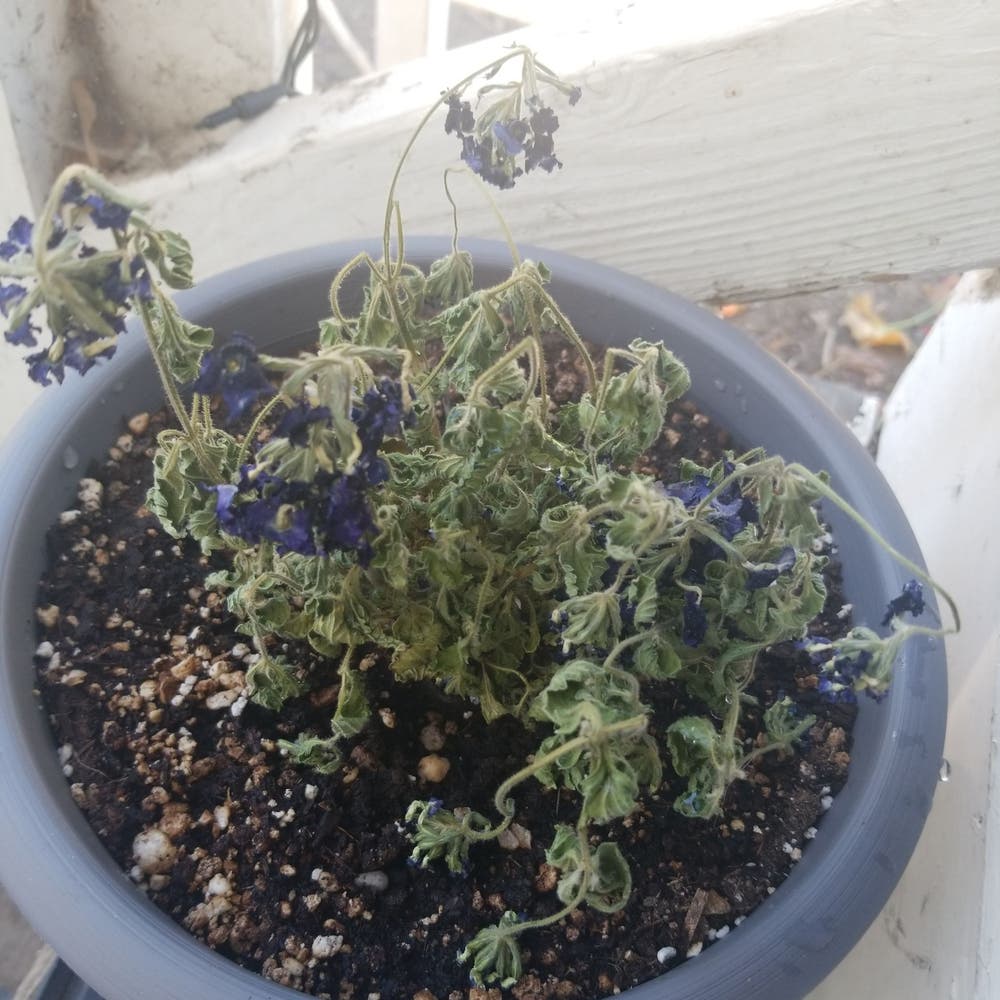
Reasons Trailing Purple Verbena Leaves Turn Yellow 🍂
Verbena canadensis
By the Greg Editorial Team
Oct 04, 2024•4 min read
This article was created with the help of AI so we can cover more plants for you. May contain errors. See one? Report it here.
Revive your yellowing trailing purple verbena 🌱 with these expert tips for vibrant, healthy growth! 🌼
- 🌱 Yellowing leaves indicate nutrient deficiencies, especially nitrogen and iron.
- 💧 Overwatering and underwatering both cause yellowing; maintain consistent moisture and drainage.
- 🐛 Pests like aphids can distort growth and yellow leaves; monitor regularly for infestations.
Causes of Yellowing Leaves
🌱 Nutrient Deficiencies
Nitrogen Deficiency
Nitrogen deficiency is a common issue that manifests as yellowing of older leaves and stunted growth. This essential nutrient plays a crucial role in overall plant health and vigor, making it vital for your trailing purple verbena.
Iron Chlorosis
Iron chlorosis presents itself as yellowing between leaf veins, while the veins themselves remain green. This condition often arises from high soil pH or poor drainage, which can hinder nutrient uptake.
💧 Watering Issues
Overwatering Symptoms
Overwatering can lead to yellowing leaves, wilting, and even root rot. Ensuring well-draining soil is essential to prevent waterlogging and keep your verbena thriving.
Underwatering Symptoms
On the flip side, underwatering results in dry, crispy leaves, yellowing, and drooping. Consistent moisture is key to promoting healthy growth in your plants.
🐛 Pest Infestations
Common Pests Affecting Verbena
Aphids and spider mites are common culprits that can wreak havoc on your verbena. Aphids are small, green insects that cause leaf curling and yellowing, while spider mites leave fine webbing and stippled leaves in their wake.
Signs of Pest Damage
Look for yellowing leaves, distorted growth, and visible pests on the foliage. Early detection is crucial for effective pest management.
🍄 Fungal Diseases
Root Rot
Root rot is a serious condition characterized by yellowing leaves, mushy roots, and wilting plants. It often results from overwatering and poor soil drainage, making it essential to monitor your watering habits.
Powdery Mildew
Powdery mildew appears as white powdery spots on leaves, which can lead to yellowing. This fungal disease thrives in high humidity and poor air circulation, so maintaining good airflow is vital for prevention.
Understanding these causes will help you diagnose and treat your trailing purple verbena effectively. Next, we’ll explore how to identify the specific issues affecting your plants and implement effective treatments.
Diagnosis and Treatment
Identifying the Cause of Yellowing 🌼
To tackle yellowing leaves on your trailing purple verbena, start by assessing the plant's health. Check the soil moisture, inspect for pests, and evaluate nutrient levels to pinpoint the issue.
Step-by-Step Treatment for Nutrient Deficiencies 🧪
- Conduct a soil test to determine nutrient levels.
- Apply the appropriate fertilizer based on the deficiency, such as nitrogen-rich options for nitrogen deficiency.
- Monitor the plant's response over the next 2-4 weeks to gauge improvement.
Adjusting Watering Practices 💧
- Check soil moisture using the finger test, digging 1-2 inches deep.
- Water only when the top inch of soil feels dry to the touch.
- Ensure your pots have drainage holes to prevent water accumulation.
Pest Control Methods 🐞
For pest issues, consider organic options like neem oil or insecticidal soap. Regular monitoring and early intervention can help prevent infestations from taking hold.
Fungal Disease Management 🍄
If you suspect root rot, reduce watering and improve drainage, possibly repotting the plant. For powdery mildew, increase air circulation and apply fungicides if necessary to keep your verbena healthy.
By following these diagnosis and treatment steps, you can restore your trailing purple verbena to its vibrant state. Next, let’s explore effective prevention strategies to keep your plants thriving.
Prevention Strategies
Best Practices for Watering 🌊
Watering your trailing purple verbena correctly is crucial for its health. Aim to water deeply but infrequently, which encourages deep root growth.
Using a moisture meter can help you determine the precise watering needs of your plants. This tool ensures you don’t overwater or underwater, both of which can lead to yellowing leaves.
Soil Selection and Drainage Tips 🪴
Choosing the right soil mix is essential for preventing yellowing leaves. Opt for a well-draining potting mix that includes perlite or sand to enhance drainage.
Additionally, ensure your pots have adequate drainage holes. This prevents water from accumulating at the bottom, which can lead to root rot.
Fertilization Schedule 🥦
A consistent fertilization schedule can keep your verbena thriving. Fertilize every 4-6 weeks during the growing season with a balanced fertilizer to provide essential nutrients.
Be sure to adjust your fertilization based on soil test results. This tailored approach helps address specific nutrient deficiencies.
Sunlight and Location Considerations ☀️
Positioning your verbena in the right spot can make a significant difference. Aim for full sun exposure, ideally 6-8 hours daily, to promote optimal growth.
Avoid shaded areas, as they can lead to weak, leggy growth. A sunny location helps your plants flourish and reduces the risk of yellowing leaves.
By implementing these prevention strategies, you can maintain the vibrant health of your trailing purple verbena. Next, let’s explore how to diagnose and treat yellowing leaves effectively.
⚠️ Safety First
This content is for general information and may contain errors, omissions, or outdated details. It is not medical, veterinary advice, or an endorsement of therapeutic claims.
Always consult a qualified healthcare professional before using any plant as food, medicine, or supplement.
Never eat any plant (or feed one to pets) without confirming its identity with at least two trusted sources.
If you suspect poisoning, call Poison Control (800) 222-1222, the Pet Poison Helpline (800) 213-6680, or your local emergency service immediately.
Spotted an error? Please report it here.
Keep your trailing purple verbena vibrant 🌱 by using Greg's tailored care tips and reminders to tackle yellowing leaves and ensure optimal growth!