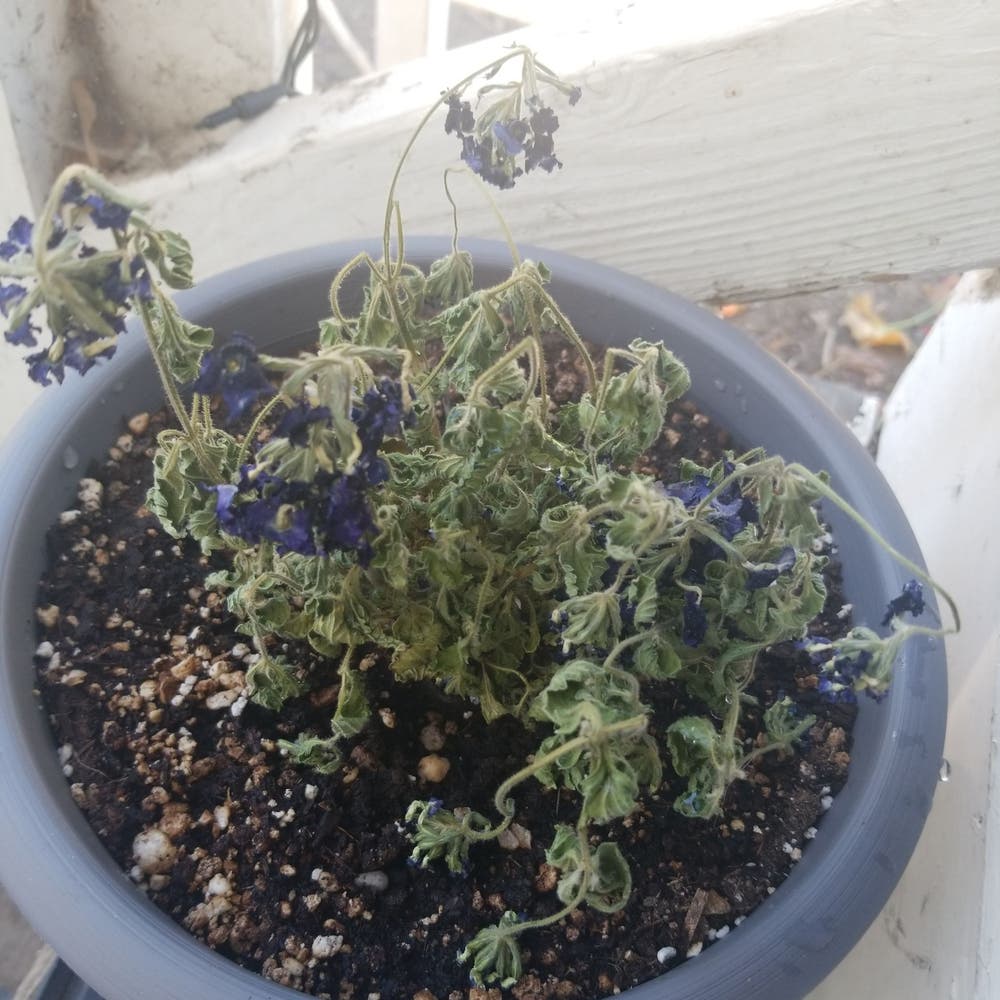
Trailing Purple Verbena is Not an Invasive Plant
Verbena canadensis
By the Greg Editorial Team
Oct 04, 2024•6 min read
This article was created with the help of AI so we can cover more plants for you. May contain errors. See one? Report it here.
Transform your garden with Trailing Purple Verbena's beauty while nurturing local ecosystems! 🌼🌱
- 🌱 Trailing Purple Verbena is non-invasive, coexisting peacefully with native plants.
- 🌼 Attracts pollinators like bees and butterflies, enhancing local biodiversity.
- 🌞 Thrives in full sun and well-draining soil, making it low-maintenance and drought-tolerant.
Plant Classification
Definition of Invasive Species 🌱
Invasive species are non-native plants that aggressively spread, outcompeting local flora and disrupting ecosystems. They typically exhibit rapid growth, high reproductive rates, and thrive in a variety of conditions.
Why Trailing Purple Verbena is Not Invasive 🌼
Trailing Purple Verbena stands out as a non-invasive option. It does not show aggressive growth patterns and is not known to outcompete native species.
This plant primarily spreads through self-seeding, but it does so in a controlled manner. This allows it to coexist harmoniously with other plants in the garden.
By understanding these characteristics, gardeners can appreciate the role of Trailing Purple Verbena in promoting a balanced ecosystem.
As we explore its growth habits next, we’ll see how this plant fits into various garden designs and environments.
Growth Habits
🌱 Typical Growth Patterns in Gardens
Trailing Purple Verbena thrives as a perennial in warmer climates, while in cooler regions, it behaves as an annual. Typically, it reaches heights of 2-4 feet and spreads 1-2 feet wide, making it perfect for hanging baskets, borders, and ground cover.
🚧 Natural Limits to Growth and Spread Potential
This plant prefers well-draining soil and full sun, requiring 6-8 hours of sunlight daily. Its ability to tolerate drought and poor soil conditions means less frequent watering, making it a low-maintenance choice for gardeners.
🌼 Seasonal Growth Cycle
In spring, Trailing Purple Verbena emerges with fresh growth and begins to flower. Summer marks its peak blooming period, attracting a variety of pollinators, while fall brings seed production and potential self-seeding.
During winter, it may go dormant in cooler climates, but rest assured, it often returns in spring, ready to bloom again. This seasonal cycle not only enhances garden aesthetics but also supports local wildlife throughout the year.
With its adaptable nature and vibrant blooms, Trailing Purple Verbena is an excellent choice for any garden enthusiast looking to add beauty and sustainability. Next, we’ll explore its ecological role and the benefits it brings to local wildlife.
Ecological Role
Benefits to Local Wildlife 🐝
Trailing Purple Verbena is a magnet for pollinators, especially bees and butterflies. By attracting these essential creatures, it plays a vital role in enhancing biodiversity in your garden.
Habitat for Birds and Beneficial Insects 🦋
This plant not only provides nectar but also offers habitat for various birds and beneficial insects. Its presence can create a lively ecosystem, supporting a range of wildlife.
Positive Interactions with Other Plants 🌱
In the garden, Trailing Purple Verbena shines in companion planting. It enhances growth and pest resistance when paired with other plants, promoting a healthier garden environment.
Drought-Tolerant Partnerships 💧
It thrives alongside other drought-tolerant species, contributing to a sustainable ecosystem. This synergy helps gardens flourish with minimal water usage.
Role in Supporting Biodiversity 🌍
Trailing Purple Verbena enriches the garden landscape, fostering a diverse environment. Its ability to support various species promotes ecological balance, making it a valuable addition to any garden.
This plant's ecological contributions are not just beneficial; they are essential for creating a thriving garden ecosystem. Next, let’s explore how to effectively incorporate Trailing Purple Verbena into your garden designs.
Garden Management
Effective Incorporation into Garden Designs 🌼
Trailing Purple Verbena is a versatile choice for your garden. It shines in borders, hanging baskets, and as ground cover, creating a lush, colorful display.
Combining it with other flowering plants can enhance visual appeal. The vibrant purple clusters contrast beautifully with various colors, making your garden pop.
Aesthetic Considerations and Maintenance Tips 🌿
To keep your Verbena blooming longer, regular deadheading is key. This simple task encourages more flowers and keeps your garden looking fresh.
Fortunately, this plant is low-maintenance. Its drought-tolerant nature means less frequent watering, allowing you to enjoy your garden without constant upkeep.
Methods for Controlling Growth if Necessary ✂️
While Trailing Purple Verbena is generally well-behaved, monitoring self-seeding is wise. If seedlings become too dense, thinning them out will maintain balance.
Using mulch can also help manage growth. It suppresses unwanted plants in specific areas, ensuring your garden remains tidy and organized.
With these management tips, you can enjoy the beauty of Trailing Purple Verbena while keeping your garden thriving. Next, let’s explore how this plant interacts positively with local wildlife and supports biodiversity.
Comparison to Other Plants
🌼 Similar Non-Invasive Plants for Comparison
When considering non-invasive flowering plants, Lantana and Salvia stand out. Lantana offers vibrant clusters of flowers but can be more aggressive in growth compared to Trailing Purple Verbena.
Salvia, known for its striking blue and purple hues, also attracts pollinators. However, it typically requires more maintenance and water than the drought-tolerant Verbena.
🌸 Unique Qualities of Trailing Purple Verbena
Trailing Purple Verbena is characterized by its tall, slender stems adorned with clusters of vibrant purple flowers. This plant not only adds a splash of color but also thrives with minimal care, making it a favorite among gardeners.
Its drought-tolerant nature allows it to flourish in various garden styles, from casual to formal landscapes. This adaptability makes it a versatile choice for any outdoor space.
🌿 Benefits Over Other Flowering Plants
One of the standout features of Trailing Purple Verbena is its longer blooming period, which can extend from spring through fall. This extended display of color attracts a diverse range of pollinators, including bees and butterflies.
Additionally, its versatility in garden design allows it to complement other plants beautifully. Whether used in borders, hanging baskets, or as ground cover, it enhances the overall aesthetic while supporting local wildlife.
As you explore the world of non-invasive plants, Trailing Purple Verbena proves to be a remarkable choice that balances beauty and ecological responsibility.
Legal and Environmental Considerations
🌱 Sustainable Gardening Practices
Incorporating Trailing Purple Verbena into your garden is a fantastic way to promote sustainability. This plant not only supports biodiversity but also reduces water usage, making it a smart choice for eco-conscious gardeners.
Using native and non-invasive plants like Trailing Purple Verbena encourages a healthier garden ecosystem. It creates a vibrant space that benefits both the environment and your gardening efforts.
🌍 Environmental Impact of Trailing Purple Verbena
The environmental impact of Trailing Purple Verbena is largely positive. It enhances local ecosystems instead of disrupting them, making it a responsible choice for any garden.
This plant contributes to soil health and provides habitats for local wildlife. By attracting pollinators and beneficial insects, it plays a crucial role in maintaining ecological balance.
📋 Guidelines for Responsible Planting
When planting Trailing Purple Verbena, it's essential to follow local guidelines. This ensures that your gardening practices align with the ecological context of your area.
Consider the compatibility of your garden with local flora and fauna. Responsible planting not only benefits your garden but also supports the surrounding environment, fostering a thriving ecosystem.
As you plan your garden, remember that every plant choice matters. Embracing sustainable practices today leads to a healthier, more vibrant garden tomorrow.
⚠️ Safety First
This content is for general information and may contain errors, omissions, or outdated details. It is not medical, veterinary advice, or an endorsement of therapeutic claims.
Always consult a qualified healthcare professional before using any plant as food, medicine, or supplement.
Never eat any plant (or feed one to pets) without confirming its identity with at least two trusted sources.
If you suspect poisoning, call Poison Control (800) 222-1222, the Pet Poison Helpline (800) 213-6680, or your local emergency service immediately.
Spotted an error? Please report it here.
Transform your garden with the stunning Trailing Purple Verbena 🌸, a non-invasive beauty that attracts pollinators, and let Greg help you thrive with personalized care tips for a flourishing ecosystem!