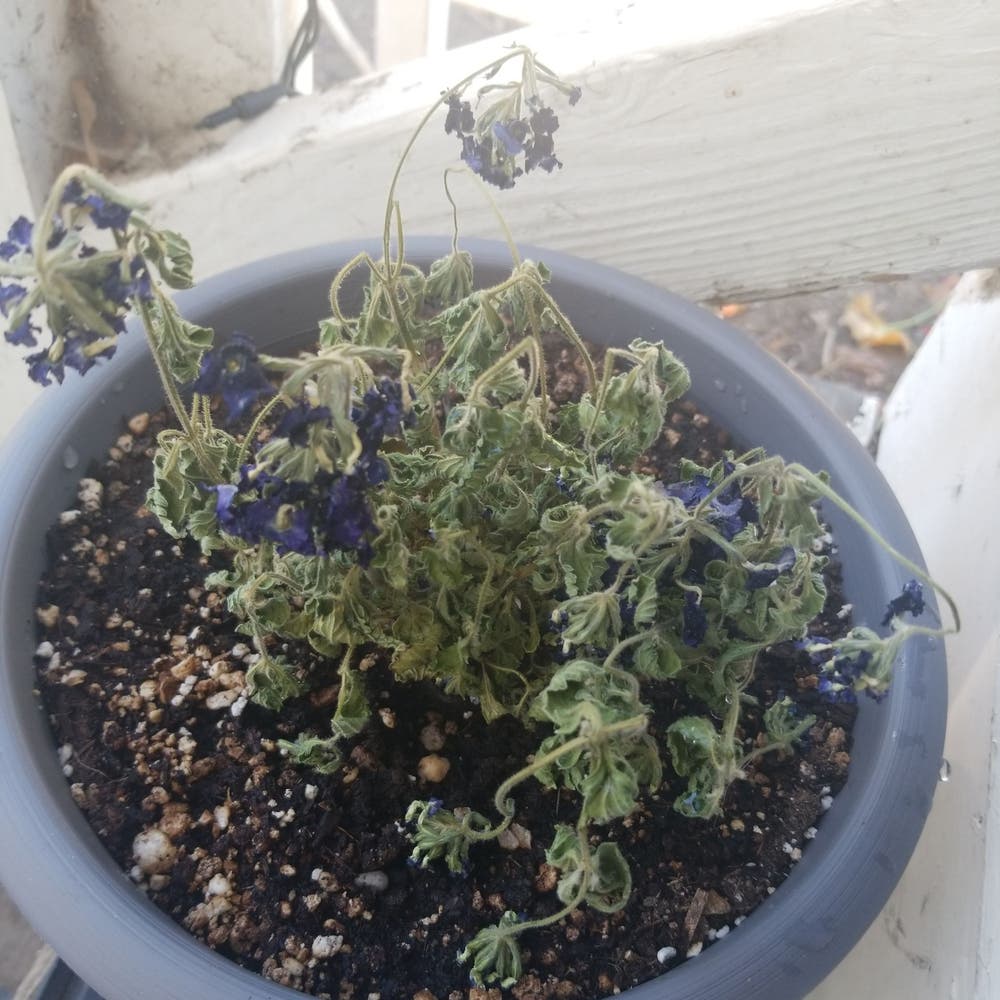
🌸 How to Fix Brown Spots on Your Trailing Purple Verbena
Verbena canadensis
By the Greg Editorial Team
Oct 04, 2024•6 min read
This article was created with the help of AI so we can cover more plants for you. May contain errors. See one? Report it here.
Revive your trailing purple verbena from brown spots to brilliance with these essential care tips! 🌱
- 🌧️ Overwatering and underwatering cause brown spots; check soil moisture regularly.
- 🦠 Fungal infections and pests lead to brown spots; inspect plants frequently for early signs.
- 🌱 Nutrient deficiencies can also cause issues; use balanced fertilizers for healthy growth.
Causes of Brown Spots
💧 Overwatering and Root Rot
Overwatering can lead to several distress signals in your trailing purple verbena. Look for yellowing leaves, wilting despite wet soil, and mushy roots as key symptoms.
Root rot occurs when fungal pathogens thrive in waterlogged conditions, causing root decay. Ensuring well-drained soil is crucial to prevent this issue.
🚰 Underwatering and Leaf Stress
On the flip side, underwatering can also cause brown spots. Symptoms include crispy, brown leaf edges and drooping foliage.
Drought stress can trigger these brown spots as a response to insufficient moisture. Maintaining consistent watering without waterlogging is essential for healthy plants.
🍄 Fungal Infections
Powdery Mildew
Powdery mildew is a common fungal infection characterized by white, powdery spots on leaves. If left untreated, these spots can lead to brown discoloration.
High humidity and poor air circulation create ideal conditions for this fungus. To combat it, consider using fungicides and improving airflow around your plants.
🐜 Pest Infestations
Aphids
Aphids are notorious for leaving sticky residue, known as honeydew, on your plants. Look for curled leaves and visible insects as signs of infestation.
These pests feed on sap, which can lead to brown spots and stunted growth. Early detection is key to managing their impact.
🕷️ Spider Mites
Spider mites can be identified by fine webbing and stippled leaves. Their feeding habits cause leaf discoloration and weaken the plant.
Control methods include using insecticidal soap and introducing beneficial insects to keep their population in check.
🥦 Nutrient Deficiencies
Nitrogen Deficiency
A nitrogen deficiency manifests as yellowing leaves with brown spots and stunted growth. Nitrogen is essential for leaf development and overall plant vigor.
Addressing this deficiency can significantly improve your verbena's health.
🍌 Potassium Deficiency
Brown spots on leaf edges and weak stems are signs of potassium deficiency. Potassium plays a vital role in water regulation and disease resistance.
Ensuring your plant receives adequate potassium can help prevent these issues.
Understanding these causes is the first step toward restoring your trailing purple verbena to its vibrant self. Next, we’ll dive into how to diagnose these brown spots effectively.
Diagnosing Brown Spots
💧 Identifying Symptoms of Overwatering
Overwatering can lead to several distress signals from your trailing purple verbena. Look for wilting leaves, yellowing foliage, and mushy roots, which indicate that the plant is struggling to breathe.
To confirm overwatering, perform a soil test. Check for sogginess and poor drainage, as these conditions can suffocate the roots and promote root rot.
🌵 Recognizing Signs of Underwatering
Underwatering presents its own set of challenges. Symptoms include dry, crispy edges on leaves and drooping foliage, signaling that your plant is thirsty.
To assess moisture levels, use the finger test. Insert your finger into the soil; if it feels dry beyond the top inch, it's time to water.
🐛 Distinguishing Between Fungal and Pest Damage
Identifying the source of brown spots is crucial for effective treatment. Fungal infections often manifest as spots or powdery residues on the leaves, while pests may leave behind webs or sticky residue.
A close inspection is essential. Using a magnifying glass can help you spot the subtle signs of either issue, allowing for timely intervention.
🌤️ Assessing Environmental Factors Affecting Health
Environmental conditions play a significant role in your plant's well-being. Start by evaluating sunlight exposure; ensure your verbena receives adequate light without being scorched by extreme heat.
Additionally, monitor temperature fluctuations. Sudden changes can stress the plant, leading to further complications like brown spots.
By carefully diagnosing these issues, you can take the necessary steps to restore your trailing purple verbena to its vibrant self. Next, let's explore effective treatment options to tackle these brown spots head-on.
Treatment Options
Adjusting Watering Practices 🌊
Establishing a consistent watering schedule is crucial. Water your trailing purple verbena when the top inch of soil feels dry to the touch.
To check soil moisture, you can use a moisture meter or simply perform a finger test. This ensures you’re not over or under-watering, which can lead to brown spots.
Monitor your plant's leaf health after making these adjustments. Signs of improvement will include vibrant leaves and overall better growth.
Applying Fungicides for Fungal Infections 🦠
When dealing with fungal infections, you have options. Choose between organic fungicides or chemical treatments based on your preference and the severity of the issue.
Apply fungicides by spraying them directly on the affected areas. Always follow the label instructions for the best results and safety.
Treating Pests with Insecticidal Soap 🐞
For pest control, insecticidal soap is an effective solution. Apply it every 7-10 days until you notice a significant reduction in pests.
Make sure to cover all leaf surfaces thoroughly. This ensures that pests hiding in hard-to-reach spots are also eliminated.
Fertilizing for Nutrient Deficiencies 🌱
To address nutrient deficiencies, consider using balanced NPK fertilizers or specific nutrient supplements. These will help restore your plant’s vigor.
Timing is key; apply fertilizers during the growing season for optimal results. This will support healthy growth and prevent further issues.
Pruning Affected Leaves ✂️
Pruning is essential when you notice symptoms of distress. Remove affected leaves as soon as you identify them to prevent further spread.
Use clean, sharp pruning shears for this task. This not only helps in maintaining plant health but also minimizes the risk of infection.
With these treatment options, your trailing purple verbena can bounce back beautifully. Next, let’s explore preventive measures to keep your plant thriving long-term.
Preventive Measures
Best Watering Practices 🌊
Effective watering is crucial for your trailing purple verbena. Deep watering encourages robust root growth, ensuring your plant thrives.
Proper drainage is equally important. Always check that your pots or garden beds have adequate drainage holes to prevent waterlogging.
Soil Selection and Drainage Tips 🏺
Choosing the right soil can make a significant difference. Opt for a well-draining potting mix or sandy loam to support healthy growth.
Consider adding soil amendments like perlite or sand. These can enhance drainage, keeping your verbena's roots happy and healthy.
Regular Inspection for Pests and Diseases 🔍
Regular inspections are key to early detection of issues. Aim for weekly checks to catch any problems before they escalate.
Look for changes in leaf color, texture, or any visible pests. Early intervention can save your plant from serious damage.
Optimal Sunlight Exposure ☀️
Your verbena loves the sun! Aim for at least six hours of full sunlight daily to keep it vibrant and flourishing.
During extreme heat, provide some shade. This can help mitigate sunburn and keep your plant healthy.
Seasonal Care Adjustments 🍂
Adjust your care routine with the changing seasons. In summer, your verbena may need more frequent watering, while winter calls for less.
Stay vigilant about environmental changes. Adapting your care practices ensures your plant remains in top shape year-round.
By implementing these preventive measures, you can keep your trailing purple verbena healthy and vibrant. Next, let’s explore how to diagnose brown spots effectively.
⚠️ Safety First
This content is for general information and may contain errors, omissions, or outdated details. It is not medical, veterinary advice, or an endorsement of therapeutic claims.
Always consult a qualified healthcare professional before using any plant as food, medicine, or supplement.
Never eat any plant (or feed one to pets) without confirming its identity with at least two trusted sources.
If you suspect poisoning, call Poison Control (800) 222-1222, the Pet Poison Helpline (800) 213-6680, or your local emergency service immediately.
Spotted an error? Please report it here.
Transform your trailing purple verbena from distressed to delightful 🌼 with Greg's tailored care tips and reminders that ensure your plant stays healthy and vibrant!