🌸 Ultimate Guide to Trailing Purple Verbena Roots
Verbena canadensis
By the Greg Editorial Team
Oct 04, 2024•5 min read
This article was created with the help of AI so we can cover more plants for you. May contain errors. See one? Report it here.
Discover how mastering root care can transform your Trailing Purple Verbena into a vibrant garden star! 🌱✨
- 🌱 Trailing Purple Verbena has fibrous roots for better nutrient and water absorption.
- 💧 Avoid overwatering to prevent root rot; well-draining soil is essential.
- 🌿 Healthy roots enable successful propagation through division or cuttings for vibrant growth.
Root System Characteristics
Type of Root System 🌱
Trailing Purple Verbena features a fibrous root system. This network consists of thin, branching roots that spread horizontally, creating a robust foundation for the plant.
The advantages of this system are significant. It allows for efficient nutrient and water absorption while providing stability in various soil conditions.
Specific Characteristics 🌍
The roots of Trailing Purple Verbena are shallow yet extensive. They can spread widely, which enhances the plant's adaptability in different environments.
This extensive spread also contributes to the plant's resilience to drought. By accessing moisture from a larger area, these roots ensure the plant remains healthy even in challenging conditions.
Understanding these root characteristics is essential for successful cultivation. With the right care, your Verbena can thrive in diverse settings.
Root Depth and Spread
Growth Patterns 🌱
Trailing Purple Verbena typically boasts a shallow root depth, reaching between 12 to 18 inches. This characteristic allows the plant to thrive in various environments while maintaining stability.
Roots can spread impressively, extending up to 2 to 3 feet horizontally. This expansive reach is influenced by soil conditions and moisture availability, making it adaptable to different growing situations.
Influencing Factors 🌍
Soil type plays a crucial role in root spread. Well-draining soils promote healthier and more extensive root systems, allowing the plant to access nutrients efficiently.
Water availability is another key factor. Adequate moisture encourages roots to expand further, enhancing the plant's overall resilience and growth potential.
Understanding these dynamics can help you cultivate a thriving Trailing Purple Verbena, ensuring it flourishes in your garden or home. As we move forward, let’s explore how to effectively water and fertilize this beautiful plant for optimal health.
Watering and Fertilizing
Watering Needs 🌊
Trailing Purple Verbena thrives on consistent moisture, but it's crucial to avoid waterlogging due to its shallow root system. Overwatering can lead to root rot, so aim for a balance that keeps the soil evenly moist.
To simplify your watering routine, consider using the Greg plant care app. This handy tool offers AI-powered reminders tailored to your plant's needs, ensuring you never miss a watering session.
Fertilization Techniques 🌱
Fertilizing your Verbena is essential for robust growth. Use a balanced NPK fertilizer every 4-6 weeks during the growing season to provide the nutrients your plant craves.
When applying fertilizer, incorporate it into the top layer of soil. This method effectively reaches the fibrous roots, promoting healthy development and vibrant blooms.
By mastering these watering and fertilizing techniques, you set the stage for a flourishing Trailing Purple Verbena. Next, let’s explore common root-related issues that can affect your plant's health.
Common Root-Related Issues
🕵️♂️ Identifying Problems
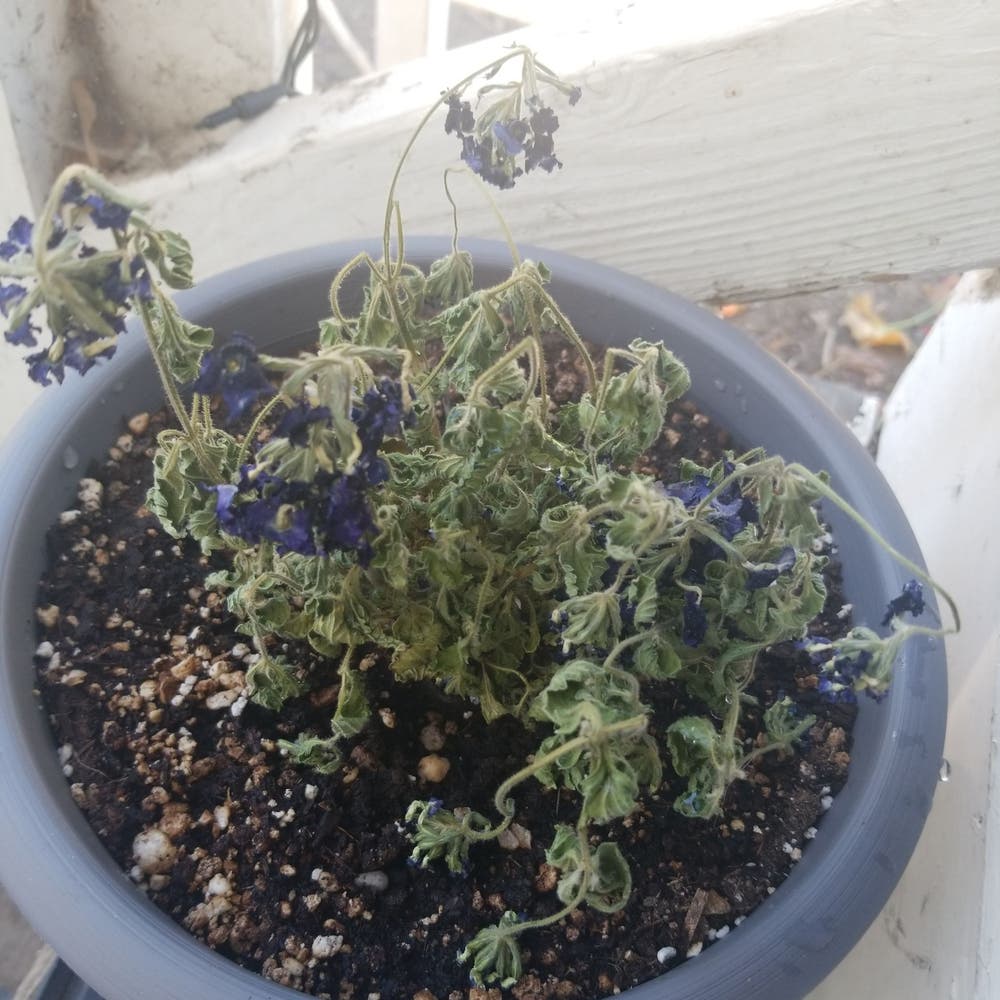
Root rot is a common issue for Trailing Purple Verbena. Symptoms include wilting, yellowing leaves, and mushy roots, which can signal that your plant is in trouble.
Pest infestations can also hinder growth. Look for signs like stunted growth and visible pests on the soil surface, as these can indicate a problem that needs addressing.
🛡️ Prevention and Solutions
To prevent root rot, ensure your soil is well-draining and avoid overwatering. This simple step can make a significant difference in keeping your Verbena healthy.
Managing pests requires vigilance. Regular inspections and the use of organic pest control methods can help keep your plants thriving and free from unwanted guests.
By staying proactive about these common root-related issues, you can maintain the health and vitality of your Trailing Purple Verbena. Next, we'll explore how to recognize and manage rootbound plants effectively.
Recognizing and Managing Rootbound Plants
Definition and Recognition 🌱
Rootbound plants occur when roots grow in circles within the pot, limiting their growth potential. You can identify a rootbound plant by checking for roots emerging from drainage holes, stunted growth, and poor water absorption.
Solutions 🛠️
To remedy a rootbound situation, repotting is essential. Choose a pot that is 1-2 inches larger in diameter and refresh the soil to give the roots more room to spread.
Another effective solution is pruning the roots. Trim any circling roots to encourage new growth and prevent future binding, ensuring your plant thrives in its new environment.
By addressing rootbound issues promptly, you can help your Trailing Purple Verbena flourish. This proactive approach not only enhances growth but also contributes to the overall health of your plant.
Next, let’s explore the importance of root health in propagation.
Importance of Root Health in Propagation
🌱 Role in Propagation
Healthy roots are the backbone of successful propagation for Trailing Purple Verbena. A robust root system not only supports new growth but also enhances the plant's resilience during the transition.
🛠️ Techniques
Division Method
To propagate through division, carefully separate clumps of roots. Ensure each section has healthy roots and foliage to maximize growth potential.
✂️ Propagation from Cuttings
For propagation from cuttings, take 4-6 inch segments from healthy stems. Remove the lower leaves and place them in water or soil until roots develop, setting the stage for new plants.
Understanding these techniques can significantly improve your propagation success. Healthy roots lead to thriving plants, making your gardening experience all the more rewarding.
⚠️ Safety First
This content is for general information and may contain errors, omissions, or outdated details. It is not medical, veterinary advice, or an endorsement of therapeutic claims.
Always consult a qualified healthcare professional before using any plant as food, medicine, or supplement.
Never eat any plant (or feed one to pets) without confirming its identity with at least two trusted sources.
If you suspect poisoning, call Poison Control (800) 222-1222, the Pet Poison Helpline (800) 213-6680, or your local emergency service immediately.
Spotted an error? Please report it here.
Cultivate a thriving Trailing Purple Verbena 🌿 by mastering its root care with Greg's tailored watering reminders and expert tips for vibrant blooms!