💧 How Do I Know When My Rose Vervain Needs Water?
Verbena canadensis
By the Greg Editorial Team
Feb 04, 2024•3 min read
This article was created with the help of AI so we can cover more plants for you. May contain errors. See one? Report it here.
Nurture your rose vervain to perfection by mastering its watering cues. 🌹🚿
- Wilting leaves? Time to water your rose vervain.
- Dry soil and hot days mean more frequent watering.
- Deep watering and drainage prevent overwatering and root rot.
Spotting the Thirsty Rose Vervain
🌱 Visual Distress Signals
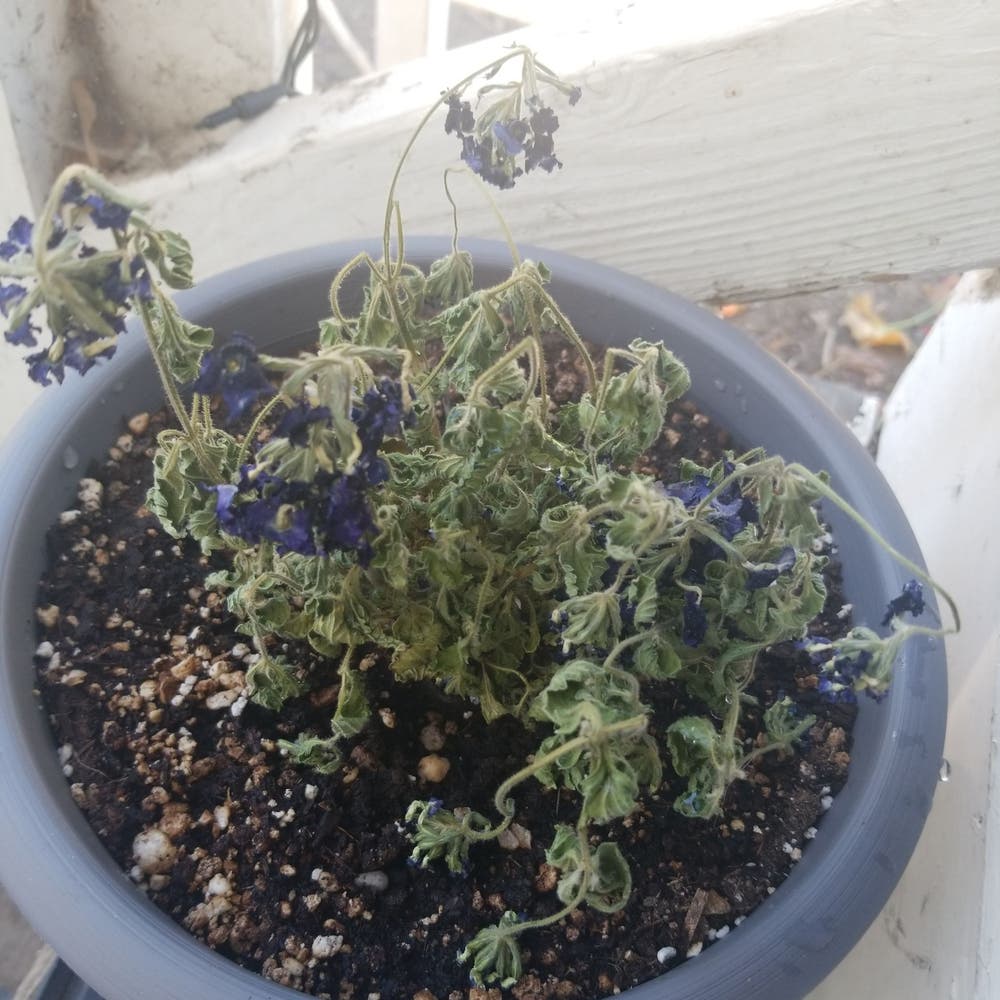
Wilting and drooping leaves are the rose vervain's cry for help, a clear sign it's time to water. Leaf curling and discoloration, such as yellowing or browning, are also red flags that your plant could be dehydrated or facing other issues.
🌿 Tactile and Environmental Clues
The feel of the soil can be very telling; dry soil means your rose vervain is likely parched. Environmental factors like hot, windy days can sap moisture faster, increasing the plant's need for water. Keep a close eye on these conditions to prevent your rose vervain from becoming too thirsty.
Watering Wisdom for Rose Vervain
💧 How Much is Just Right?
Determining the right amount of water for your rose vervain is more art than science. Stick your finger into the soil up to the first knuckle; if it's dry, it's time to water. Your plant prefers the soil to be on the drier side between waterings, so let the top inch become parched before reaching for the watering can.
📆 Frequency Finesse
Adjust your watering schedule with the seasons. During active growth in spring and summer, rose vervain may need more frequent watering. In cooler months, scale back. Always consider the environment: hot, windy days can leave your plant thirstier than usual, while rainy periods mean you can give the watering can a rest.
🌊 The Deep Watering Debate
Deep watering promotes robust root systems that can withstand drought better than shallow, frequent sips. Allow water to penetrate several inches into the soil, encouraging roots to grow deeper. This method reduces the need for frequent watering and builds a more resilient plant. However, ensure proper drainage to prevent waterlogging and the dreaded root rot.
The Perils of Overwatering
🌧️ Spotting the Symptoms
Yellowing leaves and a general look of unhappiness in your rose vervain could be a cry for help against overwatering. If the soil feels like a wet sponge days after watering, you've likely gone overboard. Root rot is the silent killer here, turning healthy white roots into a brown mushy mess. A telltale sign is a foul smell coming from the soil, indicating decay.
🚰 Prevention Practices
Preventing overwatering starts with proper drainage. Make sure your pots have holes in the bottom and consider adding a layer of gravel to encourage water flow. Always check the soil moisture before watering; if it's damp an inch below the surface, hold off on the H2O. And remember, your rose vervain isn't a fan of wet feet, so empty the saucer after watering to avoid a pool party at the roots.
Tailoring Watering to Your Rose Vervain's Life Cycle
🌱 Active Growth Phase
During the active growth phase, typically in spring and early summer, rose vervain is like a marathon runner in training—thirsty for more water. This is when you'll see the plant push out blooms and expand its greenery.
- Increase watering as the flower buds appear and throughout the blooming period.
- Ensure the soil is moist but not waterlogged to support this vigorous growth.
💤 Dormancy Dynamics
When rose vervain enters its dormancy phase, it's like a bear hibernating—slowing down and conserving energy.
- Reduce watering significantly as growth slows, usually in the late fall and winter.
- Allow the soil to dry out more between waterings to prevent root rot and other moisture-related issues.
⚠️ Safety First
This content is for general information and may contain errors, omissions, or outdated details. It is not medical, veterinary advice, or an endorsement of therapeutic claims.
Always consult a qualified healthcare professional before using any plant as food, medicine, or supplement.
Never eat any plant (or feed one to pets) without confirming its identity with at least two trusted sources.
If you suspect poisoning, call Poison Control (800) 222-1222, the Pet Poison Helpline (800) 213-6680, or your local emergency service immediately.
Spotted an error? Please report it here.
Ensure your rose vervain thrives 🌱 with Greg's personalized watering reminders, tailored to your plant's active growth and dormancy phases.