Rose Vervain Fertilizer: How and When to Use It
Verbena canadensis
By the Greg Editorial Team
Feb 04, 2024•5 min read
This article was created with the help of AI so we can cover more plants for you. May contain errors. See one? Report it here.
Nurture vibrant Rose Vervain blooms 🌹 with timely fertilizer tips that promise a flourishing garden!
- Phosphorus and potassium are key for blooms and plant health.
- Fertilize in early spring and late summer for year-round vibrancy.
- Dilute and time fertilizer properly to prevent over-fertilization.
Picking the Perfect Bloom-Boosting Fertilizer
💪 Understanding the P-K Ratio for Flower Power
Phosphorus: it's the wingman your Rose Vervain needs for show-stopping blooms. This nutrient is pivotal for flower formation, ensuring your garden becomes a floral paradise.
Potassium plays a supporting role, but don't let its subtlety fool you. It's the backbone of plant health during the flowering stage, keeping your blooms vibrant and vivacious.
🌟 Micronutrients: The Unsung Heroes
Micronutrients might not get the limelight, but they're crucial for that extra oomph in bloom quality. They're like the backup singers to your lead vocalist phosphorus, ensuring the whole performance is pitch-perfect.
Timing is Everything: When to Fertilize for Fabulous Flowers
🌸 Spring Awakening: Kickstarting the Growth Cycle
As spring unfurls, so should your fertilizer spreader. Early spring fertilization is crucial; it's like flipping the switch for your Rose Vervain's growth. This initial feed primes the roots, prepping them for a season of vibrant blooming.
🍂 The Late Summer Encore
Don't close the curtain after the first act. A late summer fertilizer application can breathe new life into your Rose Vervain, setting the stage for an autumnal encore. It's not just about keeping the show going; it's about ensuring your blooms come back for a standing ovation next year. Just remember, moderation is key—too much and you'll send your plants into a nutrient overload.
Fertilization Techniques: Feeding Your Rose Vervain Right
🌱 Soil Drenching vs. Foliar Feeding
Soil drenching is the go-to method for a steady nutrient uptake. It involves watering your Rose Vervain with a fertilizer solution, ensuring that the nutrients seep into the soil and reach the roots. This technique supports long-term health and is particularly effective when done in early morning or late afternoon to avoid evaporation.
Foliar feeding, on the other hand, is the plant equivalent of a quick snack. It involves spraying a diluted fertilizer solution directly onto the leaves. It's a fast-acting method that can address nutrient deficiencies almost immediately. However, it's not a substitute for soil drenching, as roots are the main nutrient highway for plants.
🧪 The Dilution Solution: Getting the Mix Just Right
The mantra here is less is more. Overdoing it with fertilizer is like giving your plants an all-you-can-eat buffet when they're not that hungry—it can lead to nutrient burn. To avoid this, dilute your fertilizer to half-strength, especially for potted Rose Vervain, which are more susceptible to over-fertilization due to their confined space.
Always follow the manufacturer's instructions for dilution rates, and when in doubt, err on the side of caution with a weaker solution. Regularly check your plants for signs of over-fertilization, such as leaf burn or stunted growth, and adjust your practices accordingly. Remember, a healthy Rose Vervain is a well-fed, not over-fed, one.
Rescuing Over-Fertilized Rose Vervain
🚨 Spotting Trouble: Recognizing Over-Fertilization Signs
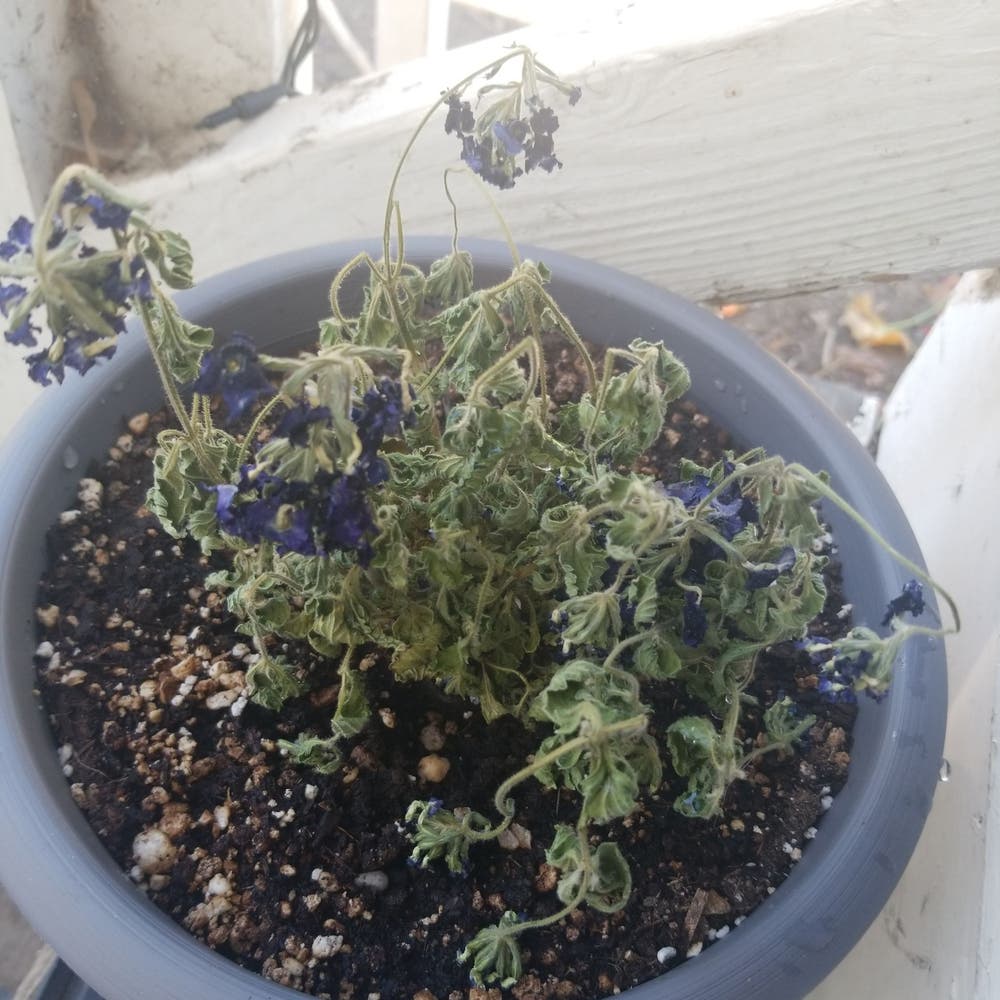
When your Rose Vervain starts looking less vibrant than a thrift store sofa, it's time to assess for over-fertilization. Yellowing leaves, stunted growth, or a crusty fertilizer residue on the soil are your plant's version of a white flag. If the roots are as brown and limp as overcooked spaghetti, you've got a clear sign of distress. Don't be fooled by wilting leaves that scream for water when the soil is already damp; that's just the plant's way of saying it's had a nutrient overdose.
🛠️ The Recovery Plan
If you've been a little too generous with the plant chow, here's how to dial it back. First, stop all fertilization—your plant needs a break, not a buffet. Remove any visible fertilizer from the soil's surface; think of it as skimming the fat off a stew. Now, flush the soil with water to rinse away the excess nutrients. Imagine you're washing away the sins of overfeeding. Repeat this every few days, but don't drown the poor thing. If the situation is dire, consider a soil transplant—it's like witness protection for your plant's roots. Hold off on the nutrient pep talks for at least a month. During recovery, patience is not just a virtue, it's a necessity. Keep an eye on your plant's progress; recovery is more of a slow dance than a rock concert.
Long-Term Love: Maintaining Blooming Brilliance
💡 Developing a Fertilization Calendar
Timing is a gardener's secret weapon. For Rose Vervain, a fertilization calendar isn't just a fancy planner—it's your roadmap to year-round blooms. Start by marking the beginning of the growing season, typically early spring, as your cue for the first fertilizer application. Continue with a monthly cadence, tapering off about 8 weeks before the expected first frost to allow your plants to enter dormancy gracefully.
🌱 Adjusting for the Plant's Lifecycle
As Rose Vervain matures, its nutritional needs evolve. Young plants are hungry for growth, so focus on balanced feeds that support robust foliage and root development. As your plant enters its blooming prime, shift gears towards phosphorus-rich fertilizers to encourage those coveted flowers. Keep an eye out for signs of distress—yellowing leaves or a bloom hiatus might suggest it's time to tweak your approach. Remember, over-fertilization is the garden's equivalent of binge eating; it does more harm than good.
⚠️ Safety First
This content is for general information and may contain errors, omissions, or outdated details. It is not medical, veterinary advice, or an endorsement of therapeutic claims.
Always consult a qualified healthcare professional before using any plant as food, medicine, or supplement.
Never eat any plant (or feed one to pets) without confirming its identity with at least two trusted sources.
If you suspect poisoning, call Poison Control (800) 222-1222, the Pet Poison Helpline (800) 213-6680, or your local emergency service immediately.
Spotted an error? Please report it here.
Ensure your rose vervain's fertilization 🌺 is spot-on with Greg's tailored reminders, preventing over-fertilization and guaranteeing vibrant blooms all year round.