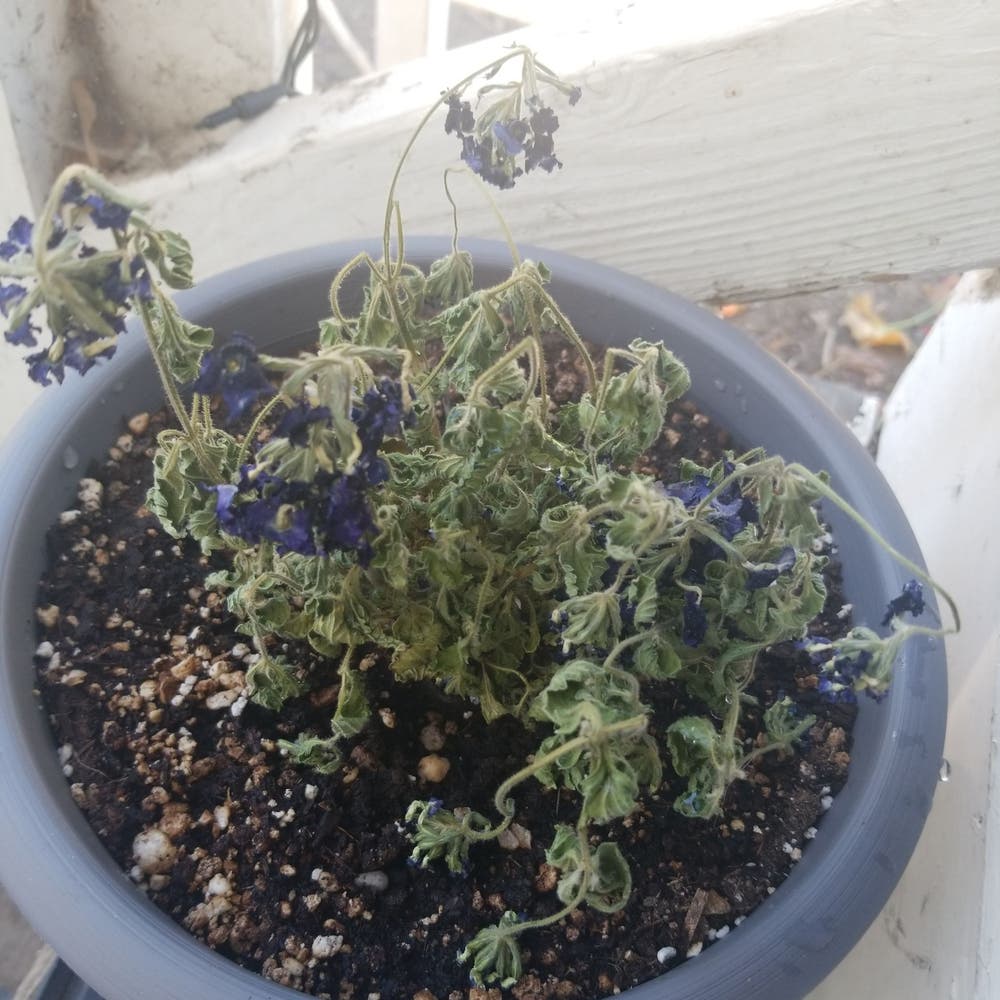
🌸 Why Your Trailing Purple Verbena Leaves Are Falling Over
Verbena canadensis
By the Greg Editorial Team
Oct 04, 2024•5 min read
This article was created with the help of AI so we can cover more plants for you. May contain errors. See one? Report it here.
Unlock vibrant blooms for your trailing purple verbena 🌸 with essential care tips for thriving plants year-round!
- 💧 Overwatering causes yellow leaves, while underwatering leads to crispy edges. Monitor closely!
- 🌱 Use a moisture meter to check soil before watering your trailing purple verbena.
- 🐛 Regularly inspect for pests and fungal diseases to maintain plant health and vigor.
Diagnosing the Problem
Signs of Overwatering vs. Underwatering 🌊
Recognizing the signs of overwatering and underwatering is crucial for your trailing purple verbena's health. Look for visual indicators such as leaf color and texture; yellowing leaves often signal overwatering, while crispy, brown edges suggest underwatering.
To assess soil moisture, use your fingers or a moisture meter. Stick your finger about an inch into the soil; if it feels wet, hold off on watering. A moisture meter can provide a more precise reading, helping you avoid common pitfalls.
Identifying Pests and Diseases 🐛
Regular visual inspections can help you catch pests and diseases early. Check the undersides of leaves and stems for any unwanted visitors, such as aphids or spider mites.
Fungal diseases often present as spots or mold on leaves. Distinguishing between these issues is key; pests can usually be removed, while diseases may require different treatments.
Soil Testing for Nutrient Levels 🧪
Understanding nutrient deficiencies is vital for maintaining vibrant plants. Soil tests can reveal what your verbena needs to thrive, ensuring it gets the right nutrients.
Aim to test your soil at least once a year or whenever you notice symptoms of distress. This proactive approach can save you time and effort in the long run, keeping your plants healthy and flourishing.
Preventive Measures
Proper Watering Techniques 🌊
Watering your trailing purple verbena correctly is crucial for its health. Deep watering encourages roots to grow deeper, while shallow watering can lead to weak root systems.
Adjust your watering frequency based on weather conditions. During hot spells, your plants may need more frequent watering, while cooler, damp days may require less.
Soil Selection and Drainage Solutions 🏞️
Choosing the right soil is essential for your verbena's success. A well-draining potting mix or sandy loam is ideal to prevent waterlogging.
To enhance drainage, consider adding perlite or sand to your soil. This improves aeration and helps maintain optimal moisture levels.
Fertilization Schedule and Types 🌱
Using the right fertilizers can make a significant difference. Balanced NPK fertilizers provide essential nutrients that your plants need to thrive.
Aim to fertilize every 4-6 weeks during the growing season. This regular feeding supports robust growth and vibrant blooms.
Pest Management Strategies 🐞
Regular monitoring is key to keeping pests at bay. Inspect your plants weekly for early signs of infestations, which can save you a lot of trouble later.
Consider organic control methods, such as introducing beneficial insects like ladybugs. These natural allies can help manage pest populations without harmful chemicals.
By implementing these preventive measures, you can create a thriving environment for your trailing purple verbena. Next, we’ll explore treatment options to address any issues that may arise.
Treatment Options
Adjusting Watering Practices 💧
Overwatering can be a common issue for trailing purple verbena. To correct this, allow the soil to dry out completely before watering again and adjust your watering frequency based on the plant's needs.
If underwatering is the problem, gradually increase the water intake. This helps the plant recover without shocking its system.
Applying Fertilizers 🌱
When it comes to fertilization, you have two main types: liquid and granular. Liquid fertilizers are quick-acting, while granular options provide a slow release of nutrients.
Always follow the package instructions for dosage. This ensures your plant receives the right amount without the risk of over-fertilization.
Treating Pests and Diseases 🐛
For pest control, insecticidal soap is a reliable option. It effectively targets pests while being gentle on your plants.
If diseases are present, fungicides can help. Apply treatments during early morning or late evening to minimize stress on the plant and maximize effectiveness.
Pruning Affected Leaves ✂️
Pruning is essential for maintaining plant health. Remove any dead or diseased leaves immediately to prevent further issues.
Use clean, sharp pruning shears to avoid introducing infections. This simple step can significantly improve your plant's overall vitality.
With these treatment options, your trailing purple verbena will be on the road to recovery. Next, let’s explore seasonal considerations to keep your plant thriving year-round.
Seasonal Considerations
🌞 Care During Hot Months
During the scorching summer months, your trailing purple verbena needs extra attention. Increase your watering frequency, checking daily to ensure the soil remains moist but not soggy.
Mulching is another effective strategy. A layer of mulch helps retain soil moisture and regulates temperature, keeping your plants happy and hydrated.
❄️ Winter Care for Trailing Purple Verbena
As temperatures drop, it's crucial to adjust your watering routine. Reduce the frequency as your plant's growth slows down, allowing the soil to dry out between waterings.
Frost protection is essential for your verbena's survival. Bring containers indoors or cover outdoor plants to shield them from harsh winter conditions.
🌱 Adjusting Care Based on Growth Cycles
Understanding your plant's growth phases is key to effective care. During spring, your verbena will be in active growth, requiring more water and nutrients.
Tailor your care accordingly. Modify your watering and fertilization practices based on whether your plant is thriving in growth or resting in dormancy.
With these seasonal considerations in mind, you'll be well-equipped to nurture your trailing purple verbena throughout the year. Next, let’s explore treatment options to address any issues that may arise.
⚠️ Safety First
This content is for general information and may contain errors, omissions, or outdated details. It is not medical, veterinary advice, or an endorsement of therapeutic claims.
Always consult a qualified healthcare professional before using any plant as food, medicine, or supplement.
Never eat any plant (or feed one to pets) without confirming its identity with at least two trusted sources.
If you suspect poisoning, call Poison Control (800) 222-1222, the Pet Poison Helpline (800) 213-6680, or your local emergency service immediately.
Spotted an error? Please report it here.
Keep your trailing purple verbena thriving 🌿 by using Greg for tailored watering reminders and pest alerts that ensure your plant stays healthy and vibrant all year round!