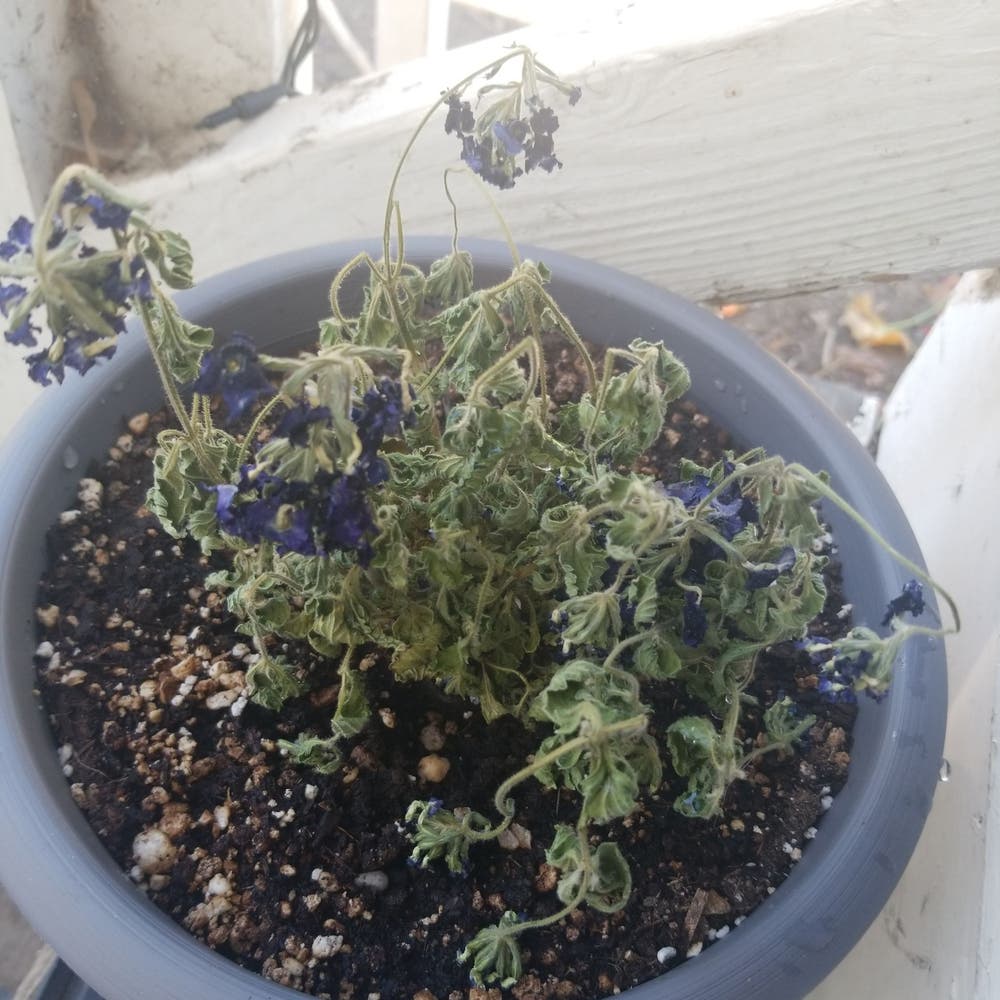
📏 4 Facts About Trailing Purple Verbena Height and Width
Verbena canadensis
By the Greg Editorial Team
Oct 04, 2024•5 min read
This article was created with the help of AI so we can cover more plants for you. May contain errors. See one? Report it here.
Elevate your garden's beauty 🌼 by mastering the growth and care of vibrant trailing purple verbena!
- 🌱 Trailing purple verbena grows 12-18 inches tall and 24-36 inches wide, perfect for ground cover.
- ☀️ Full sun (6-8 hours) maximizes growth, ensuring vibrant blooms and healthy plants.
- 🌿 Soil quality and moisture are crucial for thriving verbena; monitor regularly for best results.
Size and Growth Habits
Mature Height and Width 🌱
Trailing purple verbena typically reaches a mature height of 12 to 18 inches (30 to 45 cm) and a width of 24 to 36 inches (60 to 90 cm). Its spreading and trailing growth habit makes it an excellent choice for ground cover, adding vibrant color to any garden.
During the blooming season, you might notice a slight increase in both height and width. This seasonal growth can enhance its visual appeal, making it a standout in your landscape.
Growth Rate and Time to Maturity ⏳
The average growth rate of trailing purple verbena is moderate to fast, depending on environmental conditions. Generally, it takes about 1 to 2 years to reach its full size.
Several factors influence this growth rate, including soil quality, sunlight, and watering practices. Ensuring optimal conditions can lead to a more vigorous plant.
Size Variability 📏
The type of soil plays a significant role in the plant's growth. Well-draining soil promotes optimal growth, allowing the roots to thrive.
Sunlight exposure is equally crucial; full sun (6-8 hours daily) enhances growth potential significantly. Additionally, consistent moisture is key; it leads to robust growth, while drought tolerance can affect overall size and flowering.
Understanding these factors can help you cultivate a thriving trailing purple verbena that fits your garden's needs. As we explore the different varieties next, you'll see how these growth habits translate into diverse options for your landscape.
Varieties
🌱 Dwarf Varieties
Dwarf varieties of trailing purple verbena typically reach a mature height of 6 to 12 inches (15 to 30 cm). Their compact growth habit makes them ideal for container gardening, allowing you to enjoy their vibrant blooms even in limited spaces.
These smaller plants are perfect for small gardens or as border plants. They add a splash of color without overwhelming the landscape, making them a favorite among gardeners looking for versatility.
🌳 Giant Varieties
On the other hand, giant varieties can soar to heights of 24 to 36 inches (60 to 90 cm). Their vigorous growth makes them suitable for larger landscapes, where they can truly shine.
These robust plants serve as effective focal points or can be integrated into mixed borders. Their impressive stature ensures they stand out, drawing attention and admiration from all who pass by.
With a variety of sizes available, you can easily choose the perfect trailing purple verbena to suit your garden's needs. Whether you opt for the compact dwarfs or the towering giants, these plants will undoubtedly enhance your outdoor space.
Next, let’s explore how to control the size of these beautiful plants for optimal growth and aesthetics.
Controlling Size
✂️ Pruning Techniques
To keep your trailing purple verbena in check, timing is crucial. The best time to prune is early spring, just before new growth starts.
Here are some effective techniques to consider:
- Pinching Back Tips: This encourages bushier growth, making your plants fuller.
- Cutting Back: Trim them down to about 6 inches (15 cm) to control height effectively.
- Removing Spent Flowers: This promotes new growth and keeps your plants looking fresh.
For optimal size control, aim to prune every 6 to 8 weeks during the growing season. This simple routine can make a significant difference in maintaining the desired size.
📏 Other Growth Control Methods
In addition to pruning, there are other methods to manage the size of your verbena.
Container Growth: Growing them in containers limits root space, which can effectively restrict their size.
Spacing: Planting your verbena closer together encourages upward growth rather than spreading out. This can create a more compact appearance.
Fertilization: Reducing nutrient input slows down the growth rate. This approach can be particularly useful if you want to maintain a specific size without frequent pruning.
By combining these techniques, you can easily control the size of your trailing purple verbena, ensuring it fits perfectly into your garden design.
Next, let’s explore the environmental factors that influence their growth.
Environmental Factors
🌱 Soil Type
Trailing purple verbena thrives in well-draining, sandy loam soil. This type of soil allows for optimal growth, ensuring that roots can access necessary nutrients without becoming waterlogged.
Adding organic matter, like compost, can significantly enhance growth potential. It improves soil structure and provides essential nutrients, making your verbena even more vibrant.
☀️ Sunlight Exposure
For maximum height and spread, full sun exposure is crucial. Aim for at least 6 to 8 hours of sunlight daily to encourage robust growth and abundant blooms.
In contrast, partial shade may lead to taller plants with less dense foliage. While they may still grow, the overall vigor and flowering may not match those basking in full sun.
💧 Watering Practices
Consistent moisture is vital for healthy growth and size. Regular watering helps maintain the plant's vigor, especially during the active growing season.
However, established plants exhibit some drought tolerance. During dry spells, they may reduce in size, which can impact both flowering size and overall spread. Keeping an eye on moisture levels will help ensure your verbena remains lush and full.
As you consider these environmental factors, remember that they play a significant role in shaping your trailing purple verbena's growth. Next, we’ll explore how to control its size effectively.
⚠️ Safety First
This content is for general information and may contain errors, omissions, or outdated details. It is not medical, veterinary advice, or an endorsement of therapeutic claims.
Always consult a qualified healthcare professional before using any plant as food, medicine, or supplement.
Never eat any plant (or feed one to pets) without confirming its identity with at least two trusted sources.
If you suspect poisoning, call Poison Control (800) 222-1222, the Pet Poison Helpline (800) 213-6680, or your local emergency service immediately.
Spotted an error? Please report it here.
Unlock the full potential of your trailing purple verbena with Greg's tailored care tips 🌱, ensuring vibrant blooms and lush growth in your garden!