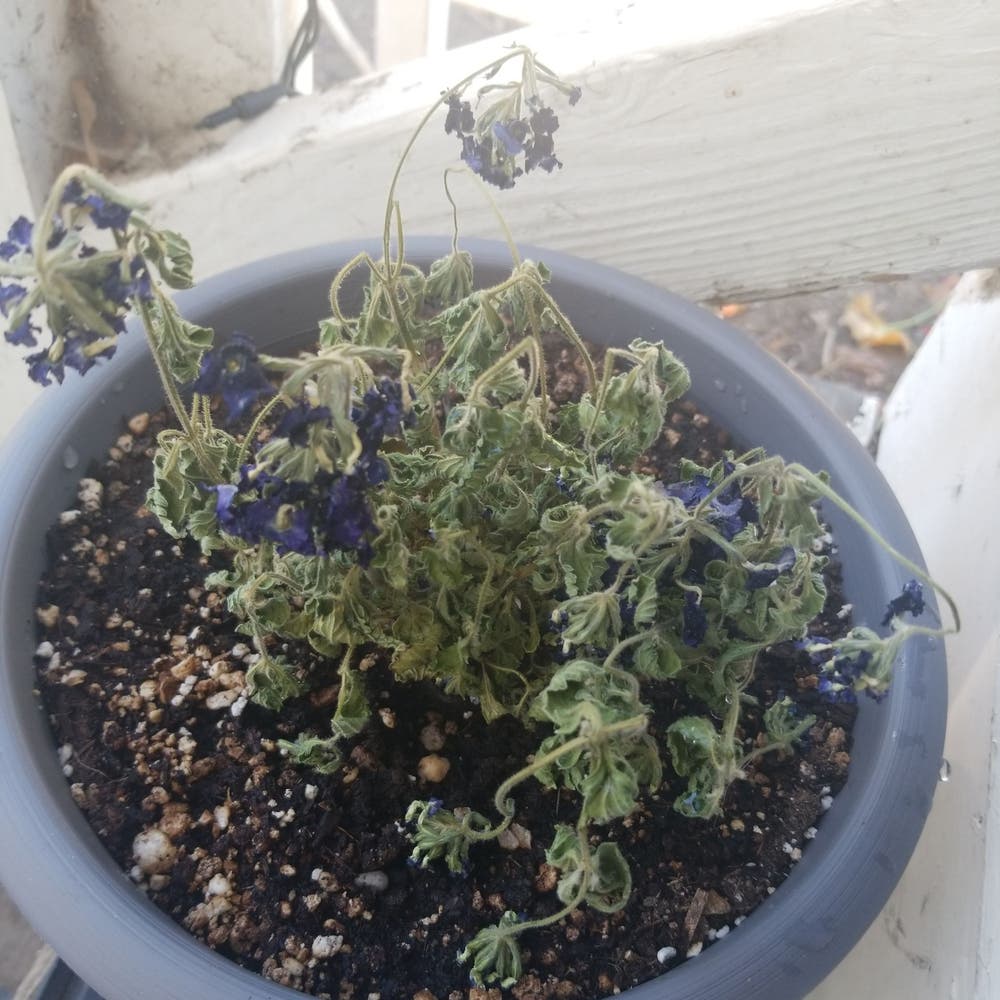
✂️ Ultimate Guide to Pruning Trailing Purple Verbena
Verbena canadensis
By the Greg Editorial Team
Oct 04, 2024•6 min read
This article was created with the help of AI so we can cover more plants for you. May contain errors. See one? Report it here.
Revitalize your trailing purple verbena into a blooming masterpiece with these essential pruning tips! 🌿✂️
- ✂️ Sharp tools and gloves are essential for safe and effective pruning of verbena.
- 🌼 Prune in early spring and late summer for optimal growth and blooming.
- 🧹 Cleanup is key—have rakes and bags ready for easy post-pruning maintenance.
Tools Needed for Pruning
Essential Pruning Tools 🌿
To get started with pruning your trailing purple verbena, you'll need a few essential tools. Sharp pruning shears are crucial for making clean cuts that prevent damage to the plant.
Loppers are perfect for tackling thicker stems, ensuring you can handle any part of the plant with ease. Don't forget to wear gloves to protect your hands from sap and thorns, keeping your gardening experience enjoyable.
Lastly, have a rake or garden waste bag handy for cleanup after your pruning session. This will help you maintain a tidy garden space.
Optional Tools 🛠️
While the essential tools will get the job done, a few optional tools can enhance your pruning experience. Garden scissors are great for fine detail work, allowing you to snip away small, unruly growth without disturbing the surrounding foliage.
Additionally, using a disinfectant to clean your tools is a smart move. This practice helps prevent the spread of diseases between plants, ensuring your verbena stays healthy and vibrant.
With the right tools in hand, you're ready to dive into the pruning process. Let's explore how to shape and maintain your verbena for optimal health and beauty.
Step-by-Step Pruning Instructions
✂️ How to Prune for Shape and Size
Pruning for shape and size is essential to maintain a healthy, attractive trailing purple verbena. Start by assessing the plant's overall shape and size to determine how much to trim.
Next, identify any overgrown or leggy stems that disrupt the plant's form. Aim to cut back these stems to about one-third of the plant's height for a balanced look.
To refine the shape, trim back any unruly growth that detracts from the plant's appearance. Always make cuts above a leaf node; this encourages optimal regrowth and keeps your verbena thriving.
🌱 How to Prune for Health and Vigor
Pruning for health and vigor is crucial for preventing disease and promoting robust growth. Begin by inspecting the plant for any dead or diseased stems that need immediate attention.
Remove these stems at the base to prevent further decay. Next, thin out crowded areas to improve air circulation, which helps reduce the risk of fungal issues.
Look for stems that are crossing or rubbing against each other and cut them back to prevent damage. Finally, clean up any debris around the plant to deter pests and diseases, ensuring a healthy environment for your verbena.
With these steps, your trailing purple verbena will not only look great but also flourish in its growing conditions. Now, let’s explore the best times to prune for optimal results.
When to Prune
🌱 Best Seasons for Pruning
Timing is everything when it comes to pruning trailing purple verbena. The best seasons to tackle this task are early spring and late summer.
In early spring, you want to prune before new growth begins. This helps the plant focus its energy on fresh, vibrant leaves and flowers. Late summer is also ideal, as pruning after the first bloom cycle encourages a second round of beautiful blossoms.
✂️ Signs that Pruning is Needed
Recognizing when to prune is crucial for maintaining a healthy plant. Look for an overgrown appearance; if your verbena looks leggy or sparse, it’s time to take action.
Reduced flowering is another clear sign. If you notice fewer blooms than expected, your plant may need a trim. Lastly, keep an eye out for dead or damaged stems. Visible signs of decay or disease indicate that pruning is necessary to rejuvenate your verbena.
By paying attention to these seasonal cues and signs, you can ensure your trailing purple verbena remains healthy and vibrant. Now that you know when to prune, let’s dive into the step-by-step instructions for shaping and maintaining your plant!
Deadheading
🌸 Importance of Deadheading
Deadheading is crucial for your trailing purple verbena. It promotes continuous blooming by preventing seed formation, allowing the plant to redirect its energy toward producing new flowers.
Regular deadheading encourages a vibrant display, ensuring your garden remains colorful and lively throughout the growing season.
✂️ Step-by-Step Deadheading Instructions
- Identify spent flowers: Look for wilted or brown blooms that need removal.
- Use sharp pruning shears: Cut the flower stem back to the nearest leaf node for a clean cut.
- Remove all spent flowers regularly: Aim to do this every 1-2 weeks during the blooming season for best results.
- Dispose of dead flowers: This helps prevent pests from taking up residence in your garden.
🌼 Benefits of Deadheading
Deadheading extends the blooming period, giving you more time to enjoy those beautiful flowers.
It also enhances the overall appearance of the plant by removing unsightly spent blooms, leading to healthier growth and more vibrant flowers.
Incorporating deadheading into your gardening routine not only keeps your verbena looking its best but also fosters a thriving garden environment.
As you continue caring for your plants, remember that a little effort in deadheading can yield a stunning display of blooms.
Next, let’s explore some common pruning mistakes to avoid for optimal plant health.
Common Pruning Mistakes
✂️ Over-pruning vs. Under-pruning
Pruning can be a double-edged sword. Over-pruning, or removing too much foliage, can stress your trailing purple verbena, leading to reduced flowering and a less vibrant plant.
On the flip side, under-pruning can create a crowded mess. Failing to trim back can invite disease and pests, making your plant more vulnerable.
⏰ Timing Errors
Timing is crucial when it comes to pruning. If you prune too late in the season, you risk cutting off buds that would have bloomed, leaving you with fewer flowers.
Conversely, pruning too early can expose your plant to frost damage. Always aim for the sweet spot in early spring or late summer to keep your verbena thriving.
Understanding these common mistakes will help you maintain a healthy, beautiful plant. With the right approach, your verbena can flourish and bring joy to your garden.
Post-Pruning Care
Aftercare 🌱
After pruning, it's crucial to water your trailing purple verbena thoroughly. This helps the plant recover from the stress of cutting.
Next, apply a balanced fertilizer to encourage new growth. This step is essential for revitalizing the plant and ensuring it thrives.
Keep an eye out for pests and diseases in the weeks following your pruning session. Early detection can save your plant from potential harm.
Monitoring for Growth and Health 📈
Check for new growth within 2-4 weeks after pruning. This is a good indicator that your plant is responding well to the care you've provided.
Look for signs of stress or disease, such as wilting or discoloration. If you notice any issues, adjust your care practices accordingly to support your plant's recovery.
With proper aftercare, your verbena will flourish, rewarding you with vibrant blooms and lush foliage. Now, let’s explore common pruning mistakes to avoid for even better results!
⚠️ Safety First
This content is for general information and may contain errors, omissions, or outdated details. It is not medical, veterinary advice, or an endorsement of therapeutic claims.
Always consult a qualified healthcare professional before using any plant as food, medicine, or supplement.
Never eat any plant (or feed one to pets) without confirming its identity with at least two trusted sources.
If you suspect poisoning, call Poison Control (800) 222-1222, the Pet Poison Helpline (800) 213-6680, or your local emergency service immediately.
Spotted an error? Please report it here.
Transform your trailing purple verbena into a blooming masterpiece 🌸 with Greg's tailored pruning reminders and expert care tips that keep your plant thriving all season long!