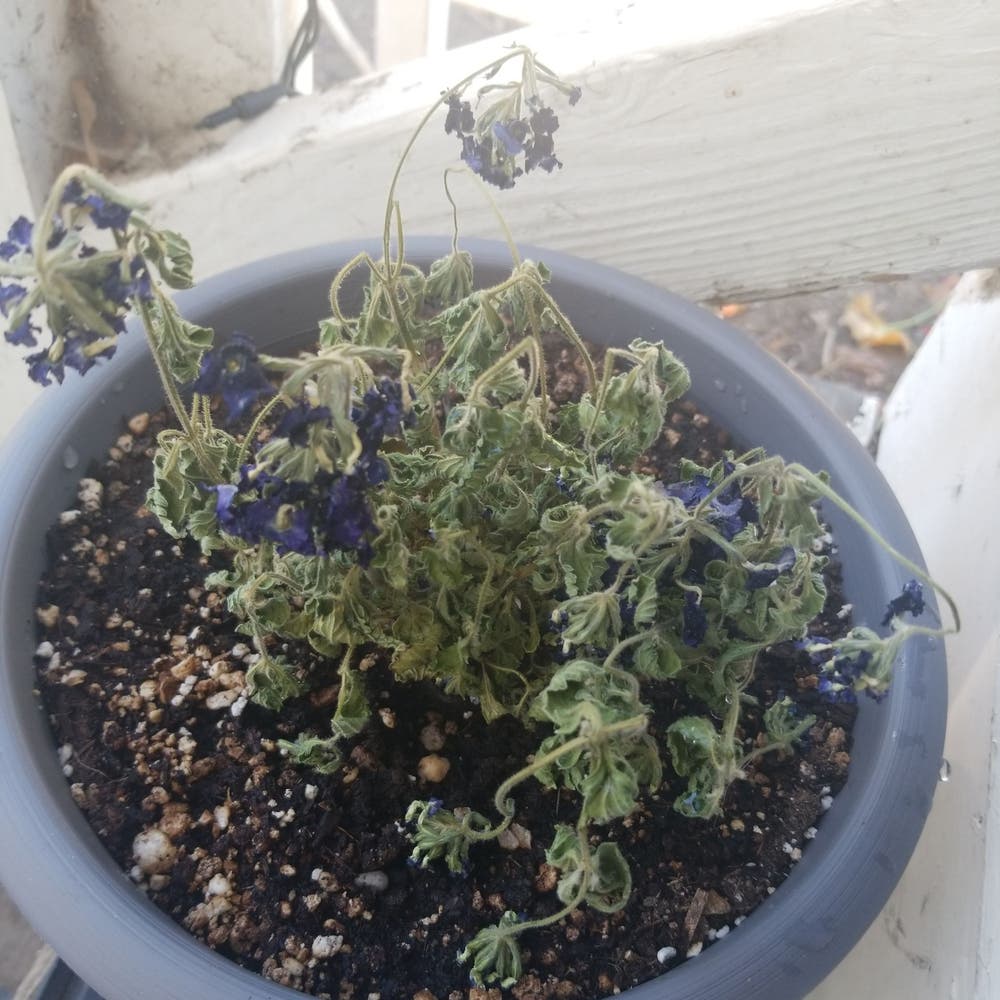
🌸 Why Your Trailing Purple Verbena Buds Are Falling Off
Verbena canadensis
By the Greg Editorial Team
Oct 04, 2024•6 min read
This article was created with the help of AI so we can cover more plants for you. May contain errors. See one? Report it here.
Revive your trailing purple verbena 🌱 with expert tips to prevent flower drop and ensure vibrant blooms!
- 🌡️ Environmental stress and pests cause premature flower drop in trailing purple verbena.
- 💧 Overwatering leads to root rot, weakening plants and causing bud loss.
- 🌱 Regular fertilization and sunlight are essential for vibrant blooms and healthy growth.
Premature Flower Drop
🌡️ Causes
Premature flower drop in trailing purple verbena can be frustrating. Understanding the causes is the first step to remedying the issue.
Environmental Stress
High temperatures or sudden temperature changes can shock your plants. This stress often leads to flower drop as the plant struggles to adapt.
Nutritional Deficiencies
A lack of essential nutrients can severely impact flower health. If your verbena isn't getting what it needs, it may drop buds prematurely.
Overwatering
Overwatering is a common mistake that can lead to root rot. When roots are compromised, the entire plant weakens, resulting in flower loss.
Pests
Infestations from pests like aphids or spider mites can cause significant stress. These tiny invaders can wreak havoc on your verbena, leading to premature bud drop.
🛠️ Solutions
Now that you know the causes, let’s explore some effective solutions to prevent premature flower drop.
Adjust Watering Practices
Ensure your soil is well-drained to avoid waterlogging. Adjust your watering schedule based on the moisture level of the soil.
Fertilization
Using a balanced fertilizer can help address any nutrient deficiencies. Regular feeding will support healthy growth and vibrant blooms.
Pest Management
Regularly inspect your plants for signs of pests. If you spot any, apply appropriate treatments to keep your verbena healthy.
Environmental Adjustments
During extreme heat, providing shade can protect your plants. This simple adjustment can make a significant difference in their health.
By addressing these factors, you can help your trailing purple verbena thrive and enjoy a beautiful display of blooms. Next, let’s dive into the reasons your verbena might fail to bloom altogether.
Failure to Bloom
🌞 Identifying Reasons
If your trailing purple verbena isn't blooming, the first step is to assess the light conditions. These plants need at least six hours of direct sunlight daily to thrive.
Next, consider the soil quality. Compacted or nutrient-deficient soil can hinder growth, making it difficult for your verbena to produce flowers.
Another factor to examine is pruning. Over-pruning or doing it at the wrong time can disrupt the bloom cycle, leaving your plants bare.
🛠️ Remedies
To encourage blooming, start by increasing sunlight exposure. If your plants are in a shady spot, consider relocating them to a sunnier area.
Soil amendment is also crucial. Incorporating organic matter can significantly improve soil fertility, providing the nutrients your verbena craves.
Lastly, focus on pruning techniques. Lightly prune your plants to promote new growth without removing existing buds, ensuring a vibrant display of flowers.
By addressing these factors, you can help your verbena flourish and enjoy a beautiful bloom season. Next, let’s explore abnormal flower development and what might be causing those unusual blooms.
Abnormal Flower Development
Signs of Abnormality 🌼
When your trailing purple verbena starts showing deformed flowers, it can be a real head-scratcher. Look for irregular shapes or sizes that just don’t match the usual bloom.
Color Variations 🎨
Another red flag is color variations. If your blooms are fading or displaying unusual colors, it’s a sign that something’s off.
Nutritional Imbalances ⚖️
Excess nitrogen can lead to lush foliage but poor blooms. This imbalance often results in a plant that looks healthy but fails to produce vibrant flowers.
Environmental Stress 🌪️
Fluctuations in temperature or humidity can also affect flower formation. Keep an eye on your plants; they’re sensitive to their surroundings.
Addressing the Issues 🛠️
To tackle these problems, start by assessing your plant's environment. Ensure it’s getting consistent care and the right nutrients.
Final Thoughts 💭
Understanding these signs can help you nurture your verbena back to health. With a little attention, you can encourage beautiful blooms that truly shine.
Next, let’s explore common pests and diseases that might be impacting your verbena’s flowering potential.
Pests and Diseases
🐜 Common Pests
Identification and Management
Pests can wreak havoc on your trailing purple verbena, leading to flower drop and overall plant stress.
Aphids: These small, green insects are notorious for curling leaves and causing buds to drop. Regular inspection is key to catching them early.
Spider Mites: Look for fine webbing and stippled leaves, which indicate an infestation. They thrive in dry conditions, so keep an eye out.
🛠️ Control Methods
Managing pests effectively can save your verbena from significant damage.
Insecticidal Soap: This is a go-to solution for soft-bodied insects like aphids. It’s easy to apply and generally safe for your plants.
Natural Predators: Introducing ladybugs can help control aphid populations naturally. They love to feast on these pests, providing a balanced ecosystem in your garden.
🌼 Diseases Impacting Flower Development
Diseases can also hinder the health and blooming of your verbena.
Common Diseases and Symptoms
Understanding the signs of disease is crucial for timely intervention.
Root Rot: This condition manifests as wilting and yellowing leaves, often due to overwatering. If your soil feels soggy, it’s time to reassess your watering habits.
Powdery Mildew: Look for white fungal growth on leaves. This can significantly affect your plant's overall health and vitality.
💊 Treatment Options
Addressing diseases requires a proactive approach.
Fungicides: Use these as needed for fungal infections. They can help restore your plant's health when applied correctly.
Cultural Practices: Improving air circulation and reducing humidity can prevent many fungal issues. Ensure your plants have enough space to breathe.
By staying vigilant against pests and diseases, you can keep your trailing purple verbena thriving. Next, let’s explore troubleshooting flowering issues to ensure your plants reach their full blooming potential.
Troubleshooting Flowering Issues
Step-by-step Guide 🌱
Assess light conditions: Ensure your trailing purple verbena receives at least 6 hours of direct sunlight daily. This is crucial for vibrant blooms.
Check watering practices: Adjust your watering based on soil moisture. Overwatering can lead to root rot, while underwatering can stress the plant.
Inspect for pests: Regularly look for signs of infestation. Early detection of pests like aphids or spider mites can save your plants from significant damage.
Evaluate soil quality: Test and amend your soil as needed to ensure a balanced nutrient profile. Healthy soil promotes robust growth and flowering.
Review pruning history: Ensure you’re using proper techniques and timing for pruning. Over-pruning can hinder blooming by removing potential flower buds.
Common Misconceptions 🤔
- Misbelief: Many think verbena can thrive in low light conditions.
- Clarification: In reality, adequate sunlight is essential for blooming and overall plant health.
When to Seek Professional Help 🆘
- Persistent issues: If problems continue despite your troubleshooting efforts, it may be time to consult an expert.
- Severe infestations or diseases: Don’t hesitate to reach out to a local extension service or a professional gardener for guidance.
By following these steps, you can effectively troubleshoot flowering issues with your trailing purple verbena. If challenges persist, seeking professional advice can provide the insights needed to restore your plants to their full glory.
⚠️ Safety First
This content is for general information and may contain errors, omissions, or outdated details. It is not medical, veterinary advice, or an endorsement of therapeutic claims.
Always consult a qualified healthcare professional before using any plant as food, medicine, or supplement.
Never eat any plant (or feed one to pets) without confirming its identity with at least two trusted sources.
If you suspect poisoning, call Poison Control (800) 222-1222, the Pet Poison Helpline (800) 213-6680, or your local emergency service immediately.
Spotted an error? Please report it here.
Keep your trailing purple verbena thriving 🌱 by using Greg's tailored care reminders to tackle environmental stress and pests, ensuring those beautiful blooms stay put!