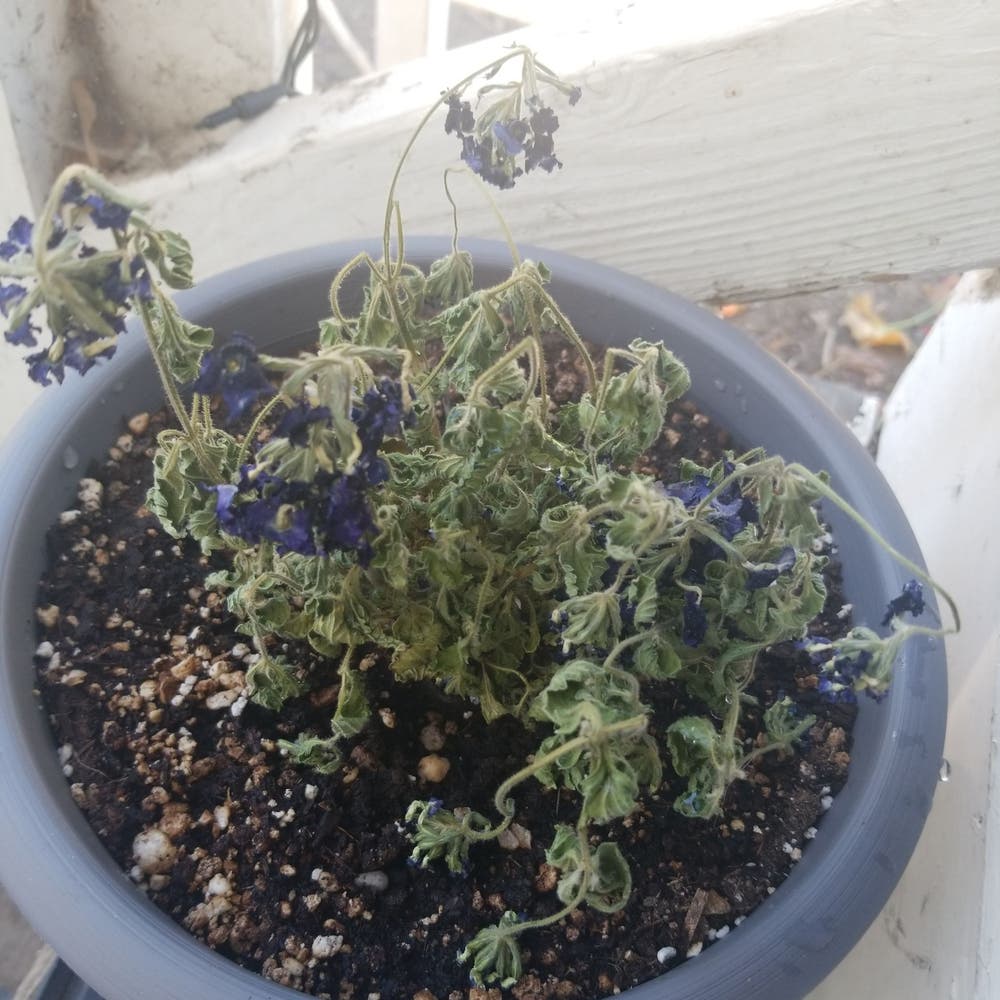
Understanding Curling Leaves on Your Trailing Purple Verbena 🦋
Verbena canadensis
By the Greg Editorial Team
Oct 10, 2024•6 min read
This article was created with the help of AI so we can cover more plants for you. May contain errors. See one? Report it here.
Transform your trailing purple verbena's health by mastering the secrets to prevent curling leaves! 🌱
- 🌡️ High temperatures and low humidity cause curling leaves; monitor both closely.
- 🐜 Pests like aphids and spider mites can lead to leaf curling; check regularly.
- 💧 Watering balance is key: overwatering and underwatering both cause curling leaves.
Causes of Curling Leaves
🌡️ Environmental Stress Factors
High temperatures can be a significant culprit behind curling leaves on your trailing purple verbena. Excessive heat stresses the plant, causing it to curl in an attempt to conserve moisture.
Low humidity also plays a role. Dry air can exacerbate leaf curl, making it crucial to monitor humidity levels, especially in arid conditions.
Sudden temperature changes can shock the plant. Fluctuations between hot and cold can lead to curling leaves as the plant struggles to adapt.
🐜 Pest Infestations
Common Pests
Aphids are small, soft-bodied insects that suck sap from leaves. Their feeding can weaken the plant, leading to noticeable leaf curl.
Spider mites are another concern. These tiny arachnids create fine webbing and cause stippling on leaves, which can also result in curling.
Signs of Infestation
Yellowing leaves often indicate sap loss and stress due to pest activity. If you notice this symptom, it's essential to investigate further.
Visible pests can be found by checking the undersides of leaves. Look for aphids and spider mites, as their presence can confirm an infestation.
🍄 Fungal Infections
Powdery Mildew
Symptoms of powdery mildew include white, powdery spots on leaves. This fungal infection can lead to curling as the plant struggles to cope.
Conditions favoring the growth of powdery mildew include high humidity and poor air circulation. Ensuring good airflow can help prevent this issue.
🥦 Nutrient Deficiencies
Key Nutrients
Nitrogen is essential for leaf growth. A deficiency can lead to yellowing and curling leaves, signaling that your plant needs more nutrients.
Potassium is also important for overall plant health. A lack of potassium can cause leaf curling, making it vital to monitor nutrient levels.
💧 Watering Issues
Overwatering
Symptoms of overwatering include wilting, yellowing, and curling leaves due to root rot. It's crucial to recognize these signs early.
Signs of overwatering include soggy soil and black or mushy roots. If you notice these symptoms, adjust your watering practices immediately.
Underwatering
Underwatering leads to dry, crispy leaves that curl inward. This is a clear sign that your plant is not getting enough moisture.
Signs of underwatering include dry and crumbly soil, along with a wilted appearance. Regularly check soil moisture to prevent this issue.
Understanding these causes of curling leaves can help you take proactive steps to maintain the health of your trailing purple verbena. Next, we’ll explore how to diagnose these curling leaves effectively.
Diagnosing Curling Leaves
Identifying Symptoms of Leaf Curl 🌿
Curling leaves can signal various issues. Inward curling often indicates underwatering, while outward curling may suggest overwatering.
Yellowing leaves are another red flag. This can point to nutrient deficiencies or pest damage, so keep an eye out for color changes.
Differentiating Between Pest Damage and Environmental Stress 🕵️♂️
To determine if pests are the culprit, look for visible signs. Check the undersides of leaves for pests or webbing.
If you don’t see any pests, consider environmental stress. Assess the overall condition of the plant and its surroundings for clues.
Assessing Soil Moisture Levels 💧
Checking soil moisture is crucial for healthy plants. Stick your finger into the soil; if it feels dry 1-2 inches down, it’s time to water.
For more precise readings, consider using a moisture meter. This tool can help you avoid the guesswork.
Evaluating Sunlight Exposure ☀️
Trailing Purple Verbena thrives in full sun, requiring 6-8 hours of sunlight daily. Ensure your plant is positioned to soak up those rays.
If you notice stretching stems or pale leaves, it may be a sign of inadequate sunlight. Adjust its placement to optimize growth.
Understanding these diagnostic steps can help you identify the root cause of curling leaves. With the right knowledge, you can take action to restore your plant's health and vibrancy.
Treatment Options
🌱 Organic Pest Control Methods
To combat pests like aphids and spider mites, consider using neem oil. This natural solution disrupts their life cycle without harming beneficial insects.
Insecticidal soap is another effective option. It targets soft-bodied pests while being gentle on your plants.
🦠 Fungicide Application
When dealing with powdery mildew, opt for a broad-spectrum fungicide. This type effectively tackles various fungal issues.
Timing is crucial for application. Always spray during the cooler parts of the day to minimize stress on your plants.
💧 Adjusting Watering Practices
Establish a watering schedule that emphasizes deep, infrequent watering. Allow the soil to dry out between sessions to promote healthy root growth.
Signs of proper watering include moist soil that isn’t soggy and firm, healthy leaves. This balance is key to preventing curling leaves.
🌿 Fertilization Strategies
For optimal growth, use a balanced NPK fertilizer, such as 10-10-10. This ensures your plants receive essential nutrients.
Fertilize every 4-6 weeks during the growing season. This regular feeding helps maintain vibrant foliage and overall plant health.
By implementing these treatment options, you can effectively address the curling leaves on your trailing purple verbena. Next, let’s explore preventive measures to keep your plants thriving.
Preventive Measures
Best Practices for Watering 🌊
Watering your trailing purple verbena correctly is crucial. Always water at the base of the plant to keep the foliage dry and reduce the risk of fungal diseases.
Timing matters too. Watering early in the morning minimizes evaporation, ensuring your plant gets the moisture it needs before the heat of the day kicks in.
Soil Preparation and Drainage Tips 🏺
A well-prepared soil mix is essential for healthy growth. Use a well-draining potting soil, and consider adding perlite or sand to enhance drainage.
Container choice is equally important. Always ensure your pots have drainage holes to prevent waterlogging, which can lead to root rot.
Regular Monitoring for Pests and Diseases 🔍
Stay proactive by regularly inspecting your plants. Check weekly for any signs of pests or diseases to catch issues early.
If you spot any problems, act quickly. Early intervention can prevent minor issues from escalating into major headaches.
Optimal Sunlight Conditions ☀️
Placement is key for your verbena's health. Position your plants in full sun locations, steering clear of shaded areas that can hinder growth.
During extreme heat, consider providing partial shade. This simple adjustment can help reduce stress on your plants and keep them thriving.
By implementing these preventive measures, you can ensure your trailing purple verbena remains healthy and vibrant. Next, let’s explore effective treatment options for when issues do arise.
⚠️ Safety First
This content is for general information and may contain errors, omissions, or outdated details. It is not medical, veterinary advice, or an endorsement of therapeutic claims.
Always consult a qualified healthcare professional before using any plant as food, medicine, or supplement.
Never eat any plant (or feed one to pets) without confirming its identity with at least two trusted sources.
If you suspect poisoning, call Poison Control (800) 222-1222, the Pet Poison Helpline (800) 213-6680, or your local emergency service immediately.
Spotted an error? Please report it here.
Keep your trailing purple verbena thriving 🌱 by using Greg's moisture alerts and pest monitoring to prevent curling leaves and ensure optimal growth!