🌸 How to Grow Trailing Purple Verbena Outdoors
Verbena canadensis
By the Greg Editorial Team
Oct 04, 2024•5 min read
This article was created with the help of AI so we can cover more plants for you. May contain errors. See one? Report it here.
Elevate your garden's beauty with thriving trailing purple verbena 🌸 by mastering essential care tips!
- ☀️ Trailing purple verbena needs 6-8 hours of sunlight for optimal growth and blooms.
- 💧 Water weekly, allowing soil to dry to prevent yellowing leaves and root rot.
- 🌱 Use well-draining soil and mulch to retain moisture and protect from extreme weather.
General Care
Sunlight Needs 🌞
Trailing purple verbena thrives in full sun, needing 6-8 hours of direct sunlight daily. This exposure is crucial for optimal growth and vibrant flowering.
Effects of Sunlight ☀️
Too much sunlight can scorch the leaves, resulting in unsightly brown edges. Conversely, insufficient sunlight leads to stunted growth and fewer blooms, robbing your garden of its potential beauty.
Watering Requirements 🚰
Water your verbena deeply once a week, allowing the soil to dry out between waterings. This practice encourages robust root development and prevents waterlogging.
Signs of Watering Issues 💧
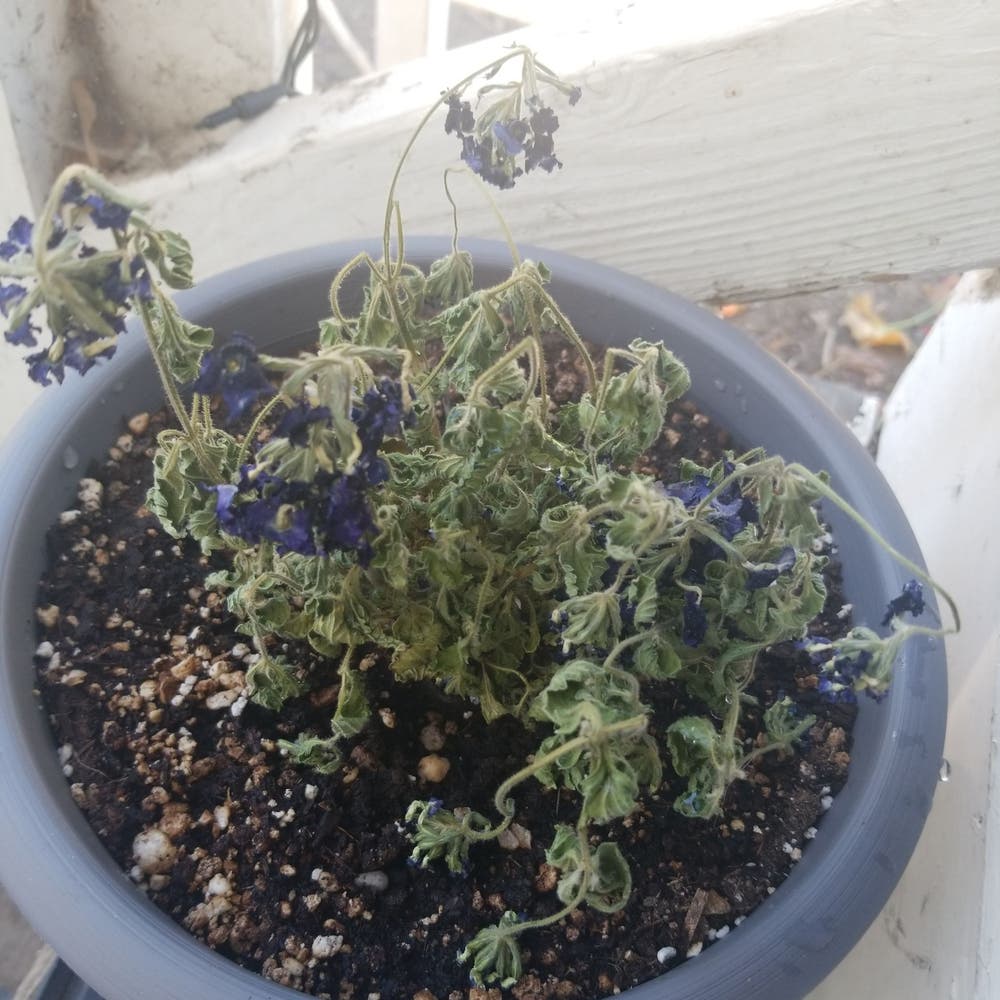
Overwatering manifests as yellowing leaves and root rot, while underwatering results in wilting and crispy leaf edges. Keep an eye on your plants to ensure they’re getting just the right amount of moisture.
Soil Preferences 🌱
For the best results, use well-draining soil like sandy loam or a quality potting mix. This helps prevent water retention that can harm the roots.
pH Level Considerations ⚖️
Trailing purple verbena prefers a slightly acidic to neutral pH, ideally between 6.0 and 7.0. Testing your soil can help you maintain the right conditions for thriving plants.
Fertilization 🍽️
Opt for balanced, slow-release fertilizers with an NPK ratio of 10-10-10. This ensures your plants receive the nutrients they need without overwhelming them.
Timing and Frequency ⏰
Fertilize every 4-6 weeks during the growing season, from spring to early fall. This regular feeding supports continuous growth and flowering, keeping your garden vibrant.
With these care tips, your trailing purple verbena will flourish, adding beauty and color to your outdoor space. Next, let’s explore the various planting options available for these stunning plants.
Planting Options
Container Gardening 🌱
Container gardening offers a world of flexibility. You can easily move your trailing purple verbena to catch the sun or protect it from harsh weather.
Controlling soil quality and drainage is a breeze, ensuring your plants thrive. However, this method does come with its challenges.
You’ll need to water and fertilize more frequently, as containers dry out faster. Plus, limited root space can restrict growth, so choose your pots wisely.
Ground Planting 🌍
Ground planting provides a more stable environment for your verbena. It allows for consistent moisture levels and nutrient availability, which is crucial for healthy growth.
This method also encourages your plants to spread, creating a beautiful ground cover. But it’s not without its downsides.
You have less control over soil conditions and drainage, which can lead to issues. Additionally, outdoor pests and diseases may pose a threat, so keep an eye out for any signs of trouble.
In choosing between container and ground planting, consider your space and maintenance preferences. Each option has its unique benefits and challenges, setting the stage for a thriving garden.
Next, let’s explore how to protect and maintain your verbena for optimal growth.
Protection and Maintenance
☔️ Weather Protection
Extreme weather can be tough on your trailing purple verbena.
- Mulch is your best friend; it helps retain soil moisture and keeps temperatures stable.
- During scorching heat, consider using shade cloth to shield your plants from the sun's harsh rays.
As seasons change, so should your care routine.
- Adjust your watering frequency based on the weather patterns to ensure your plants thrive.
🐛 Outdoor Pests
Be on the lookout for common pests like aphids, spider mites, and whiteflies.
Regular inspections can save your plants from these nuisances.
- Use insecticidal soap or neem oil for effective control.
- Encourage beneficial insects, such as ladybugs, to help keep the pest population in check.
🦠 Diseases
Your verbena can face challenges from diseases like powdery mildew and root rot.
- Powdery mildew appears as white, powdery spots on leaves, while root rot causes wilting and yellowing due to overwatering.
To combat these issues, focus on prevention.
- Ensure proper air circulation and avoid watering from above.
- When possible, opt for disease-resistant varieties to minimize risks.
With these protective measures in place, your trailing purple verbena will be well-equipped to flourish.
Next, let’s dive into the seasonal care your plants will need throughout the year.
Seasonal Care
Spring Care 🌸
Spring is the ideal time to plant your trailing purple verbena, especially after the last frost. Applying a balanced fertilizer will give your plants the boost they need to thrive.
Summer Care ☀️
As temperatures rise, increase your watering frequency to keep the plants hydrated. Don't forget to deadhead spent flowers; this simple act encourages continuous blooming throughout the season.
Fall Care 🍂
As the weather cools, gradually reduce your watering schedule. Adding mulch around the base of your plants will help protect their roots from dropping temperatures.
Winter Care ❄️
In colder climates, consider bringing container plants indoors to shield them from frost. For those planted in the ground, applying frost cloths or blankets can provide essential protection during extreme cold spells.
With these seasonal care tips, your trailing purple verbena will flourish throughout the year, setting the stage for a vibrant garden. Next, let’s explore how to adapt your care routine based on climate zones.
Climate Zone Considerations
🌍 Best Climate Zones
Trailing purple verbena flourishes in USDA zones 9-11, where warm temperatures create the perfect environment for growth. In cooler zones (3-8), it can still shine as an annual, bringing vibrant color to your garden.
🌡️ Adaptations for Different Climates
In hotter climates, ensure your verbena gets enough water and use mulch to help retain moisture. For cooler areas, consider planting in containers; this allows for easy mobility and protection from frost when temperatures drop.
With the right care tailored to your climate, your trailing purple verbena can thrive beautifully, adding charm to your outdoor space. Next, let’s explore how to protect and maintain your plants throughout the seasons.
⚠️ Safety First
This content is for general information and may contain errors, omissions, or outdated details. It is not medical, veterinary advice, or an endorsement of therapeutic claims.
Always consult a qualified healthcare professional before using any plant as food, medicine, or supplement.
Never eat any plant (or feed one to pets) without confirming its identity with at least two trusted sources.
If you suspect poisoning, call Poison Control (800) 222-1222, the Pet Poison Helpline (800) 213-6680, or your local emergency service immediately.
Spotted an error? Please report it here.
Grow vibrant trailing purple verbena 🌸 effortlessly with Greg's tailored watering and sunlight reminders, ensuring your garden flourishes all season long!