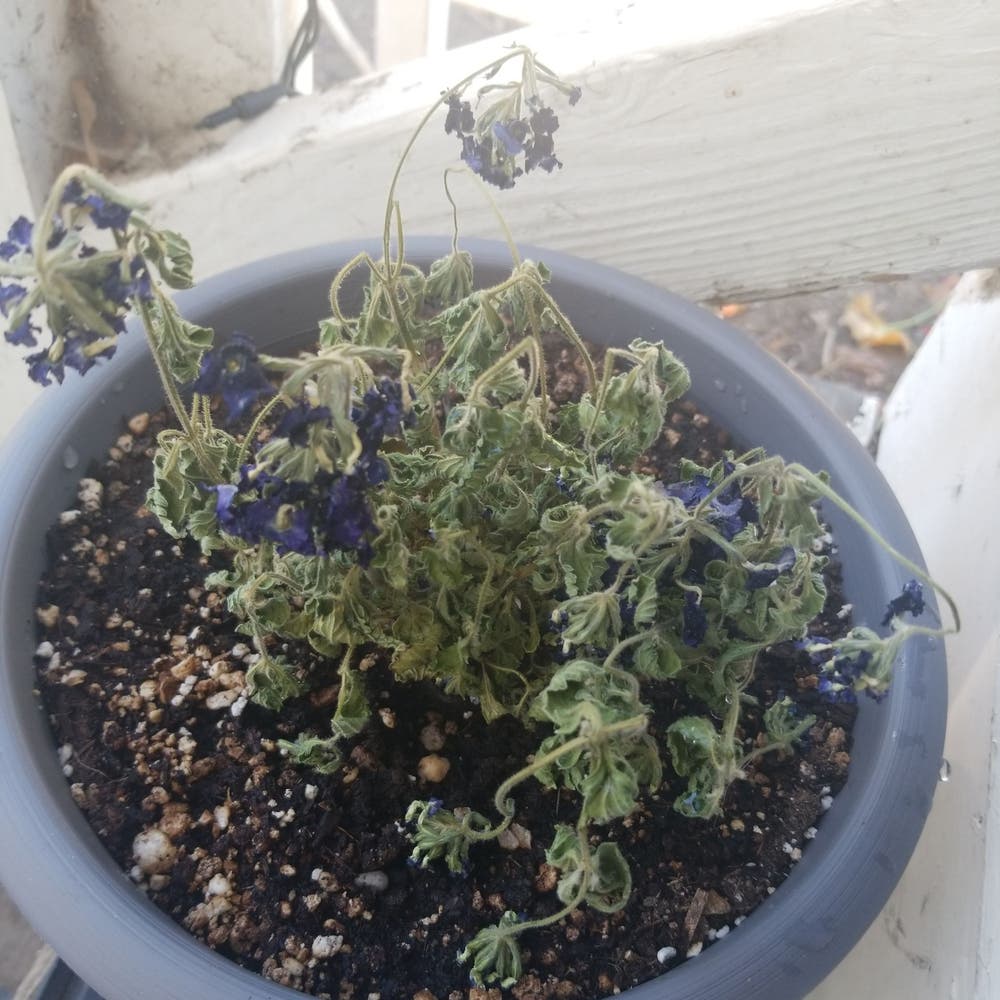
🌸 3 Perfect Pot Styles for Trailing Purple Verbena
Verbena canadensis
By the Greg Editorial Team
Oct 04, 2024•5 min read
This article was created with the help of AI so we can cover more plants for you. May contain errors. See one? Report it here.
Master pot sizes and materials for thriving trailing purple verbena blooms 🌼 and transform your garden into a vibrant paradise!
- 🌱 Start with a 4-6 inch pot for seedlings, then upgrade as they grow.
- 🏺 Choose pot materials wisely: clay, plastic, ceramic, or metal each have pros and cons.
- 💧 Ensure proper drainage to prevent yellowing leaves and root rot for healthy verbena.
Pot Sizes for Trailing Purple Verbena
Importance of Size for Different Growth Stages 🌱
When starting with seedlings, a container size of 4-6 inches in diameter is ideal. This size allows enough space for root development, ensuring your young plants establish a strong foundation.
As your trailing purple verbena matures, you'll want to upgrade to a 10-12 inch diameter pot. This larger size accommodates their vigorous growth, providing the necessary room for roots to expand and thrive.
During the flowering stage, opt for a pot that measures 12-14 inches in diameter. This size not only offers stability but also helps retain moisture, which is crucial for supporting those beautiful blooms.
Choosing the right pot size at each growth stage is essential for the health and vibrancy of your trailing purple verbena. With the right container, you set the stage for a flourishing plant that brings color and life to your garden.
Next, let’s explore the various pot materials that can enhance your gardening experience.
Pot Materials
Advantages and Disadvantages of Clay Pots 🌱
Clay pots are a popular choice for many gardeners. Their breathability promotes healthy root development, allowing plants to thrive.
However, they can be heavy and cumbersome to move. Additionally, clay retains heat, which can dry out the soil quickly in hot conditions.
Benefits of Plastic Pots ♻️
Plastic pots offer several advantages for container gardening. They are lightweight and easy to handle, making them ideal for those who frequently rearrange their plants.
These pots also retain moisture better than clay, reducing the need for constant watering. Plus, they come in a variety of colors and styles, providing a cost-effective option for any garden aesthetic.
Comparison of Other Materials 🏺
Ceramic pots are visually appealing but can be heavy and expensive. Often glazed, they may affect drainage, which is crucial for healthy plants.
Metal pots are durable and stylish but can heat up quickly, potentially harming roots. To mitigate this, consider adding insulation or lining to ensure optimal growth conditions.
Choosing the right pot material can significantly impact your trailing purple verbena's health and growth. Understanding these options will help you make informed decisions as you cultivate your garden.
Drainage Considerations
Importance of Drainage Holes 🌧️
Drainage holes are crucial for preventing water accumulation in your pots. They help maintain optimal moisture levels in the soil, ensuring your trailing purple verbena thrives.
Ensuring Proper Drainage in Pots 🚰
To achieve effective drainage, follow these steps:
- Choose pots with multiple drainage holes: This allows excess water to escape easily.
- Use a well-draining potting mix: A mix designed for drainage will keep your plants happy.
- Consider adding a layer of gravel or stones at the bottom of the pot: This extra layer can further enhance drainage.
Signs of Poor Drainage and Their Impact ⚠️
Watch for symptoms of overwatering, such as yellowing leaves and wilting. These signs indicate that your plant may be struggling due to poor drainage.
Root rot is another serious concern, characterized by dark, mushy roots. If you notice these symptoms, timely intervention is essential to prevent plant loss.
With proper drainage, your trailing purple verbena will flourish, leading to vibrant blooms and healthy growth. Next, let’s explore the guidelines for repotting your plants effectively.
Repotting Guidelines
🕒 When to Repot
Repotting is essential for maintaining healthy plants. Look for these signs to determine if it's time to make a move:
- Roots Growing Out of Drainage Holes: This indicates that your plant is root-bound and needs more space.
- Stunted Growth Despite Proper Care: If your plant isn’t thriving, it may be time for a new pot.
- Soil Drying Out Too Quickly: Rapid drying can signal that the roots have filled the pot, limiting moisture retention.
🛠️ Steps for Effective Repotting
Repotting doesn’t have to be daunting. Follow these simple steps for a smooth transition:
- Choose a New Pot: Select one that is 1-2 inches larger in diameter than the current pot.
- Carefully Remove the Plant: Gently take the plant out of its existing pot to avoid damaging the roots.
- Loosen Tightly Bound Roots: This encourages healthy growth in the new environment.
- Place the Plant in the New Pot: Fill it with fresh potting mix to provide nutrients.
- Water Thoroughly: This helps settle the soil and eliminates air pockets.
🪴 Choosing the Right Pot During Repotting
Selecting the right pot is crucial for your plant’s future. Keep these considerations in mind:
- Size: Ensure the new pot accommodates future growth to avoid repotting too soon.
- Material: Choose based on your climate and how much care you want to invest.
- Drainage: Always check for adequate drainage holes to prevent water accumulation.
Repotting can rejuvenate your trailing purple verbena, setting it up for vibrant growth and blooms. Next, let’s explore how your pot choice impacts overall plant health.
Impact of Pot Choice on Growth
🌱 How Pot Choice Affects Root Health
The size and material of your pot play a crucial role in root expansion and nutrient uptake. A properly sized pot prevents root binding, allowing your trailing purple verbena to thrive and grow vigorously.
💧 Influence on Moisture Retention
Larger pots have the advantage of retaining moisture longer, which means you won't have to water as frequently. The material also impacts evaporation rates; for instance, clay pots can dry out faster than their plastic counterparts.
🌼 Effects on Flowering and Overall Vigor
Providing adequate space and ensuring proper drainage significantly enhance the flowering potential of your plants. Healthy root systems lead to more robust growth and vibrant blooms, making your garden a true spectacle.
Choosing the right pot is essential for the overall health and beauty of your trailing purple verbena. Next, let’s explore the vital considerations for drainage to keep your plants flourishing.
⚠️ Safety First
This content is for general information and may contain errors, omissions, or outdated details. It is not medical, veterinary advice, or an endorsement of therapeutic claims.
Always consult a qualified healthcare professional before using any plant as food, medicine, or supplement.
Never eat any plant (or feed one to pets) without confirming its identity with at least two trusted sources.
If you suspect poisoning, call Poison Control (800) 222-1222, the Pet Poison Helpline (800) 213-6680, or your local emergency service immediately.
Spotted an error? Please report it here.
Elevate your trailing purple verbena's growth with the perfect pot choice 🌱—let Greg guide you with tailored watering reminders and potting tips for thriving plants!