How Do I Cure Rose Vervain Root Rot?
Verbena canadensis
By the Greg Editorial Team
Feb 04, 2024•3 min read
This article was created with the help of AI so we can cover more plants for you. May contain errors. See one? Report it here.
Rescue your wilting Rose Vervain 🌹 from root rot's clutches with our essential revival guide!
- Wilting, yellowing, and foul odor signal Rose Vervain root rot.
- Trim roots, apply fungicides or natural remedies to combat rot.
- Well-draining soil, proper watering, and climate control prevent future rot.
Spotting the Trouble: Recognizing Root Rot in Rose Vervain
🚩 Visual Red Flags
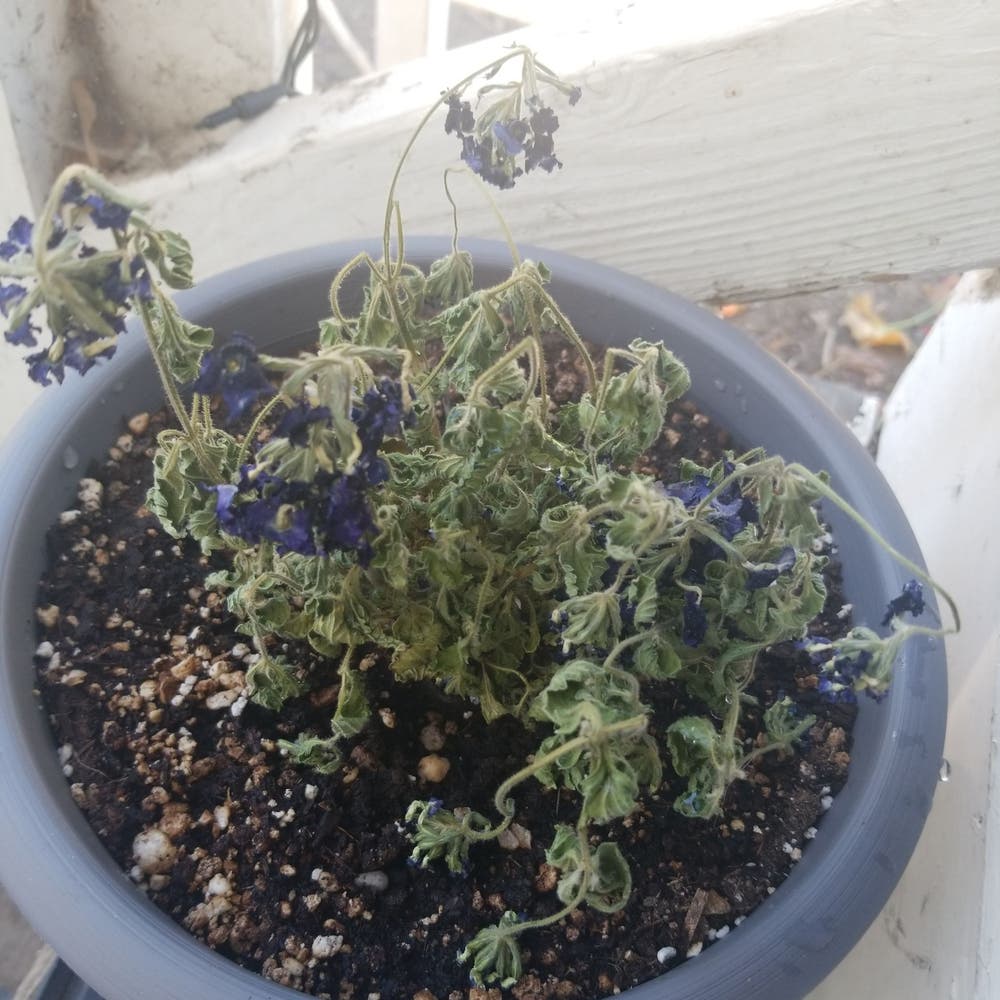
Wilting, yellowing leaves are the Rose Vervain's way of waving a red flag. These symptoms don't mean your plant is trying out a new autumn look; they're signs of distress. Vigilance is key; a plant that looks more like a wilted salad than a vibrant bloom needs your attention.
👃 Sniff and Scrutinize
If your Rose Vervain's soil smells like last week's forgotten laundry, trust your nose—that's the stench of root rot. It's not just an unpleasant odor; it's a botanical cry for help. When the roots give off a foul odor, it's time to play detective and inspect the root health closely.
Immediate Rescue: Saving Your Rose Vervain from Root Rot
🌱 Root Revival Tactics
🌿 Trimming the Damage
Snip snip goes the shears. It's time for a little root revival. Get your gloves on and prepare for a delicate operation. Gently remove your Rose Vervain from its pot and brush away the soil to reveal the roots. Healthy roots look firm and white, while rotted roots are mushy and dark. Sterilize your shears with alcohol—no compromises here—and cut away the rotted parts. Only the strong survive in this game.
Fungal Foes
Fungicides are like the bouncers at the club of plant health—they keep the troublemakers out. If you're going for chemical fungicides, follow the label to the letter. For the organic aficionados, consider a sprinkle of cinnamon or a chamomile tea soak. They're the home remedies that might just do the trick, even if they're more old wives' tale than science.
🌱 Soil and Water Makeover
Fine-Tuning Your Watering Technique
Overwatering is the root rot's best friend. To avoid soggy soil, let the top inch dry out before you water again. Stick your finger in the soil; if it feels like a wet sponge, hold off on the H2O. And remember, your plant is not a fish—it doesn't need to swim.
Upgrading to High-Drainage Soil
Repotting is like moving to a better neighborhood for your plant's roots. Mix peat moss, perlite, and vermiculite to create a well-draining soil that's like a penthouse with a view for your Rose Vervain. Choose a pot that's snug but not tight—think cozy, not cramped. When you repot, be as gentle as if you're handling a soap bubble. Water lightly after repotting, just enough to settle the soil around the roots.
Building Defenses: Preventing Root Rot in the Future
💧 Water Wisdom
Crafting the perfect watering schedule for Rose Vervain is less about sticking to a calendar and more about responding to your plant's needs. Feel the top inch of soil; if it's dry, it's time to water. Be especially cautious in winter, when Rose Vervain's thirst wanes.
🏡 The Right Home for Your Plant
Selecting the right pot and soil mix is crucial for healthy roots. Drainage holes are non-negotiable, and a well-draining potting mix is your plant's best ally. Consider a pot with feet or a stand to promote air circulation and prevent water from pooling.
🌡️ Climate Control
Adjusting your garden's temperature and humidity is like setting the stage for a healthy plant performance. Keep the air moving and avoid extremes to create an environment where root rot can't take the spotlight.
⚠️ Safety First
This content is for general information and may contain errors, omissions, or outdated details. It is not medical, veterinary advice, or an endorsement of therapeutic claims.
Always consult a qualified healthcare professional before using any plant as food, medicine, or supplement.
Never eat any plant (or feed one to pets) without confirming its identity with at least two trusted sources.
If you suspect poisoning, call Poison Control (800) 222-1222, the Pet Poison Helpline (800) 213-6680, or your local emergency service immediately.
Spotted an error? Please report it here.
Combat Rose Vervain root rot by snipping the bad and sipping the good 🌿 with Greg's custom watering reminders to keep your garden flourishing.