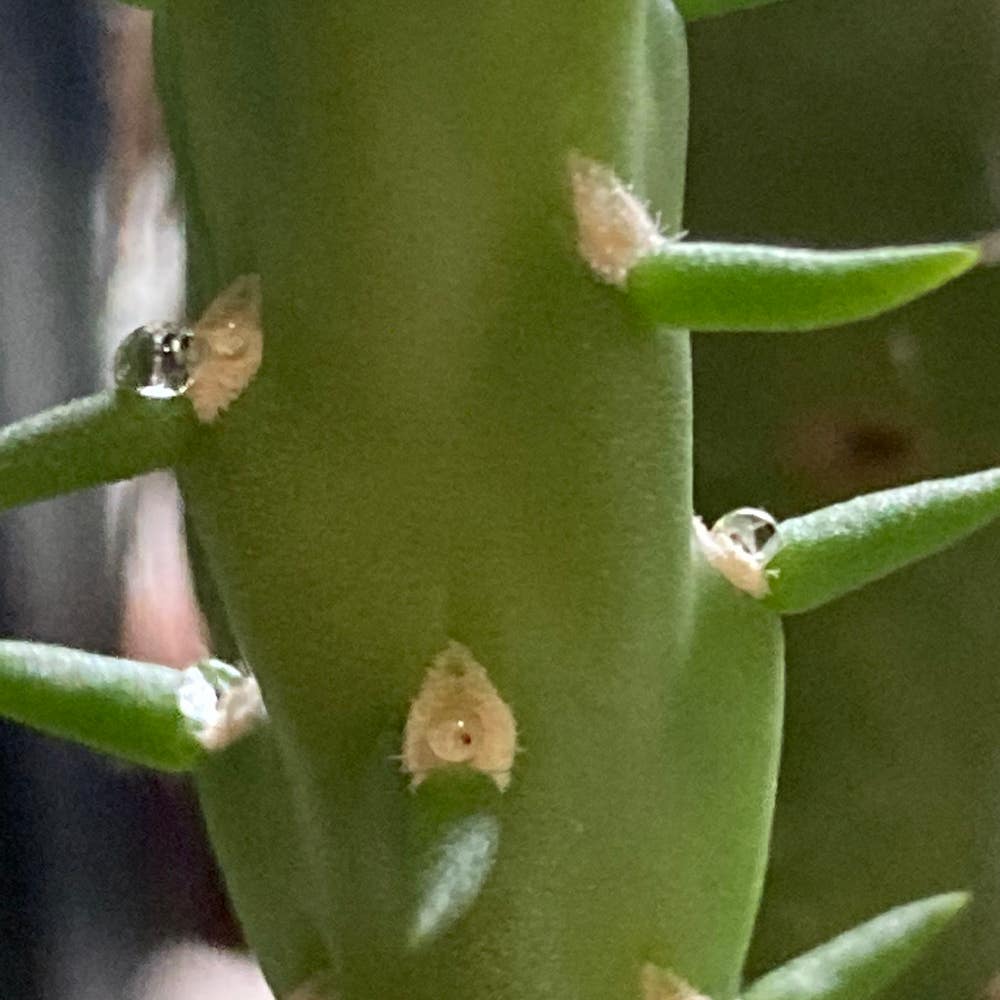
🧸 Propagating Hoffmann's Teddy Bear Cholla: Step-by-Step Guide
Cylindropuntia fosbergii
By the Greg Editorial Team
Feb 29, 2024•5 min read
This article was created with the help of AI so we can cover more plants for you. May contain errors. See one? Report it here.
- 🌱 Seed stratification and depth critical for germination success.
- 🌵 Stem cuttings and offsets need well-draining soil, light, and care.
- 🚫 Prevent mold and rot by managing moisture and environmental conditions.
Step-by-Step Seed Propagation
🌱 Choosing and Preparing Seeds
Selecting viable seeds is like assembling a dream team; you want the best players. Look for seeds that are mature and show no signs of damage or disease. Cleanliness is crucial—ensure seeds are free from pulp and debris. For a head start, consider stratification: a chill period that tricks seeds into thinking they've weathered winter. Mix seeds with damp sand or vermiculite, bag them, and refrigerate for about 30-60 days. Check regularly for signs of life.
🌱 Sowing and Germinating Seeds
When it's time to plant, use a sterile, well-draining mix—think succulent or cacti blend. Sow seeds at just the right depth; too deep and they might not see the light, too shallow and they could dry out. Cover lightly with soil and maintain a temperature of 65-75°F. Moisture is key, but avoid waterlogged soil; think mist, not monsoon. Patience is your new best friend—germination can take anywhere from 3 to 45 days.
🌱 Seedling Care
Once your seedlings make an appearance, remove any cover to prevent damping off—a fancy term for mold city. Place them in a spot with ample light but shield them from direct sun; they're not ready for that kind of spotlight. Watering should be a gentle affair; a light mist to keep the soil moist will do. When seedlings look sturdy and have a few true leaves, it's time to transplant. They've outgrown their first home and need more space to thrive.
Stem Cutting Propagation: A Quick and Easy Method
🌱 Selecting and Preparing Stem Cuttings
When eyeing potential stem cuttings, vigor is your mantra. Choose stems that are robust and show no signs of distress. A clean, sharp snip below a node is your ticket to propagation paradise.
Callusing your cuttings is not a step to skip. Let them dry for a few days, creating a barrier against rot. It's like prepping a shield before battle. Rooting hormone? Optional, but it's like a secret growth elixir.
🌿 Rooting Your Stem Cuttings
The right soil mix is your cutting's best friend. Think well-draining, yet moisture-retentive. A pencil's width hole welcomes your cutting without much fuss, and firming the soil sets the stage for stability.
Light and temperature are the backing vocals to your lead singer cutting. Bright, indirect light and a cozy temperature range set the stage for root growth. Keep it moist, but not waterlogged—think of it as a hydration balance beam.
🌱 Aftercare for Rooted Cuttings
Once roots make their debut, it's time for a pot party. Transition your rooted cuttings to individual pots when they're sturdy enough to handle the move.
Long-term care is a marathon, not a sprint. Monitor watering, provide ample light, and repot when your plant starts to feel like a giant in a dollhouse. It's all about reading the room—or pot, in this case.
Offsets Propagation: Growing New Plants Naturally
🌱 Identifying and Harvesting Offsets
Offsets are your Cholla's natural clones, ready to start life anew. Look for plump offsets with a few roots—these are prime candidates for propagation. Use a sterilized knife to separate them from the mother plant, ensuring minimal damage. Let the cut ends dry for a day or two to prevent rot.
🏺 Potting and Encouraging Root Development
Choose a well-draining soil mix and a pot with drainage holes for your offsets. Plant them shallowly, just enough to stand upright. Water sparingly—overwatering is the enemy of cactus roots. Provide bright, indirect light and watch for signs of growth, indicating successful root development.
🌿 Offsets Aftercare
As your offsets establish, they'll need more space. Monitor their growth and plan to repot when they seem cramped. Continue to water sparingly and provide ample light. With patience and care, you'll witness the birth of new, independent Cholla plants.
Troubleshooting Common Propagation Issues
🌱 Seed Propagation Challenges
Mold and Non-Germination
When mold rears its ugly head among your seeds, it's a clear sign that your moisture levels are off the charts. Dial back on the water and improve airflow to combat this fuzzy foe. Seeds that refuse to sprout are often victims of either a too-cold shoulder or a too-dry environment. Ensure consistent warmth and moisture for better luck next time.
Environmental Stress Management
Keep a log of your propagation attempts. It's not just for show; it's a crucial tool for pinpointing where things went awry. If seeds are stubborn, consider a gentle nudge with a rooting hormone. It's like a backstage pass for roots that need a little extra encouragement to join the show.
Stem Cutting and Offsets Troubles
Rot and Poor Rooting
Root rot in cuttings and offsets is like a bad habit—hard to break if you keep overwatering. Ensure your soil is well-draining and only moist, never soggy. If rot has set in, don't despair. Trim the affected areas, repot in sterile soil, and cross your fingers.
Salvaging Struggling Plants
For cuttings that won't take root, check your technique. Are you cutting near the nodes? Nodes are the VIP lounges for root growth. And remember, sterilize your tools to avoid spreading plant diseases like a common cold.
Aftercare for Troubled Plants
Adjusting care for plants that have had a rough start is like recalibrating a compass. If they're throwing shade (and not the good kind), move them to a brighter spot, but keep them out of direct sunlight. Consider grow lights if your natural light is more elusive than a good parking spot. Remember, good airflow is like an invisible shield; it keeps those pesky fungal spores from settling down.
Patience is Key
Finally, remember that propagation is a marathon, not a sprint. Keep the soil just moist enough and give your plants time to adjust, recover, and grow. Patience is not just a virtue; it's the secret sauce in the propagation recipe.
⚠️ Safety First
This content is for general information and may contain errors, omissions, or outdated details. It is not medical, veterinary advice, or an endorsement of therapeutic claims.
Always consult a qualified healthcare professional before using any plant as food, medicine, or supplement.
Never eat any plant (or feed one to pets) without confirming its identity with at least two trusted sources.
If you suspect poisoning, call Poison Control (800) 222-1222, the Pet Poison Helpline (800) 213-6680, or your local emergency service immediately.
Spotted an error? Please report it here.
Ensure your Hoffmann's Teddy Bear Cholla thrives from seed to sprout with Greg's custom care plans 🌱, guiding you through each step with precision and patience.