🐰 Should I Repot My Easter Lily And If So, How?
Amaryllis belladonna
By the Greg Editorial Team
Jun 14, 2024•6 min read
This article was created with the help of AI so we can cover more plants for you. May contain errors. See one? Report it here.
Boost your Easter Lily's 🌱 vitality and bloom by mastering the timely art of repotting. 🌼
- Root circling? Time to repot your Easter Lily for better growth.
- 🌱 Repot post-flowering in spring to align with the plant's growth cycle.
- Choose well-draining soil and pot; terracotta for airflow, plastic for moisture.
Recognizing When to Repot Your Easter Lily
🌱 Signs Your Easter Lily Needs a New Home
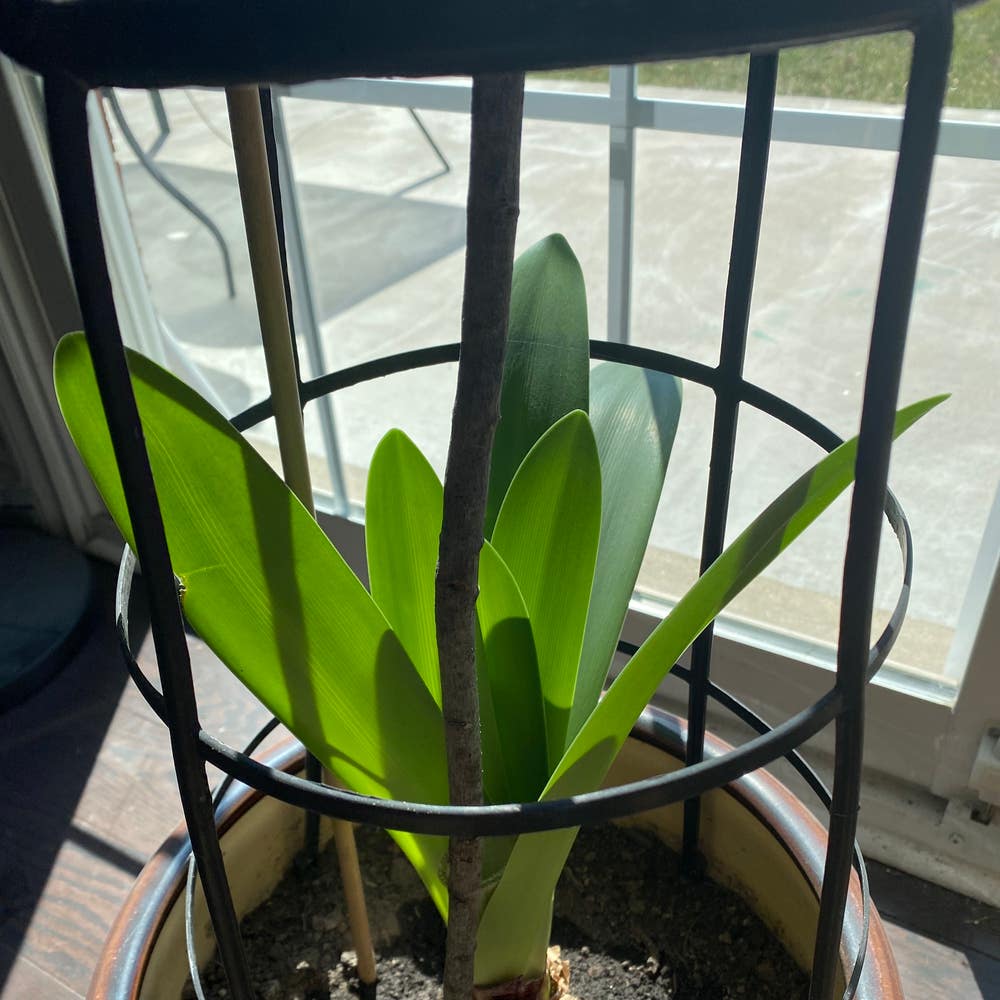
Roots making a break for it through the drainage hole? That's your Easter Lily's version of waving a white flag. If the roots are circling the pot's interior like a botanical whirlpool, it's time to repot.
🕵️♂️ Inspecting the Root System
Gently slide your lily from its pot. Rootbound plants will have roots wound tightly, struggling for space. If they're more root than soil, it's repotting o'clock.
🚑 Overall Plant Health Check
Yellowing leaves? Stunted growth? These could be cries for help from an overcrowded pot. A quick health check can save your lily from the brink.
🏢 The Pot Size Puzzle
If your lily's towering over its pot like a skyscraper, it's probably feeling a bit cramped. A pot more than twice the height of the plant is a no-go.
🚰 Drainage: The Lifeline
Poor drainage can lead to root rot, a silent killer. Ensure your pot isn't holding water like a dam.
🌷 Timing Is Everything
Spring, when growth is vigorous, is the prime time for repotting. Don't miss this window of opportunity for your lily to thrive in a new space.
🩺 To Sum It Up
Keep an eye out for visual cues and trust your gut. If something seems off, a new pot might just be the remedy your Easter Lily needs.

Choosing the Optimal Time to Repot
⏰ Timing is Everything
Post-flowering is your Easter Lily's sweet spot for repotting. Once the last petal drops, your plant shifts focus from showy blooms to root and leaf growth. This is when it's primed for a change of scenery—aka a new pot.
🌱 Seasonal Considerations
Spring and summer are your allies here. Plants are in their growth phase, soaking up the longer days. Repotting during this time capitalizes on their natural cycle, encouraging a robust recovery and minimizing stress. Winter repotting? Not so much. It's the plant world's version of hibernation, so best to let sleeping lilies lie.
🌦 Weathering the Change
Keep an eye on the forecast. A mild, overcast day is ideal for repotting. You want to avoid the double whammy of transplant shock and scorching sun or a frosty chill. Remember, your Easter Lily doesn't have a weather app, so you're on meteorological duty.
🏡 Indoor Insights
For the indoor gardeners, light duration is your cue. As days lengthen, your Easter Lily gets the signal to grow. This is your green light to repot. Just ensure you're not doing it under the blazing midday sun, which can be as welcome as a snowstorm at a barbecue.

Preparing for Repotting: Pot and Soil Selection
🏺 The Right Pot: Material Matters
Terracotta pots are the go-to for many gardeners; their porous nature promotes airflow, reducing the risk of root rot. However, they're heavier and can dry out more quickly than other types. Plastic pots are lightweight champions, with better moisture retention, but they don't breathe like terracotta. Ceramic pots offer a middle ground, with less porosity than terracotta but more style points. Size is crucial: too big, and you risk waterlogged soil; too small, and your lily's growth is stifled.
💧 Soil Selection: Drainage is Key
For the Easter Lily's delicate roots, think well-draining and nutrient-rich. A mix of potting soil, perlite, and a bit of compost creates an environment where roots can thrive without being waterlogged. Avoid soils that are too dense or that dry out too fast; your lily's roots prefer consistent moisture without the sogginess. Remember, a happy root system equals a happy Easter Lily.

Step-by-Step Guide to Repotting Easter Lilies
🌱 Materials Needed
- New pot (1-2 inches larger in diameter)
- Fresh, well-draining soil mix
- Watering can with water
- Trowel
- Scissors or a sharp knife
- Gauze or plastic netting (for drainage)
🌷 Removing the Lily from Its Current Pot
- Gently tap the sides and bottom of the current pot.
- If the lily doesn't slide out, use a chopstick to help push the root ball from the drainage holes.
🏺 Preparing the New Pot
- Cover the drainage holes with gauze to prevent soil loss.
- Add a layer of fresh potting mix at the base of the pot.
🌿 Preparing the Lily
- Tease apart coiled roots with your fingers.
- Prune away any dead or black roots.
- Make light slashes on the rootball to stimulate new growth.
🌼 Potting the Lily
- Place the lily in the center of the new pot.
- Ensure roots are spread out and not cramped.
- Add soil around the roots, tamping down gently.
- Water thoroughly.
🌞 Post-Repotting
- Place the pot in a bright location but avoid direct sunlight initially.
- Monitor the lily for signs of stress and adjust care as needed.
Remember, the goal is to give your Easter Lily a fresh start without the drama. Keep it simple, keep it safe, and your lily will thank you with a flourish of blooms.
Post-Repotting Care for Easter Lilies
After repotting your Easter Lily, it's crucial to nurture it through the adjustment period. Here's how to keep your plant happy and stress-free.
🌡️ Essential Aftercare Tips
- Temperature: Keep it cool, ideally between 60° to 65° F during the day, slightly cooler at night.
- Sunlight: Protect from direct beams; rotate the pot every couple of days for even growth.
- Watering: Aim for moist, not swampy. Ditch the decorative foil at watering time to let the soil breathe.
- Humidity: Boost it with a pebble-filled saucer of water beneath the pot.
🕵️ Spotting and Addressing Stress
- Yellow Leaves: Could scream 'thirsty!' Only water when the top inch of soil feels like a dry martini.
- Wilting: Give it time, but if the slump continues post-adjustment phase, play detective—check for root rot or pests.
- Stunted Growth: Not a fan of poor soil or bad lighting. A fortnightly feed and a well-lit stage can work wonders.
- Drooping: It's not always a crisis. Plants can throw a fit after moving. If it persists, reassess your care routine.
Remember, your Easter Lily is resilient. With the right care, it'll bounce back faster than a boomerang in a wind tunnel.
⚠️ Safety First
This content is for general information and may contain errors, omissions, or outdated details. It is not medical, veterinary advice, or an endorsement of therapeutic claims.
Always consult a qualified healthcare professional before using any plant as food, medicine, or supplement.
Never eat any plant (or feed one to pets) without confirming its identity with at least two trusted sources.
If you suspect poisoning, call Poison Control (800) 222-1222, the Pet Poison Helpline (800) 213-6680, or your local emergency service immediately.
Spotted an error? Please report it here.
Ensure your Easter Lily flourishes after repotting by using Greg to monitor 🌷 its needs, from the perfect watering schedule to spotting signs of stress, for a blooming success.