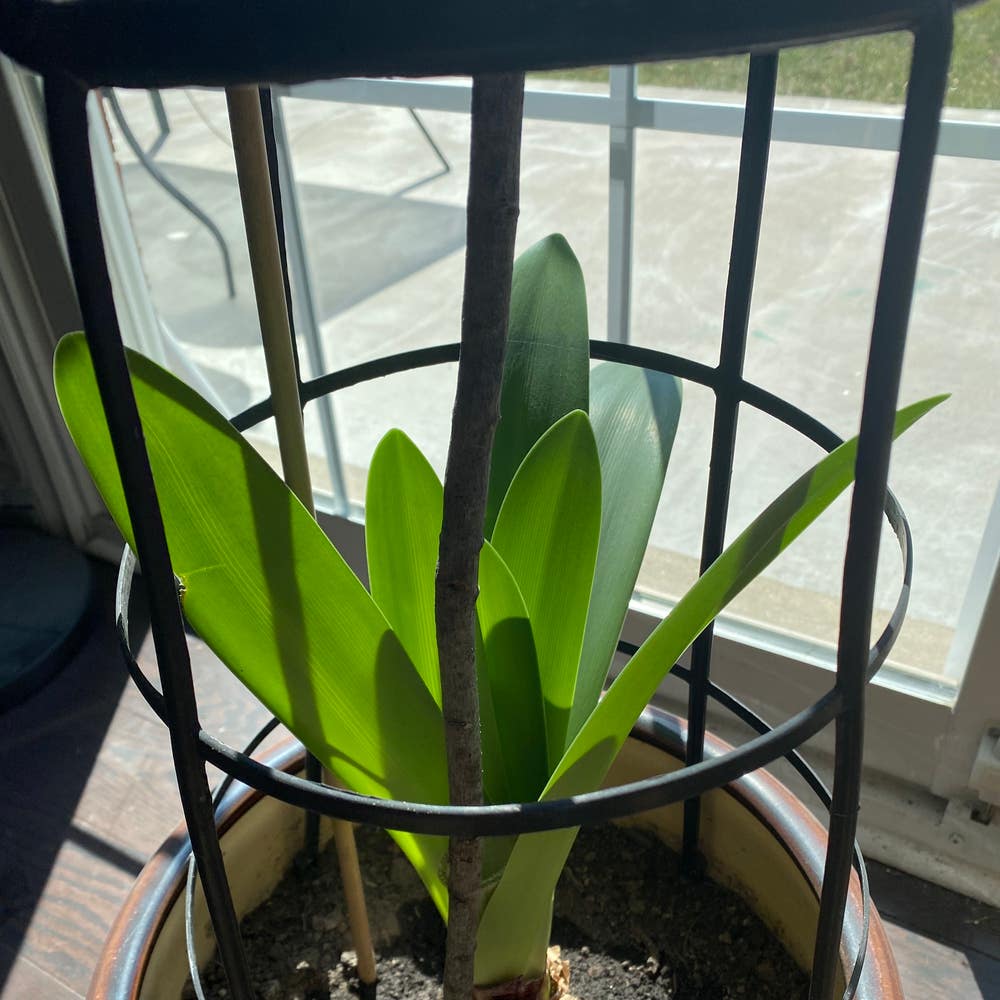
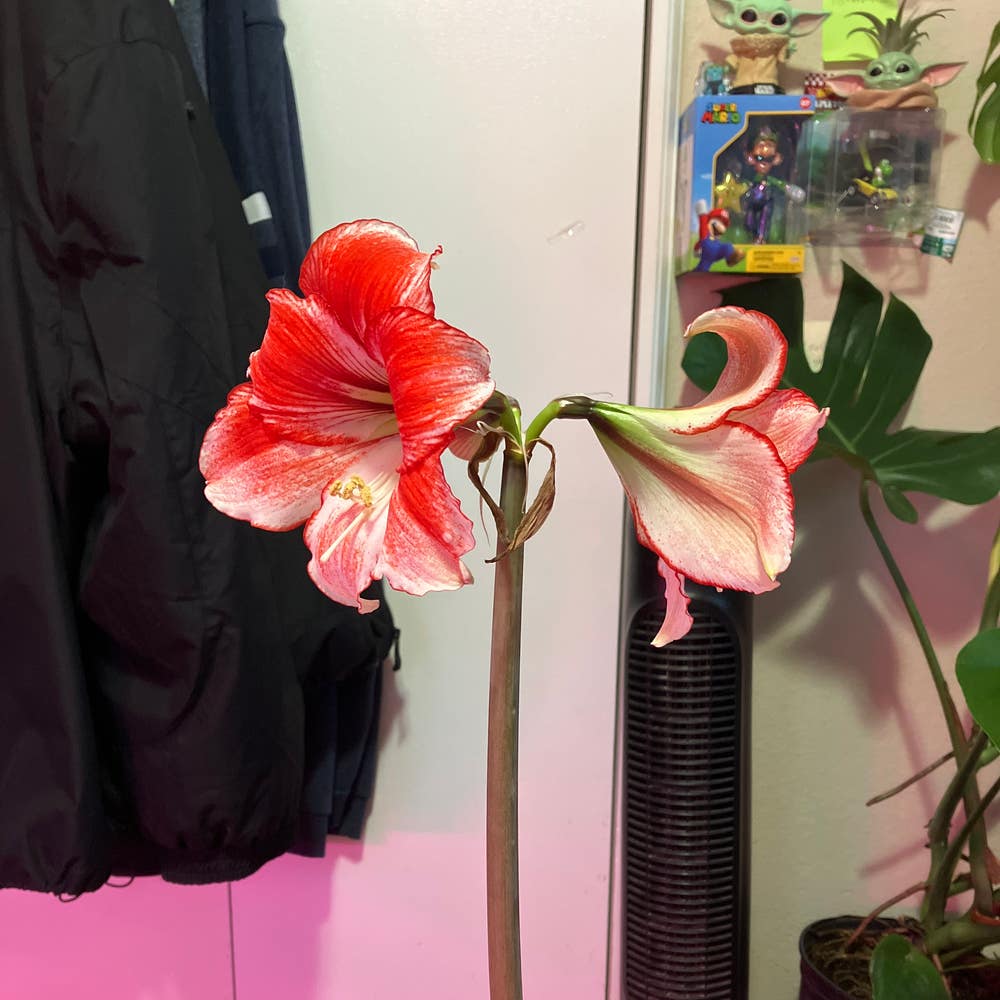
🌼 What to Do When Your Belladonna Lily Leaves Turn Yellow
Amaryllis belladonna
By the Greg Editorial Team
Nov 08, 2024•6 min read
This article was created with the help of AI so we can cover more plants for you. May contain errors. See one? Report it here.
Revive your belladonna lilies 🌼 by uncovering the hidden causes of yellowing leaves for vibrant growth!
- 🌱 Yellow leaves indicate issues like overwatering, underwatering, or nutrient deficiencies.
- 🐛 Pests like aphids and spider mites can cause yellowing; inspect regularly.
- 💧 Consistent watering and fertilization are key to maintaining healthy belladonna lilies.
Causes of Yellowing Leaves
💧 Overwatering and Its Effects
Overwatering is a common culprit behind yellowing leaves in belladonna lilies. Symptoms include yellowing, especially in the lower leaves, wilting despite wet soil, and the potential development of root rot.
Proper soil drainage is crucial to prevent waterlogging. A recommended soil mix is two parts potting soil to one part sand or perlite, ensuring your plant thrives.
🚰 Underwatering and Drought Stress
On the flip side, underwatering can also lead to yellowing leaves. Look for yellowing at the tips, crispy or dry leaf edges, and stunted growth as signs of drought stress.
To combat this, establish a consistent watering schedule. Aim to water every one to two weeks, adjusting based on weather conditions.
🥦 Nutrient Deficiencies
Nitrogen Deficiency
A lack of nitrogen manifests as general yellowing of older leaves and stunted growth. To remedy this, use a balanced fertilizer with nitrogen during the growing season.
Potassium Deficiency
Potassium deficiency presents itself with yellowing leaves and browning edges, along with weak stems. Applying a potassium-rich fertilizer or organic compost can help restore balance.
🐛 Pest Infestations
Common Pests
Pests can wreak havoc on your belladonna lilies, leading to yellowing leaves. Aphids, for instance, leave a sticky residue and cause curled leaves, while spider mites create fine webbing and stippled leaves.
Control methods include using insecticidal soap or neem oil for aphids and increasing humidity or applying miticides for spider mites.
🍄 Fungal Diseases
Root Rot
Root rot is another serious issue, characterized by yellowing leaves, wilting, and dark, mushy roots. Prevention is key; ensure proper soil drainage and consider fungicides if necessary.
Leaf Spot
Leaf spot appears as dark spots on leaves with yellowing around them. To manage this, remove affected leaves and apply fungicides as needed.
Understanding these causes is essential for maintaining healthy belladonna lilies. By addressing these issues promptly, you can ensure your plants remain vibrant and thriving. Next, we’ll explore how to diagnose yellow leaves effectively.
Diagnosing Yellow Leaves
🌼 Identifying Symptoms
When your belladonna lily leaves start turning yellow, it's crucial to identify the underlying cause.
Overwatering is often the culprit, leading to soft, mushy leaves and yellowing at the base. Conversely, underwatering results in dry, crispy leaves with yellowing tips.
Nutrient deficiencies can also manifest as yellowing. General yellowing might indicate a lack of nutrients, while specific patterns, like yellowing leaf edges, can point to particular deficiencies.
Regular inspections are essential for detecting pests and diseases. Look for pests on leaves and stems, and check for signs of fungal infections, such as spots or wilting.
🌤️ Assessing Environmental Conditions
Environmental factors play a significant role in your plant's health.
Monitor light exposure and temperature fluctuations closely. Adjust your care routine based on seasonal changes and the specific needs of your belladonna lily.
By understanding these symptoms and environmental conditions, you can better diagnose the issues affecting your plant. This knowledge sets the stage for effective treatment and care, ensuring your belladonna lily thrives.
Treatment and Alleviation
🌊 Adjusting Watering Practices
Establishing a consistent watering schedule is crucial for your Belladonna Lily's health. Monitor the soil moisture and adjust your watering frequency accordingly, ensuring the plant receives just the right amount of water.
To help you stay on track, consider using the Greg plant care app. This AI-powered tool sends reminders based on your plant's specific needs, making it easier to maintain optimal care.
🌱 Fertilization Techniques
A well-planned fertilization schedule can significantly enhance your plant's growth. Aim to fertilize every 4-6 weeks during the growing season to provide essential nutrients.
You can choose between balanced NPK fertilizers or organic compost. Both options can help replenish the nutrients your Belladonna Lily needs to thrive.
🐞 Pest Control Methods
Organic Options
Managing pests organically is a sustainable choice for your garden. Neem oil and insecticidal soap are effective treatments that can help control common pests without harming beneficial insects.
Additionally, introducing beneficial insects like ladybugs can naturally reduce pest populations. These little helpers will feast on aphids and other nuisances, keeping your plants healthy.
Chemical Options
In cases of severe infestations, targeted chemical pesticides may be necessary. Always follow label instructions carefully to ensure safe and effective application.
Using the right chemical treatments can help protect your Belladonna Lily from persistent pests while minimizing harm to the surrounding environment.
🍄 Managing Fungal Infections
Fungal infections can be detrimental to your plant's health, but there are effective treatment options available. Start by removing any affected leaves to prevent the spread of the infection.
Improving air circulation around your plant can also help reduce humidity levels, making it less hospitable for fungi. If necessary, apply appropriate fungicides to combat the infection and restore your plant's vitality.
🌿 Improving Soil Drainage and Aeration
Proper soil drainage is essential for preventing yellowing leaves and root rot. To enhance drainage, amend your soil with sand or perlite, which helps create a lighter, more aerated mix.
Ensure that your pots have adequate drainage holes. This simple step can prevent water from accumulating at the bottom, keeping your Belladonna Lily's roots healthy and happy.
By addressing these treatment and alleviation strategies, you can help your Belladonna Lily recover from yellowing leaves and thrive in your care. Next, let's explore some preventative measures to keep your plant healthy in the long run.
Preventative Measures
🌊 Best Practices for Watering
Water your Belladonna Lily thoroughly, ensuring the soil is saturated. However, allow the soil to dry out between watering sessions to prevent overwatering.
Monitor weather conditions closely. Adjust your watering frequency based on rainfall and temperature to keep your plant healthy.
🌱 Soil Selection and Amendments
Choose well-draining soil mixes to avoid water retention, which can lead to root rot. A mix of potting soil with sand or perlite works wonders for drainage.
Consider adding organic matter to improve soil structure. This enhances aeration and nutrient retention, promoting robust growth.
🔍 Regular Inspection for Pests and Diseases
Schedule bi-weekly checks to catch any potential issues early. Look for signs of pests or diseases that could affect your plant's health.
Maintain a clean garden area to reduce pest habitats. This simple step can significantly decrease the likelihood of infestations.
🌦️ Seasonal Care Tips
Adjust your watering and fertilization based on seasonal growth patterns. Plants have different needs during their active and dormant phases.
Protect your Belladonna Lily from extreme weather conditions. Use mulch or coverings during harsh temperatures to shield your plant.
☀️ Proper Placement for Optimal Light and Temperature
Position your Belladonna Lily in a location that receives adequate sunlight. This ensures it thrives and produces vibrant blooms.
During peak summer heat, consider using shade cloths. This helps prevent leaf scorch and keeps your plant comfortable.
With these preventative measures in place, your Belladonna Lily will be well-equipped to thrive. Next, we’ll explore how to diagnose yellowing leaves effectively.
⚠️ Safety First
This content is for general information and may contain errors, omissions, or outdated details. It is not medical, veterinary advice, or an endorsement of therapeutic claims.
Always consult a qualified healthcare professional before using any plant as food, medicine, or supplement.
Never eat any plant (or feed one to pets) without confirming its identity with at least two trusted sources.
If you suspect poisoning, call Poison Control (800) 222-1222, the Pet Poison Helpline (800) 213-6680, or your local emergency service immediately.
Spotted an error? Please report it here.
Keep your belladonna lily vibrant and healthy 🌱 by using Greg's tailored reminders for watering and nutrient care to prevent yellowing leaves and ensure optimal growth!