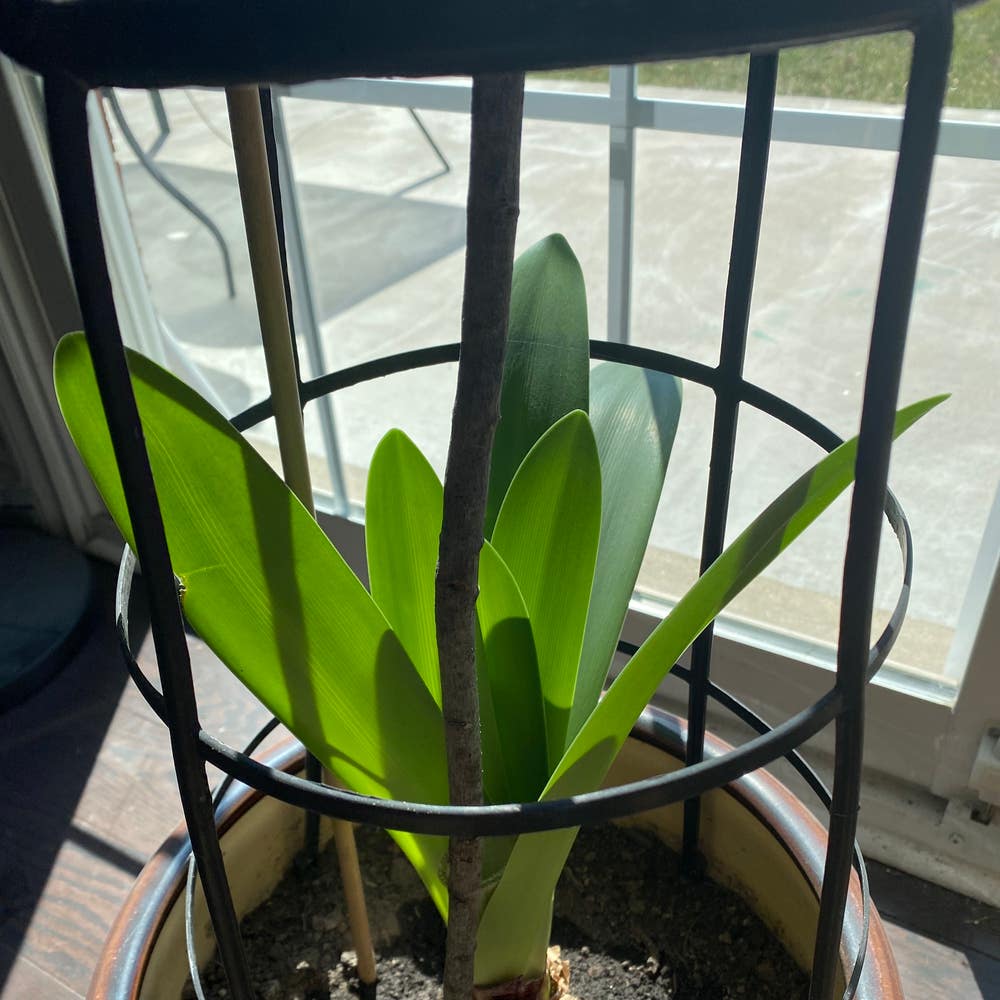
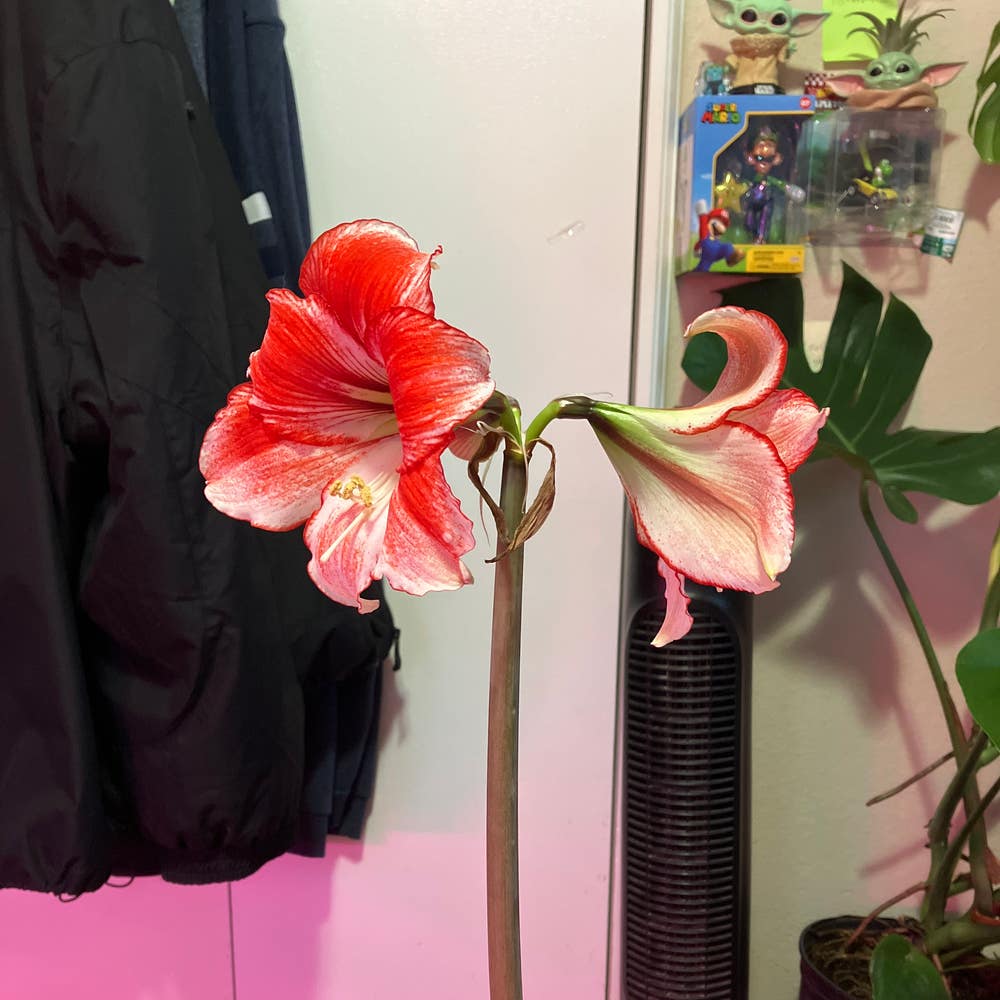
When to Plant: Belladonna Lily 🌸
Amaryllis belladonna
By the Greg Editorial Team
Nov 08, 2024•7 min read
This article was created with the help of AI so we can cover more plants for you. May contain errors. See one? Report it here.
Unlock vibrant blooms by mastering the timing for planting your Belladonna Lilies! 🌸🌱
- 🌡️ Optimal soil temperature for Belladonna Lilies is 60°F to 70°F for healthy growth.
- 📅 Timing matters: Planting months vary by state; check local guidelines for success.
- 🌞 Day length affects flowering; longer days promote better growth and blooming potential.
Importance of Frost Dates
🌨️ Determining Frost Dates
Frost dates are crucial for gardeners, marking the last frost in spring and the first frost in fall. Understanding these dates helps you plan your planting schedule effectively.
Planting after the last frost is essential to protect young plants from cold damage. If you plant too early, you risk losing your precious Belladonna Lilies to unexpected frosts.
Knowing your local frost dates can make all the difference in your gardening success. It’s not just about timing; it’s about giving your plants the best chance to thrive.
By checking local gardening resources or using online tools, you can determine the specific frost dates for your area. This knowledge empowers you to plant with confidence, ensuring your Belladonna Lilies bloom beautifully.
As you prepare for planting, remember that timing is everything. Next, we’ll explore how soil temperature plays a vital role in the growth of your Belladonna Lilies.
Soil Temperature Considerations
🌡️ Ideal Soil Temperature
For Belladonna Lilies to thrive, the optimal soil temperature ranges from 60°F to 70°F (15°C to 21°C). This temperature range is crucial for bulb development and root establishment, ensuring your plants grow strong and healthy.
🔍 Methods to Check Soil Temperature
To accurately gauge soil temperature, using a soil thermometer is your best bet. Insert the thermometer into the soil about 4 inches deep, ideally in the morning when the sun isn’t too intense, for the most reliable reading.
Timing is also key; check the soil temperature a few days before you plan to plant. This way, you can ensure conditions are just right for your Belladonna Lilies to take root and flourish.
With the right soil temperature in mind, you’re well on your way to creating a thriving garden. Next, let’s explore how day length influences the growth cycles of these beautiful flowers.
Day Length and Planting Timing
🌞 Impact of Day Length
Day length, or photoperiod, refers to the duration of daylight in a 24-hour period. This factor plays a crucial role in the growth cycles of plants, including the Belladonna Lily, which thrives with longer days.
Longer daylight hours stimulate flowering and growth, making it essential to consider this when planning your planting schedule. The Belladonna Lily, in particular, benefits from extended sunlight, leading to vibrant blooms and robust development.
🗺️ Regional Variations
Day length varies significantly across different regions, influencing when you should plant your Belladonna Lily. For instance, areas closer to the equator experience less variation in day length throughout the year compared to regions further north or south.
This variation can affect your planting schedule. In northern states, longer days in late spring may encourage earlier planting, while southern states might have a more consistent schedule due to their stable day lengths. Understanding these regional differences ensures you plant at the optimal time for your specific location.
As you prepare to plant, keep in mind how day length interacts with other factors like frost dates and soil temperature. This holistic approach will set you up for success in growing beautiful Belladonna Lilies.
Regional Planting Considerations
Ideal Planting Months 🌱
When it comes to planting Belladonna Lily, timing is everything. Here’s a quick guide to the ideal planting months across various states:
Florida: March to April
Florida's warm climate allows for an early start, making March to April the perfect window for planting.California: March to May
With its diverse climates, California offers flexibility. Aim for March to May for optimal growth.Texas: March to April
Texas gardeners should plant between March and April to take advantage of the mild spring weather.New York: Late April to May
In New York, wait until late April to May to ensure the risk of frost has passed.Colorado: Late May to June
Colorado's cooler climate means a later planting window, from late May to June.Ohio: Late April to May
Ohio residents should also target late April to May for planting, aligning with the warming temperatures.
Understanding these regional variations helps you plan effectively. By planting at the right time, you set your Belladonna Lilies up for success, ensuring vibrant blooms and healthy growth.
As you prepare to plant, keep in mind the importance of local climate conditions. This knowledge will guide you in creating the best environment for your Belladonna Lilies to thrive.
Next, let’s explore seed starting techniques to give your plants a head start!
Seed Starting Techniques
Indoor vs. Direct Sowing 🌱
Starting seeds indoors offers a controlled environment that can lead to earlier growth. This method allows you to manage temperature and light, giving your Belladonna Lily a head start before the outdoor conditions are ideal.
On the other hand, direct sowing takes advantage of natural conditions. This approach minimizes transplant shock, allowing the plants to adapt more easily to their surroundings.
Timing for Starting Seeds Indoors ⏰
For optimal results, start your seeds indoors 6 to 8 weeks before the last frost date. This timing ensures that your seedlings are robust and ready for transplanting when the weather warms up.
Don't forget to harden off your seedlings before moving them outdoors. Gradually acclimating them to outdoor conditions helps prevent stress and promotes healthy growth.
Best Practices for Direct Sowing 🌾
Preparing the soil is crucial for successful direct sowing. Ensure your soil is well-drained and fertile to provide the best environment for your Belladonna Lily.
When sowing, plant the seeds 1 to 2 inches deep and space them about 12 inches apart. This spacing allows for adequate airflow and room for growth, ensuring your plants thrive.
With these seed starting techniques, you're well on your way to cultivating beautiful Belladonna Lilies. Next, let’s explore a comprehensive planting guide that summarizes key factors for successful growth.
Comprehensive Planting Guide
🌱 Summary of Key Factors
When planting Belladonna Lily, understanding frost dates, soil temperature, and day length is crucial. These elements directly influence the health and growth of your plants.
Frost dates mark the last frost in spring and the first frost in fall. Planting after the last frost protects young plants from damage, ensuring they thrive.
Soil temperature plays a vital role in bulb development. Aim for a range of 60°F to 70°F (15°C to 21°C) for optimal root establishment.
Day length affects plant growth cycles. Longer days promote flowering and overall growth, making timing essential for successful planting.
📅 Planting Calendar for All 52 States
To simplify your planting schedule, here’s a detailed chart of recommended planting months for Belladonna Lily across the United States:
| State | Recommended Planting Months |
|---|---|
| Florida | March to April |
| California | March to May |
| Texas | March to April |
| New York | Late April to May |
| Colorado | Late May to June |
| Ohio | Late April to May |
This calendar serves as a guide to help you align your planting efforts with regional climates. By considering these factors, you can set your Belladonna Lily up for success.
With a solid understanding of these key factors and a planting schedule tailored to your region, you're well on your way to cultivating beautiful Belladonna Lilies. Next, let’s explore effective seed starting techniques to give your plants the best possible start.
⚠️ Safety First
This content is for general information and may contain errors, omissions, or outdated details. It is not medical, veterinary advice, or an endorsement of therapeutic claims.
Always consult a qualified healthcare professional before using any plant as food, medicine, or supplement.
Never eat any plant (or feed one to pets) without confirming its identity with at least two trusted sources.
If you suspect poisoning, call Poison Control (800) 222-1222, the Pet Poison Helpline (800) 213-6680, or your local emergency service immediately.
Spotted an error? Please report it here.
Plant your Belladonna Lilies at the perfect time 🌱 with Greg's tailored reminders and local climate insights to help you cultivate a stunning garden!