🌸 9 Perfect Spots to Plant Your Belladonna Lily
Amaryllis belladonna
By the Greg Editorial Team
Nov 08, 2024•4 min read
This article was created with the help of AI so we can cover more plants for you. May contain errors. See one? Report it here.
Create a stunning garden sanctuary 🌸 by expertly planting Belladonna Lilies with these essential tips!
- 🌞 Belladonna Lilies thrive in full sunlight; assess your garden's light exposure.
- 🌱 Ensure proper drainage by testing soil and choosing the right planting spot.
- 🌼 Pair with drought-tolerant companions for enhanced growth and visual appeal.
Assessing the Best Spot
🌞 Evaluating Sunlight and Shade Patterns
To successfully plant your Belladonna Lily, start by observing your garden throughout the day. Identify areas that bask in consistent sunlight versus those that remain shaded, as this will significantly impact growth.
Utilizing a sun chart or a smartphone app can help you track sunlight exposure effectively. Remember, the angle of the sun changes with the seasons, so adjust your observations accordingly to ensure your lilies thrive year-round.
🏞️ Analyzing Soil Drainage and Quality
Next, it's crucial to analyze your soil's drainage and quality. Conduct a simple drainage test by digging a hole about 12 inches deep and filling it with water; ideally, the water should drain within 1-2 hours.
Assessing soil texture is also important. Determine the composition of your soil—sand, silt, and clay ratios—since these factors directly influence drainage and overall plant health.
🌤️ Considering Microclimates in the Garden
Understanding microclimates can give your Belladonna Lily a significant advantage. Microclimates are areas within your garden that experience different climate conditions compared to the surrounding space.
Look for locations near walls, fences, or large trees that might provide warmth or shade. Positioning your lilies in these microclimates can protect them from harsh weather, promoting optimal growth and blooming.
By carefully assessing sunlight, soil quality, and microclimates, you can create the perfect environment for your Belladonna Lily. Next, let’s explore essential environmental considerations to ensure your plants flourish.
Environmental Considerations
🌬️ Wind Protection Strategies
Wind can be a silent enemy to your Belladonna Lily, causing damage to its delicate flowers and leaves. Protecting these beauties is essential for their health and longevity.
Natural windbreaks are your first line of defense. Consider planting hedges, erecting fences, or positioning taller plants nearby to shield your lilies from strong gusts. These natural barriers not only protect but also enhance the garden's aesthetic.
If natural options fall short, think about creating artificial barriers. Installing garden screens or trellises can significantly reduce wind exposure, ensuring your Belladonna Lily thrives in a more stable environment.
🍂 Seasonal Changes and Their Impact on Location
Understanding seasonal weather patterns is crucial for successful gardening. Temperature fluctuations can dictate where and how you plant your Belladonna Lily.
During extreme weather, be proactive. Moving pots indoors or providing additional shelter can safeguard your plants from harsh conditions. This simple adjustment can make a significant difference in their growth and flowering potential.
By considering wind protection and seasonal changes, you can create an optimal environment for your Belladonna Lily. Next, let's explore the benefits of companion planting and how it can enhance your garden design.
Companion Planting and Garden Design
🌼 Best Companion Plants for Belladonna Lily
When selecting companion plants for your Belladonna Lily, focus on drought-tolerant varieties that thrive under similar conditions. Avoid plants that require high moisture levels, as they can compete for resources and hinder the lily's growth.
Companion planting not only enhances growth but also reduces pest issues through increased biodiversity. By creating a balanced ecosystem, you can enjoy a healthier garden.
🌿 Designing a Garden Bed with Belladonna Lily
Creating an appealing garden bed with Belladonna Lily involves thoughtful layout considerations. Group your lilies with complementary plants to enhance visual appeal and create a cohesive look.
Consider layering your plants: place taller varieties behind the Belladonna Lily to add depth and dimension. This technique not only improves aesthetics but also ensures that all plants receive adequate sunlight.
To maintain year-round interest, mix flowering plants with those that provide foliage. This strategy keeps your garden vibrant through every season.
🎨 Aesthetic Considerations for Plant Placement
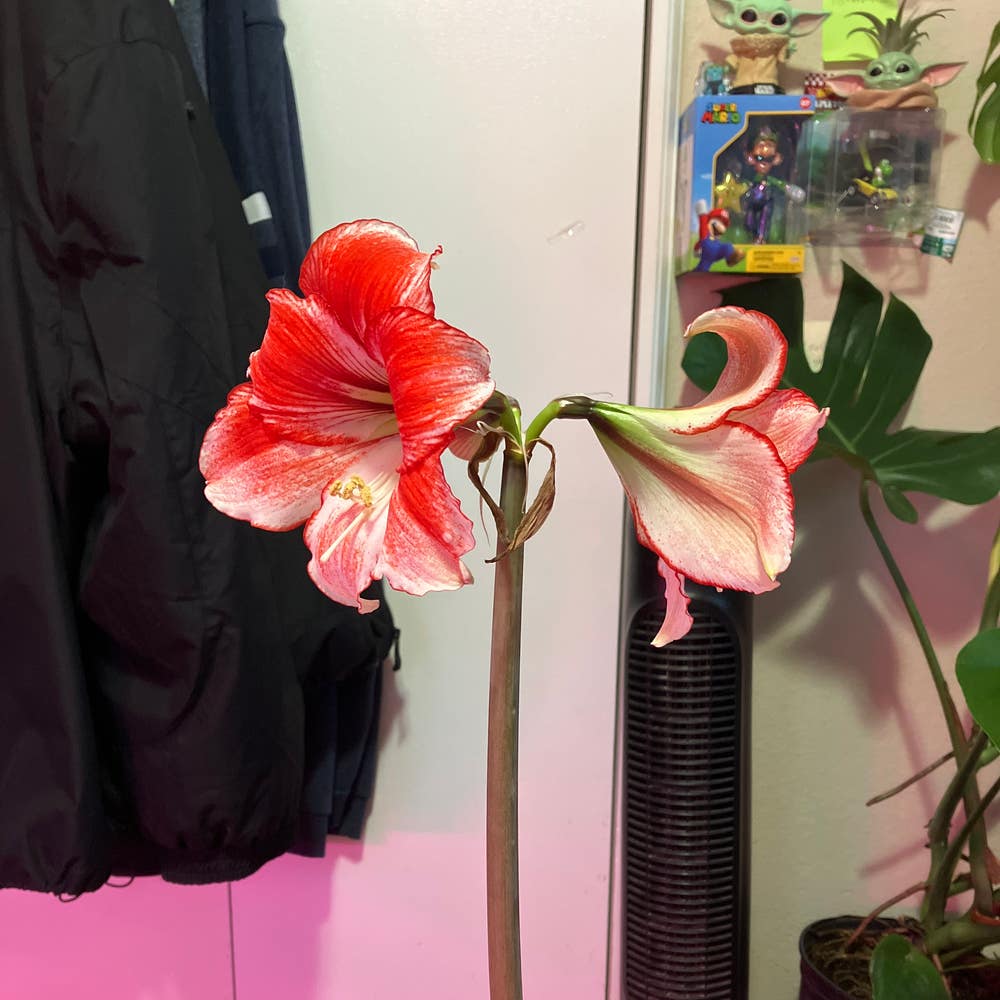
Color coordination plays a vital role in garden design. Pair your Belladonna Lily with plants that enhance its stunning pink flowers, creating a harmonious palette.
Incorporate textural variety by mixing different leaf shapes and sizes. This adds visual interest and makes your garden more engaging.
Finally, think about focal points in your design. Position the Belladonna Lily as a centerpiece or accent within your garden beds to draw the eye and create a stunning visual impact.
With these strategies, your garden will not only flourish but also become a beautiful sanctuary. Next, let’s explore how to ensure your Belladonna Lily thrives through environmental considerations.
⚠️ Safety First
This content is for general information and may contain errors, omissions, or outdated details. It is not medical, veterinary advice, or an endorsement of therapeutic claims.
Always consult a qualified healthcare professional before using any plant as food, medicine, or supplement.
Never eat any plant (or feed one to pets) without confirming its identity with at least two trusted sources.
If you suspect poisoning, call Poison Control (800) 222-1222, the Pet Poison Helpline (800) 213-6680, or your local emergency service immediately.
Spotted an error? Please report it here.
Transform your garden into a blooming paradise 🌷 by using Greg's tailored tips to ensure your Belladonna Lilies thrive in their perfect spots!