Ultimate Guide to Pollinating Belladonna Lily 🐝
Amaryllis belladonna
By the Greg Editorial Team
Nov 08, 2024•6 min read
This article was created with the help of AI so we can cover more plants for you. May contain errors. See one? Report it here.
Uncover the belladonna lily's stunning design and pollination secrets that sustain its vibrant life! 🌼
- 🌸 Belladonna lilies attract bees, butterflies, and hummingbirds with their vibrant colors and fragrance.
- 🌱 Self-pollination ensures survival, while cross-pollination boosts genetic diversity and adaptability.
- 🐝 Creating a pollinator-friendly garden enhances belladonna lily reproduction and supports ecosystem health.
Flower Structure
🌸 Description of Flower Anatomy
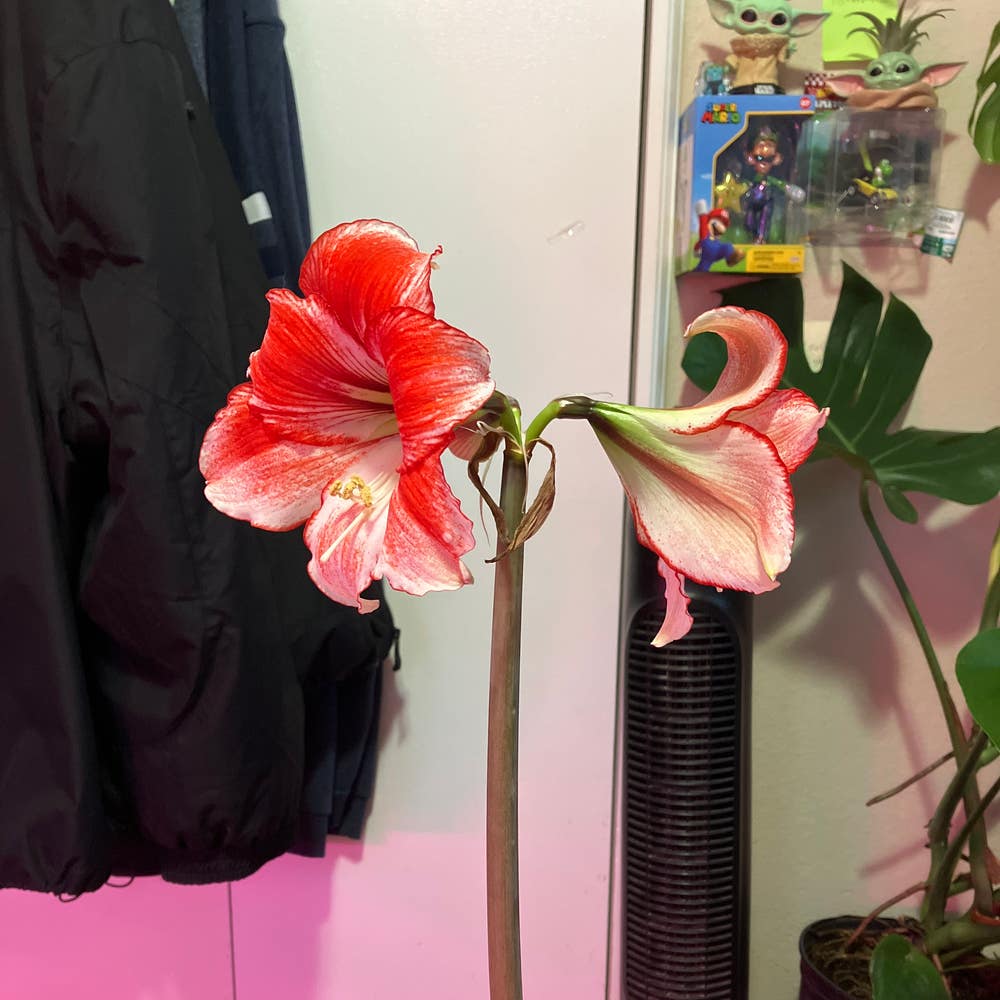
The belladonna lily boasts large, trumpet-shaped flowers that are visually striking. These blooms come in a variety of colors, including purple, pink, and white, each attracting different pollinators.
The flower's anatomy consists of several key components: petals, sepals, stamens, and pistils. The petals are arranged in a way that not only enhances their beauty but also serves to attract pollinators. Sepals protect the flower during its bud development, ensuring it opens beautifully.
Stamens, the male reproductive parts, produce pollen, while the pistils serve as the female reproductive parts that receive this pollen. This intricate structure plays a crucial role in the plant's reproductive success.
🐝 How Flower Structure Facilitates Pollination
The fragrance of belladonna lilies is a powerful attractant for various pollinator species. This scent acts as a beacon, drawing in bees, butterflies, and other insects that are essential for pollination.
Additionally, the shape and vibrant colors of the flowers enhance their visibility, making them hard to miss. The strategic arrangement of reproductive parts allows for effective pollen transfer, ensuring that pollinators can easily access the pollen and facilitate fertilization during their visits.
In summary, the flower structure of the belladonna lily is not just for show; it is a finely tuned system designed to maximize pollination success. This natural design leads us seamlessly into the next section, where we will explore the fascinating pollination process itself.
Pollination Process
🌸 Self-Pollination Process
Self-pollination is a fascinating mechanism where pollen from the stamens fertilizes the pistils within the same flower. This process ensures that the belladonna lily can reproduce even when pollinators are absent, providing a reliable means of propagation.
The ability to self-pollinate is particularly advantageous in environments where pollinator activity may be limited. It guarantees that the plant can continue its life cycle, contributing to its resilience and survival.
🌼 Cross-Pollination Requirements
Cross-pollination introduces genetic diversity, enhancing the adaptability of belladonna lilies. Identifying primary pollinator species is crucial for this process.
- Bees are attracted by the vibrant colors and sweet fragrance, playing a significant role in transferring pollen.
- Butterflies engage with the flower structure, promoting effective cross-pollination as they move from bloom to bloom.
- Moths, drawn to the scent, contribute to pollination during the night.
- Hummingbirds are attracted to the unique flower shape and nectar, making them essential pollinators.
To attract these pollinators, belladonna lilies utilize various mechanisms.
🌈 Visual Cues
Bright colors and large blooms make the flowers highly visible, drawing in pollinators from afar.
🌺 Olfactory Cues
A strong fragrance signals the availability of nectar, enticing pollinators to visit. This combination of visual and olfactory cues is vital for successful cross-pollination.
Understanding these processes not only highlights the intricate relationships between plants and pollinators but also emphasizes the importance of maintaining healthy ecosystems. As we delve deeper into the natural pollination process, we will explore how these interactions contribute to the survival of belladonna lilies and their environment.
Natural Pollination
🌼 Description of Natural Pollination Process
Natural pollination is a fascinating dance between plants and their pollinators. Pollen transfer occurs primarily through wind and insect activity, which helps move pollen from the anthers of one flower to the stigmas of another.
This process is crucial for the reproduction of belladonna lilies. It ensures seed production and promotes genetic diversity, both vital for the survival of the species.
🐝 Importance of Pollination
Pollination is not just a botanical necessity; it's a lifeline for ecosystems. It supports the growth of fruits and seeds, which in turn sustains various wildlife.
Without effective pollination, belladonna lilies—and countless other plants—would struggle to thrive. This interconnectedness highlights the importance of protecting our pollinators and their habitats.
As we explore the world of pollination, it becomes clear that every flower plays a role in the larger ecological tapestry. Understanding this process enriches our appreciation for nature and encourages us to nurture these vital relationships.
Next, we’ll delve into the methods of hand pollination, a useful technique when natural pollination falls short.
Hand Pollination
Hand pollination is a valuable technique for ensuring the successful reproduction of belladonna lilies, especially when natural pollinators are scarce. Here’s a straightforward guide to help you navigate the process.
Step 1: Identifying Male and Female Flower Parts 🌸
Start by examining the flower closely. Locate the stamens, which are the male parts that produce pollen, and the pistils, the female parts that receive pollen.
Step 2: Collecting Pollen 🧪
Next, it's time to gather pollen. Gently tap or brush the stamens with a clean tool, like a cotton swab, to collect the pollen without damaging the flower.
Step 3: Transferring Pollen 🔄
Once you have collected the pollen, carefully apply it to the stigma of the pistil. This step is crucial for fertilization and should be done with precision.
Step 4: Timing for Successful Fertilization ⏰
Timing is everything! The optimal time for hand pollination is early morning when the flowers are fully open and most receptive to pollen.
Hand pollination not only boosts your chances of successful fertilization but also deepens your connection with these beautiful plants. By taking this hands-on approach, you can ensure that your belladonna lilies thrive, even in challenging conditions.
As you master hand pollination, consider how you can support pollinators in your garden. This leads us to the next important topic: creating a pollinator-friendly environment.
Supporting Pollinators
🌼 Creating a Pollinator-Friendly Environment
To attract a variety of pollinators, plant a diverse range of flowering species. This diversity not only draws in different types of pollinators but also supports their health and well-being.
Providing water sources and shelter is equally important. Pollinators need hydration and safe spaces to rest and nest, so consider adding shallow water dishes and native plants that offer shelter.
🌱 Suggested Companion Plants
Certain plants can enhance your garden's appeal to pollinators:
- Marigolds: These vibrant flowers attract beneficial insects while deterring pests.
- Lavender: Known for its lovely scent, lavender provides nectar for bees and butterflies, making it a favorite among pollinators.
- Coneflowers: These hardy blooms offer food sources for a variety of pollinators, ensuring your garden remains lively and productive.
🚧 Pollination Challenges
Common Obstacles to Successful Pollination
Pollination success can be hindered by environmental factors. Temperature fluctuations and humidity levels can disrupt the delicate balance needed for effective pollination.
Additionally, a lack of pollinators due to habitat loss or pesticide use poses a significant challenge. Protecting these essential creatures is crucial for maintaining healthy ecosystems.
Solutions for Overcoming Challenges
To combat these challenges, implement strategies that enhance pollinator habitats. This can include planting native species and creating varied landscapes that support diverse pollinator populations.
Timing is also key. Align your planting and care routines with peak pollinator activity to maximize their visits. When natural pollination falls short, consider utilizing hand pollination techniques to ensure successful fertilization.
By fostering a supportive environment for pollinators, you not only enhance your garden but also contribute to the broader ecosystem. This commitment to pollinator health is essential for the survival of many plant species, including the beautiful belladonna lily.
⚠️ Safety First
This content is for general information and may contain errors, omissions, or outdated details. It is not medical, veterinary advice, or an endorsement of therapeutic claims.
Always consult a qualified healthcare professional before using any plant as food, medicine, or supplement.
Never eat any plant (or feed one to pets) without confirming its identity with at least two trusted sources.
If you suspect poisoning, call Poison Control (800) 222-1222, the Pet Poison Helpline (800) 213-6680, or your local emergency service immediately.
Spotted an error? Please report it here.
Boost your belladonna lilies' pollination success 🌸 with Greg's tailored care tips that help you create a thriving environment for these stunning blooms and their pollinators!