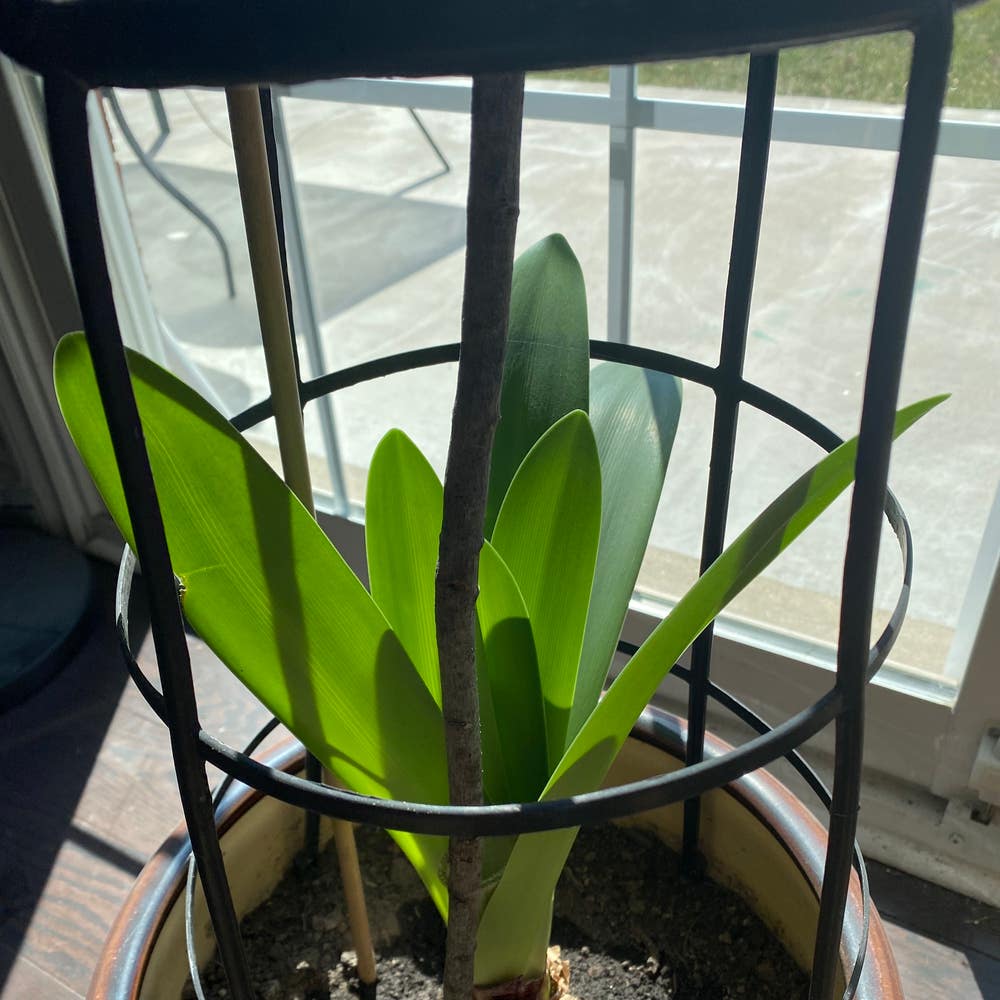
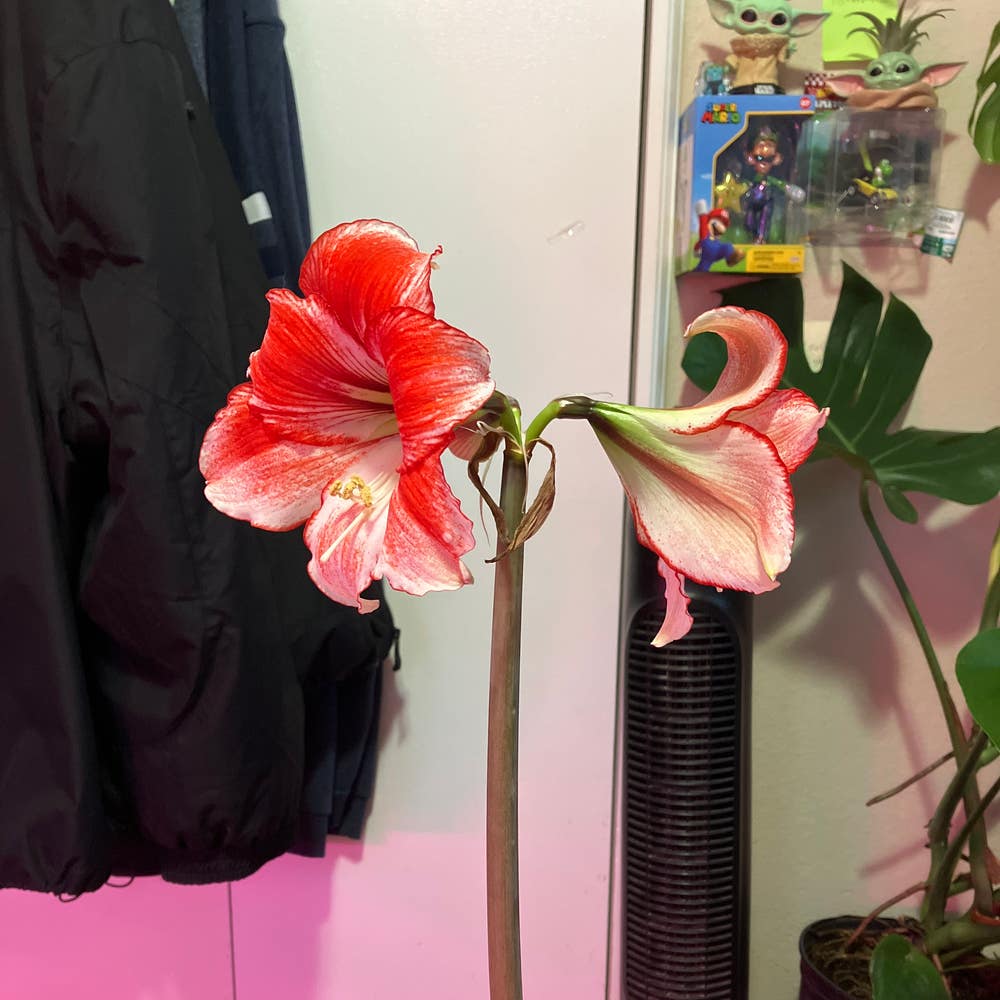
🌸 What to Do About Droopy Leaves on Your Belladonna Lily
Amaryllis belladonna
By the Greg Editorial Team
Nov 08, 2024•7 min read
This article was created with the help of AI so we can cover more plants for you. May contain errors. See one? Report it here.
Transform your droopy Belladonna Lily 🌱 into a thriving beauty with these essential care tips for vibrant growth!
- 💧 Droopy leaves indicate overwatering or underwatering; adjust watering accordingly.
- 🌱 Well-draining soil prevents root rot and supports healthy Belladonna Lilies.
- 🌡️ Maintain humidity and temperature to avoid stress and droopy leaves.
Causes of Droopy Leaves
💧 Overwatering and Its Effects
Overwatering is a common culprit behind droopy leaves on your Belladonna Lily. Symptoms include yellowing leaves, mushy bulbs, and wilting, which can lead to root rot and permanent damage if not addressed.
Proper soil drainage is crucial to prevent waterlogging. Ensure your plant is in well-drained soil to promote healthy growth.
🌵 Underwatering and Its Effects
On the flip side, underwatering can also cause droopy leaves. Look for crispy, brown leaf tips and drooping foliage, which indicate stress on the bulb and can lead to weakened growth or even death.
To avoid this, allow the top inch of soil to dry out before watering again. This simple practice can keep your plant thriving.
🏞️ Soil Quality and Drainage Issues
Soil quality plays a significant role in the health of your Belladonna Lily. The ideal soil composition is well-draining with organic matter to retain some moisture.
Signs of poor drainage include puddles forming on the surface and slow water absorption. To improve drainage, consider amending the soil with sand or perlite.
🌡️ Environmental Stress Factors
🌡️ Temperature
Temperature fluctuations can stress your plant, leading to droopy leaves. The ideal range for Belladonna Lilies is between 20°C to 25°C (68°F to 77°F).
Extreme temperatures can cause leaf droop due to heat stress or cold shock. Monitor your plant's environment to keep it within this range.
🌬️ Humidity
Humidity levels also impact your plant's health. Belladonna Lilies prefer moderate to high humidity.
Low humidity can dry out leaves, resulting in droop. Consider using a humidifier or placing a pebble tray with water nearby to maintain optimal humidity.
🐛 Pest Infestations and Their Impact
Pests can wreak havoc on your Belladonna Lily, leading to droopy leaves. Common pests include aphids, which leave sticky residue and cause distorted leaves.
Pest damage can deplete nutrients, exacerbating the droop. Control methods like insecticidal soap or neem oil can help manage these infestations effectively.
🦠 Disease-Related Causes of Leaf Droop
Diseases can also contribute to droopy leaves. Bulb rot is a common issue, characterized by mushy bulbs and a foul odor.
Preventing this requires proper watering techniques and ensuring good soil drainage. If you encounter bulb rot, remove affected bulbs and treat the remaining ones with fungicide to prevent further spread.
Understanding these causes is essential for maintaining the health of your Belladonna Lily. By addressing these issues promptly, you can help your plant recover and thrive.
Diagnosing Droopy Leaves
🌿 Identifying Symptoms of Droop
Droopy leaves on your Belladonna Lily can signal several issues. Look for visual signs like leaf curling, discoloration, and overall wilting, which indicate that your plant is in distress.
Early detection is crucial. Addressing these symptoms promptly can prevent further damage and help your plant recover more effectively.
💧 Assessing Soil Moisture Levels
To determine if your plant is getting the right amount of water, assess the soil moisture levels. You can use the finger test—simply insert your finger into the soil to check for dampness—or opt for a moisture meter for a more accurate reading.
The ideal moisture level is moist but not soggy. Ensuring your soil maintains this balance is key to keeping your Belladonna Lily healthy.
🐛 Checking for Pests and Diseases
Regular inspections are essential for maintaining your plant's health. Look closely for visible pests or signs of disease on both the leaves and bulbs.
Prompt action is vital. If you spot any issues, addressing them immediately can save your plant from further decline.
🌞 Evaluating Environmental Conditions
Environmental factors play a significant role in your plant's well-being. Start by assessing light exposure; your Belladonna Lily thrives in full sun, requiring 6-8 hours of direct sunlight daily.
Additionally, monitor temperature and humidity levels. Using a thermometer and hygrometer can help you maintain the ideal conditions for your plant's growth.
By diagnosing these key areas, you can take proactive steps to revive your droopy Belladonna Lily. Next, let's explore effective treatment options to restore its vitality.
Treatment for Droopy Leaves
🌊 Adjusting Watering Practices
To revive your belladonna lily, start by adjusting your watering schedule. Water the plant when the top inch of soil feels dry to the touch, ensuring you don’t overdo it.
Deep watering is key; this encourages the roots to grow deeper and stronger. Aim for a thorough soak that allows excess water to drain out of the pot.
🏞️ Improving Soil Drainage
Next, focus on enhancing soil drainage to prevent future droopiness. Incorporate sand or perlite into your existing soil mix to improve its structure and drainage capabilities.
If your plant is in a pot without drainage holes, consider re-potting it into one that does. This simple change can make a significant difference in the health of your belladonna lily.
🐛 Treating Pests and Diseases
Pests and diseases can also contribute to droopy leaves, so keep an eye out for any signs of trouble. If you spot pests, apply insecticidal soap or neem oil to eliminate them effectively.
For diseases, promptly remove any affected parts of the plant. Applying fungicides can help prevent the spread of issues like bulb rot, ensuring your lily stays healthy.
🌤️ Environmental Adjustments
Finally, make necessary environmental adjustments to support your plant's recovery. If your belladonna lily isn’t getting enough light, move it to a sunnier spot where it can soak up 6-8 hours of sunlight daily.
Monitor temperature and humidity levels as well. Using a humidifier or placing a pebble tray filled with water near the plant can help maintain the moisture it craves.
By implementing these treatment strategies, you can help your belladonna lily bounce back from droopy leaves and thrive once again. Next, let’s explore how to prevent droopy leaves in the future, ensuring your plant remains vibrant and healthy.
Preventing Droopy Leaves
🌊 Best Practices for Watering
Establishing a consistent watering routine is crucial for your Belladonna Lily's health. Regularly monitor soil moisture to ensure it stays just right—not too dry and not too soggy.
Consider using the Greg plant care app for AI-powered reminders. This handy tool can help you stay on top of your watering schedule, ensuring your plant gets the care it needs.
🌱 Soil Preparation and Maintenance
Soil quality plays a significant role in preventing droopy leaves. Periodically check the pH and nutrient levels of your soil to ensure it meets the needs of your plant.
Regularly amend your soil by adding organic matter. This practice helps maintain soil health and provides essential nutrients for your Belladonna Lily.
🐛 Regular Pest and Disease Monitoring
Schedule bi-weekly inspections of your plants to catch any signs of pests or diseases early. This proactive approach can save your plant from potential damage.
Implement preventive measures, such as using organic pesticides. These can deter pests before they become a problem, keeping your plant healthy and vibrant.
🌼 Seasonal Care Tips
Adjust your care routine during the plant's dormancy period. This means reducing watering and avoiding fertilizing to give your Belladonna Lily a chance to rest.
As the blooming season approaches, prepare by increasing watering and providing nutrients. This will help your plant thrive and produce beautiful blooms.
By following these preventive measures, you can keep your Belladonna Lily healthy and vibrant, minimizing the chances of droopy leaves. Next, let’s explore how to monitor the recovery of leaves after treatment.
Post-Treatment Care
Monitoring Recovery of Leaves 🌱
After addressing the droopy leaves on your Belladonna Lily, keep an eye out for signs of recovery. Look for new growth, upright leaves, and vibrant color as indicators that your plant is bouncing back.
Patience is key during this phase. Recovery can take time, especially if the plant was severely stressed.
Adjusting Care Based on Plant Response 🔄
As your Belladonna Lily begins to recover, tailor your care practices accordingly. Modify your watering and feeding schedule based on how the plant responds to treatment.
It's also helpful to document any changes you make. Keeping a log of care adjustments and plant responses can provide valuable insights for future reference.
Long-Term Maintenance Strategies 🛠️
Establishing a consistent care routine is crucial for the long-term health of your plant. Regularly check soil moisture, light exposure, and pest presence to ensure optimal conditions.
Additionally, educate yourself on the seasonal needs of your Belladonna Lily. Understanding its specific requirements throughout the year will help you provide the best care possible.
By following these post-treatment care strategies, you can nurture your Belladonna Lily back to health and enjoy its beauty for years to come.
⚠️ Safety First
This content is for general information and may contain errors, omissions, or outdated details. It is not medical, veterinary advice, or an endorsement of therapeutic claims.
Always consult a qualified healthcare professional before using any plant as food, medicine, or supplement.
Never eat any plant (or feed one to pets) without confirming its identity with at least two trusted sources.
If you suspect poisoning, call Poison Control (800) 222-1222, the Pet Poison Helpline (800) 213-6680, or your local emergency service immediately.
Spotted an error? Please report it here.
Revive your Belladonna Lily and keep those leaves perky 🌱 by using Greg's tailored watering reminders and moisture checks to ensure it thrives in the perfect environment!