🌸 The #1 Top Companion Plant for Belladonna Lily
Amaryllis belladonna
By the Greg Editorial Team
Nov 08, 2024•5 min read
This article was created with the help of AI so we can cover more plants for you. May contain errors. See one? Report it here.
Elevate your garden's beauty 🌼 and health by mastering companion planting with Belladonna Lily and its perfect partners!
- 🌼 Agapanthus is the top companion plant, thriving alongside Belladonna Lily in similar conditions.
- 🐝 Lavender repels pests while adding fragrance, protecting your Belladonna Lily effectively.
- 🌿 Salvia attracts pollinators and deters deer, enhancing Belladonna Lily's garden ecosystem.
Best Companion Plants
Plant 1: Agapanthus 🌼
Agapanthus, commonly known as African Lily, is an excellent companion for Belladonna Lily. It thrives in full sun and well-drained soil, making it a perfect match for the growing conditions that Belladonna Lily prefers.
The striking blue or white flowers of Agapanthus beautifully complement the vibrant blooms of Belladonna Lily. Additionally, its bulbous growth habit creates a harmonious structure in the garden, enhancing visual appeal.
Plant 2: Lavender 🌿
Lavender is not just a fragrant addition to your garden; it also serves as a natural pest repellent. Its ability to deter aphids and other harmful insects makes it a valuable ally for protecting Belladonna Lily.
This aromatic plant prefers dry conditions, aligning perfectly with the moisture needs of Belladonna Lily. The sensory appeal of lavender's foliage adds another layer of beauty to your garden.
Plant 3: Salvia 🦋
Salvia is a fantastic choice for attracting pollinators, such as bees and butterflies, which are essential for a thriving garden ecosystem. Its vibrant colors enhance the overall aesthetic, making your garden a visual delight.
Moreover, Salvia is drought-tolerant and shares similar moisture requirements with Belladonna Lily. This compatibility ensures that both plants can thrive together without competing for resources.
These companion plants not only enhance the beauty of your garden but also contribute to a healthier growing environment for your Belladonna Lily. By selecting the right companions, you can create a vibrant and harmonious garden space.
Next, we will explore how these companion plants can help manage pests effectively.
Pest Management
🌱 How Companion Plants Can Deter Pests
Companion plants play a crucial role in pest management by utilizing their natural scents and chemical properties. These characteristics can confuse or repel harmful insects, creating a protective barrier around your Belladonna Lily.
Additionally, companion plants disrupt pest life cycles. By attracting beneficial insects or providing habitats that are less favorable for pests, they help maintain a balanced ecosystem in your garden.
🛡️ Specific Pest-Repellent Properties
Agapanthus: This vibrant plant is known to repel certain beetles and aphids, keeping your Belladonna Lily safe from these common threats.
Lavender: Renowned for its aromatic foliage, lavender effectively deters moths and mosquitoes, making it a valuable ally in your garden.
Salvia: Not only does salvia add color, but it also deters deer and rabbits, protecting your precious Belladonna Lily from these garden invaders.
🐞 Examples of Pests and Companion Roles
Common pests like aphids, spider mites, and bulb flies can wreak havoc on your garden. Companion plants serve as a natural defense, reducing pest populations and safeguarding your Belladonna Lily.
By integrating these companion plants, you create a more resilient garden ecosystem. This approach not only enhances the health of your plants but also fosters a thriving environment for beneficial insects.
In the next section, we will explore how to enhance the visual appeal of your garden through thoughtful plant combinations.
Visual Appeal and Aesthetic Considerations
🎨 Importance of Visual Harmony
Creating a cohesive garden design is essential for maximizing the beauty of your space. By thoughtfully combining colors and textures, you can enhance the overall impact of your garden.
🌈 Color and Texture Combinations
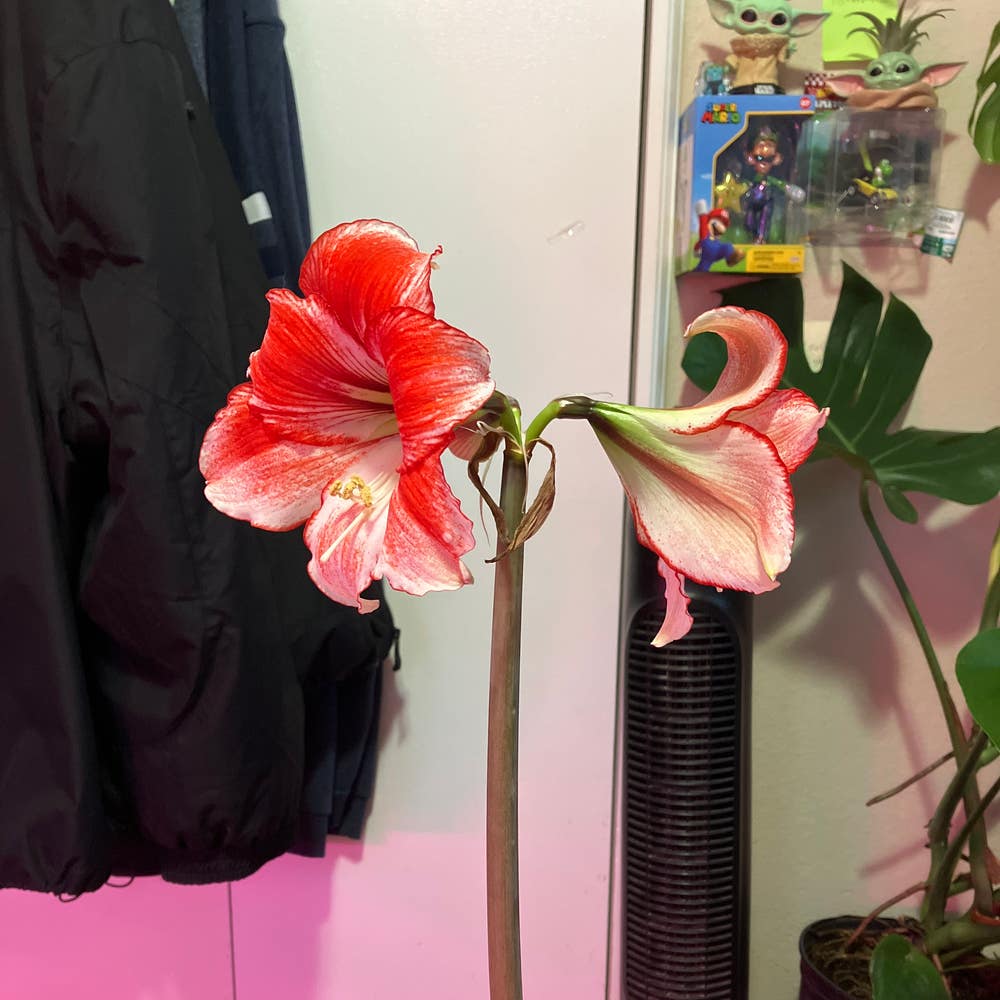
The contrast between the Belladonna Lily's large, dramatic flowers and the finer textures of companion plants creates visual interest. This interplay not only captivates the eye but also adds depth to your garden's design.
🌼 Seasonal Interest Provided by Companions
Timing is everything when it comes to blooming schedules. By selecting flowering companions that bloom at different times, you can ensure your garden remains visually appealing throughout the seasons.
Foliage changes also play a significant role in maintaining aesthetics. Different plants contribute unique textures and colors, enriching your garden's appearance year-round.
Incorporating these elements will not only beautify your garden but also create a dynamic environment that evolves with the seasons. As you plan your companion planting, consider how each choice contributes to the overall visual narrative of your garden.
Plants to Avoid
🌱 List of incompatible plants
When planning your garden alongside Belladonna Lily, it's crucial to know which plants to steer clear of. Toxic plants, such as certain types of foxglove and oleander, can pose serious risks if ingested, especially for pets and children.
Heavy feeders, like tomatoes and corn, can also be problematic. They compete for nutrients and moisture, potentially stunting the growth of your Belladonna Lily.
⚠️ Reasons for incompatibility
Competition for nutrients is a significant concern. Heavy feeders can drain the soil of essential resources, leaving your Belladonna Lily struggling to thrive.
Additionally, some plants attract pests that can increase vulnerability. For instance, certain flowering plants may draw aphids or spider mites, which can wreak havoc on your lily.
Overwatering sensitivity is another factor to consider. Plants that require more moisture than Belladonna Lily can lead to root rot and other issues, jeopardizing the health of your prized blooms.
By avoiding these incompatible plants, you can create a thriving environment for your Belladonna Lily. This careful selection will help ensure your garden flourishes without unnecessary stress or competition.
As you plan your garden, keep these considerations in mind to maintain a healthy and vibrant space.
⚠️ Safety First
This content is for general information and may contain errors, omissions, or outdated details. It is not medical, veterinary advice, or an endorsement of therapeutic claims.
Always consult a qualified healthcare professional before using any plant as food, medicine, or supplement.
Never eat any plant (or feed one to pets) without confirming its identity with at least two trusted sources.
If you suspect poisoning, call Poison Control (800) 222-1222, the Pet Poison Helpline (800) 213-6680, or your local emergency service immediately.
Spotted an error? Please report it here.
Enhance your Belladonna Lily's health and beauty with perfect companions like Agapanthus and Lavender 🌿, and let Greg guide you with tailored care tips for a thriving garden!