🌸 Belladonna Lily: Not an Annual
Amaryllis belladonna
By the Greg Editorial Team
Nov 08, 2024•3 min read
This article was created with the help of AI so we can cover more plants for you. May contain errors. See one? Report it here.
Transform your garden with the resilient Belladonna Lily 🌸, a perennial beauty that blooms year after year!
- 🌸 Belladonna Lily is a perennial, thriving long-term with vibrant flowers and bulb growth.
- 🌱 It undergoes dormancy, re-emerging in late winter or early spring for stunning blooms.
- 🌿 Proper care ensures health - focus on watering, fertilization, and pest management.
Belladonna Lily as a Perennial
🌱 Genetic Characteristics
The Belladonna Lily, scientifically known as Amaryllis belladonna, is a striking perennial native to South Africa. Its bulbous structure is a key genetic trait that supports its ability to thrive year after year.
🌼 Physiological Traits Supporting Perennial Growth
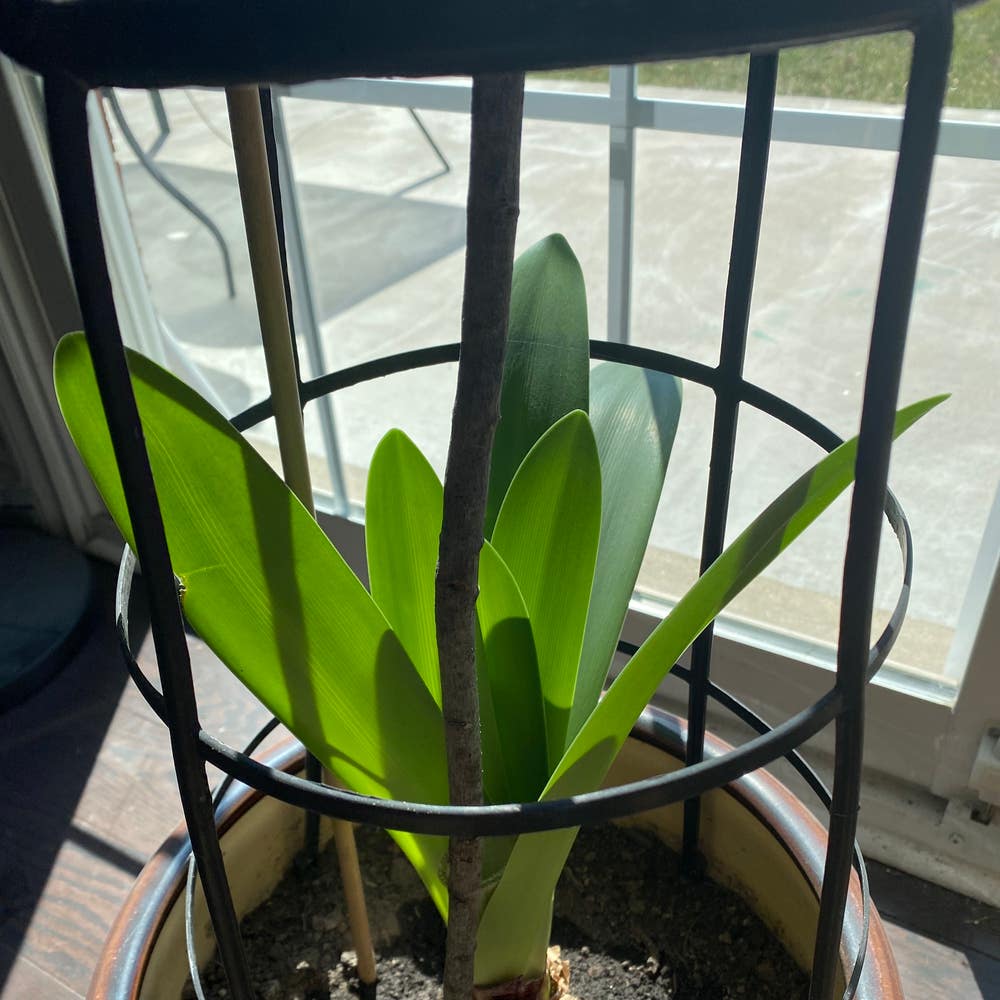
This plant undergoes a long dormancy period during the summer, re-emerging in late winter or early spring. Notably, it flowers before its leaves appear, setting it apart from many other perennials.
📅 Long-term Lifecycle and Growth Patterns
The lifecycle of the Belladonna Lily consists of distinct stages: dormancy, growth, flowering, and seed production. Initially, growth is slow, but it culminates in a vigorous display of flowers, allowing the plant to thrive for many years with proper care.
🌸 Reproductive Strategies
🌺 Flowering Cycles and Seed Production
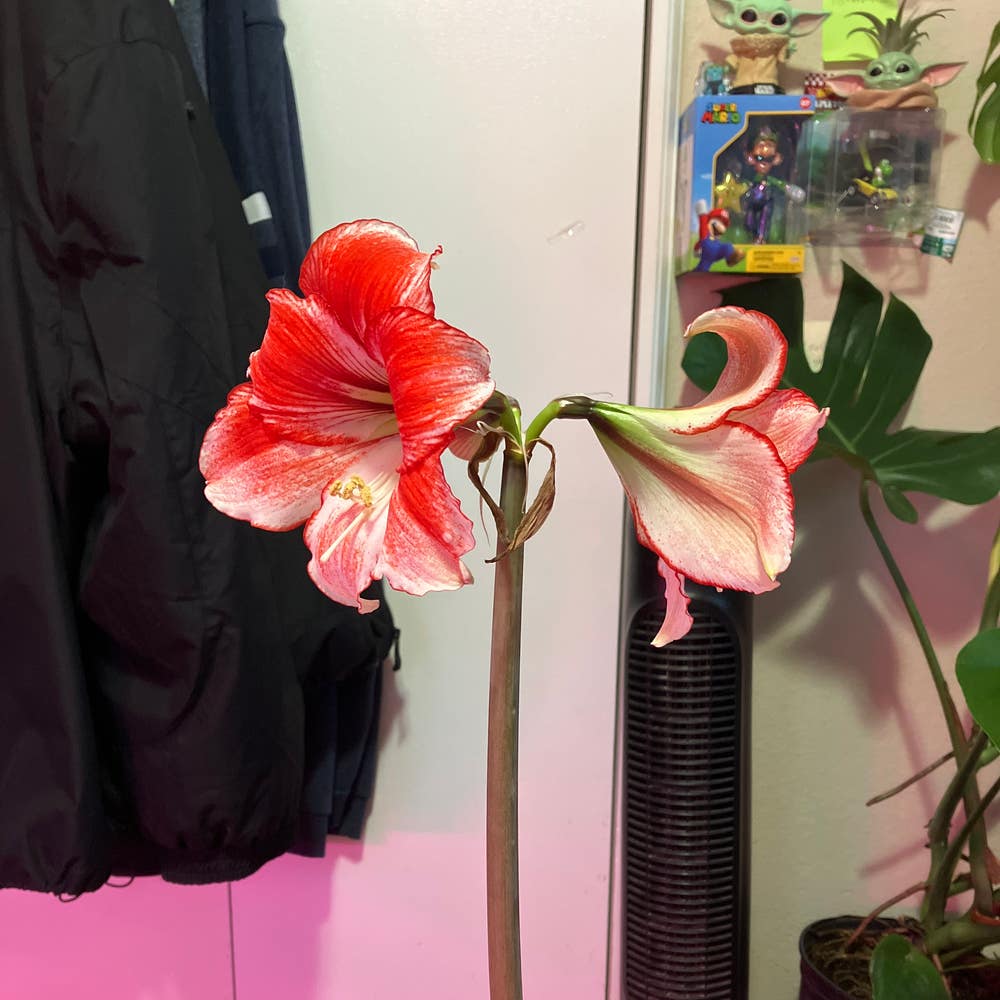
The Belladonna Lily typically flowers from late summer to early fall. After flowering, it engages in sexual reproduction through seed production, while asexual reproduction occurs via bulb division.
🌿 Comparison with True Annuals
Unlike annuals, which have a quick lifecycle focused on rapid seed production, perennials like the Belladonna Lily invest in their bulb and root systems. This difference impacts garden planning, as perennials require different strategies for planting and care.
❓ Misconceptions and Exceptions
🌡️ Conditions Where Belladonna Lily May Be Treated as an Annual
In harsh climates with extreme temperatures, the Belladonna Lily may be mistakenly treated as an annual. This misunderstanding often arises from a lack of knowledge about its true lifecycle.
🌍 Regional Variations Affecting Classification
The growth of the Belladonna Lily can vary significantly based on local weather conditions. Its adaptability allows it to adjust to various environments, showcasing its resilience.
🌼 Garden Design and Planting Strategies
🌷 Advantages in Perennial Gardens
Incorporating the Belladonna Lily into perennial gardens enhances aesthetic appeal with its fragrant pink flowers. Additionally, it requires less frequent replanting compared to annuals, making it a low-maintenance choice.
📊 Planning for Long-term Growth
When planning for long-term growth, consider grouping the Belladonna Lily with other perennials for visual impact. Timing its flowering can also complement other plants, creating a harmonious garden design.
🌟 Maximizing Longevity in the Garden
💧 Tips for Managing as a Perennial
To ensure the Belladonna Lily thrives, focus on proper watering practices during its active growth phase. Fertilization is also essential to meet its nutrient needs throughout the growing season.
🛠️ Best Practices for Care
Implementing mulching techniques helps retain moisture and regulate soil temperature. Regular pest management is crucial for monitoring common pests and diseases, while seasonal care prepares the bulbs for dormancy and re-emergence.
The Belladonna Lily's unique characteristics and care requirements make it a fascinating addition to any garden. Understanding its perennial nature allows gardeners to appreciate its beauty and longevity fully.
⚠️ Safety First
This content is for general information and may contain errors, omissions, or outdated details. It is not medical, veterinary advice, or an endorsement of therapeutic claims.
Always consult a qualified healthcare professional before using any plant as food, medicine, or supplement.
Never eat any plant (or feed one to pets) without confirming its identity with at least two trusted sources.
If you suspect poisoning, call Poison Control (800) 222-1222, the Pet Poison Helpline (800) 213-6680, or your local emergency service immediately.
Spotted an error? Please report it here.
Elevate your garden with the breathtaking blooms of the Belladonna Lily 🌸—let Greg guide you with tailored care reminders to keep your perennials thriving season after season!