The Best Pollinators for Your Naked Ladies 🐝
Amaryllis belladonna
By the Greg Editorial Team
Oct 18, 2024•3 min read
This article was created with the help of AI so we can cover more plants for you. May contain errors. See one? Report it here.
Boost your garden's beauty 🌸 by supporting Naked Ladies and their vital pollinators for a thriving ecosystem!
- 🌼 Naked Ladies bloom before leaves, showcasing stunning trumpet-shaped flowers.
- 🐝 Bees and butterflies are key pollinators, enhancing genetic diversity and seed production.
- 🌿 Create a pollinator-friendly garden with diverse plants to support pollinator populations.
Flower Structure
Description of Flower Characteristics 🌸
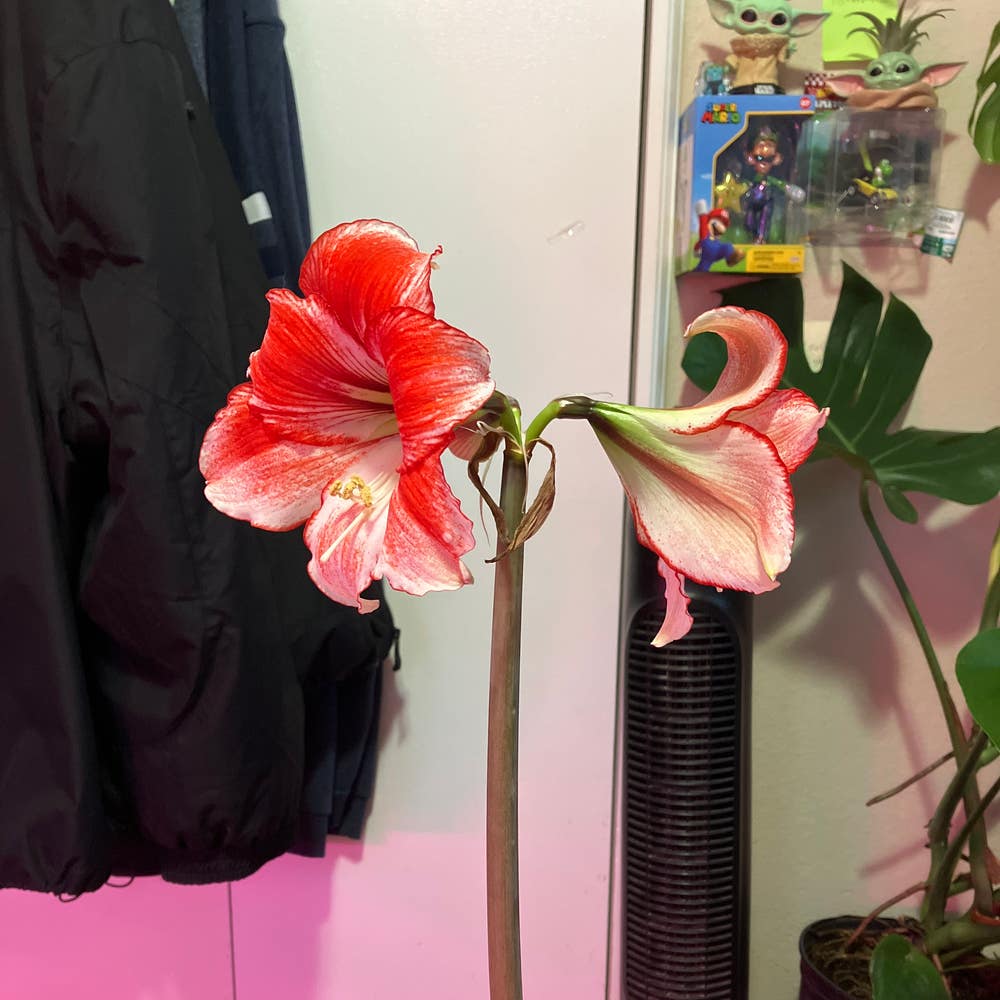
Naked Ladies, or Amaryllis belladonna, boast a striking trumpet-shaped flower with six petal-like tepals. Their colors range from soft pink to white, with variations that depend on the specific cultivar.
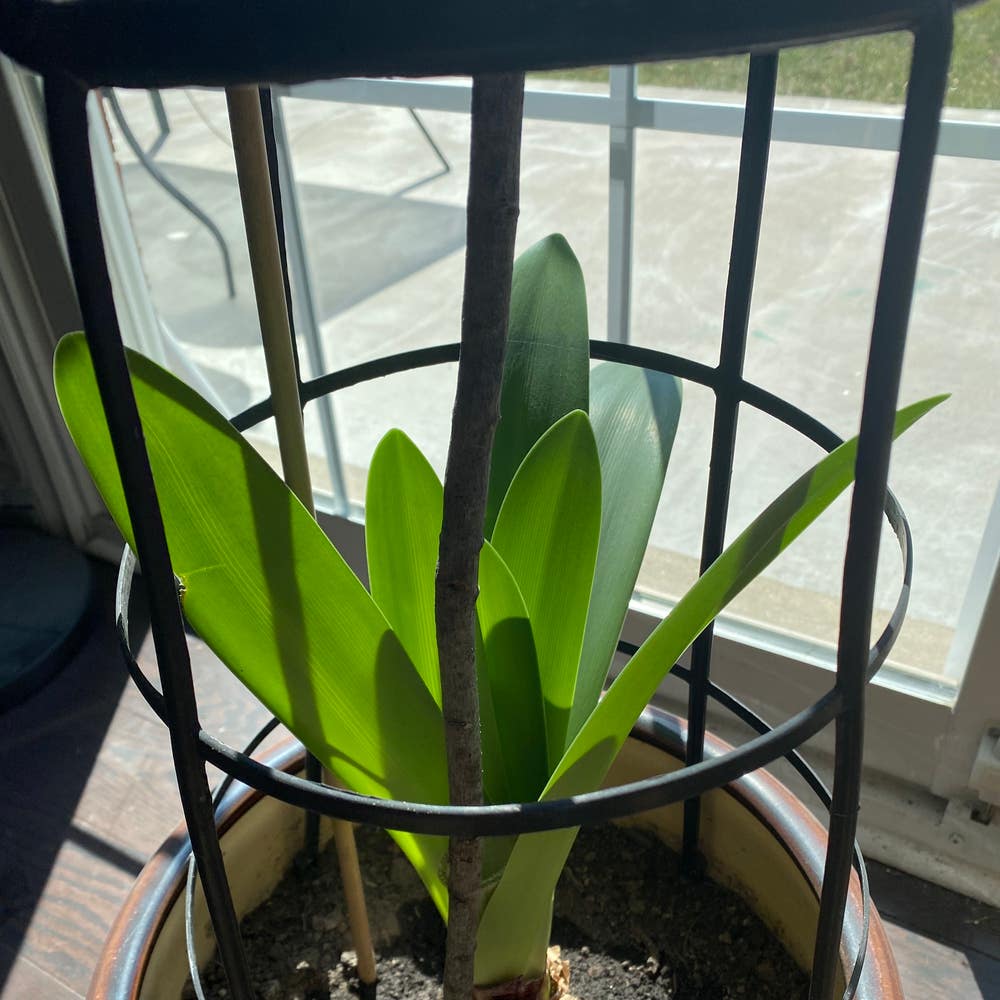
These flowers grow in clusters atop tall stalks, making a bold statement in any garden. Interestingly, they emerge before the leaves, creating a stunning visual effect that captures attention.
Role in Pollination 🐝
The arrangement of stamens and pistils in Naked Ladies is designed for self-pollination. This close proximity allows the flowers to efficiently transfer pollen within themselves.
However, their structure also plays a crucial role in attracting various pollinators. By enticing bees, butterflies, and other species, Naked Ladies enhance cross-pollination opportunities, which is vital for genetic diversity.
Natural Pollination
🌬️ Pollen Transfer Mechanisms
Natural pollination relies on various processes, primarily involving wind and insect activity. Wind can carry pollen from one flower to another, but insects play a crucial role in ensuring effective pollen transfer.
Insects, especially bees and butterflies, are drawn to the nectar of Naked Ladies. As they feed, they inadvertently pick up pollen and transfer it to other flowers, enhancing the chances of successful fertilization.
🌱 Importance for Reproduction and Genetic Diversity
Successful pollination is vital for seed production in Naked Ladies. This process not only leads to new plants but also promotes genetic diversity within the species.
Genetic diversity is essential for resilience against diseases and environmental changes. Moreover, pollination supports the broader ecosystem, benefiting surrounding flora and contributing to a balanced environment.
Understanding these dynamics highlights the importance of nurturing pollinator populations and their habitats. With healthy pollination practices, we can ensure the beauty and vitality of Naked Ladies and their ecosystems.
Supporting Pollinators
🌼 Creating a Pollinator-Friendly Environment
To attract a variety of pollinators, it's essential to incorporate plant diversity in your garden. Different species of flowering plants can draw in bees, butterflies, and hummingbirds, each playing a vital role in pollination.
Creating habitats is equally important. Providing nesting sites and shelter helps sustain pollinator populations. Simple additions like bee hotels or native plant patches can make a significant difference.
🌱 Suggested Companion Plants
Consider adding companion plants that naturally attract beneficial pollinators.
- Lavender: Its fragrant blooms are irresistible to bees and butterflies.
- Echinacea: Known for its vibrant flowers, it draws in a variety of pollinators.
- Bee Balm: This plant not only attracts bees but also butterflies and hummingbirds.
By integrating these plants, you can create a thriving ecosystem that supports Naked Ladies and enhances your garden's overall health.
In the next section, we’ll explore the challenges pollinators face and how to overcome them.
Pollination Challenges
Common Obstacles 🐝
Pollination success for Naked Ladies can be significantly impacted by environmental factors. Temperature fluctuations and humidity levels can hinder the activity of pollinators, making it crucial to monitor these conditions.
Another pressing issue is the decline in pollinator populations. Bees, butterflies, and other essential pollinators are facing threats from habitat loss and pesticide use, which directly affects the pollination of Naked Ladies.
Solutions for Overcoming Challenges 🌼
To enhance pollination success, consider planting a diverse range of pollinator-friendly plants. This not only attracts a variety of pollinators but also creates a more resilient ecosystem.
Hand pollination techniques can also be beneficial, especially during periods of low pollinator activity. By manually transferring pollen, you can ensure that your Naked Ladies receive the necessary fertilization.
Seasonal variations can further complicate pollination efforts. Be prepared to adapt your strategies as conditions change throughout the flowering season, ensuring your plants thrive despite challenges.
With these proactive measures, you can support the pollination process and enjoy the vibrant blooms of your Naked Ladies.
⚠️ Safety First
This content is for general information and may contain errors, omissions, or outdated details. It is not medical, veterinary advice, or an endorsement of therapeutic claims.
Always consult a qualified healthcare professional before using any plant as food, medicine, or supplement.
Never eat any plant (or feed one to pets) without confirming its identity with at least two trusted sources.
If you suspect poisoning, call Poison Control (800) 222-1222, the Pet Poison Helpline (800) 213-6680, or your local emergency service immediately.
Spotted an error? Please report it here.
Boost your Naked Ladies' beauty and resilience 🌸 by using Greg's tailored tips for creating a pollinator-friendly garden that attracts the right insects and ensures vibrant blooms!