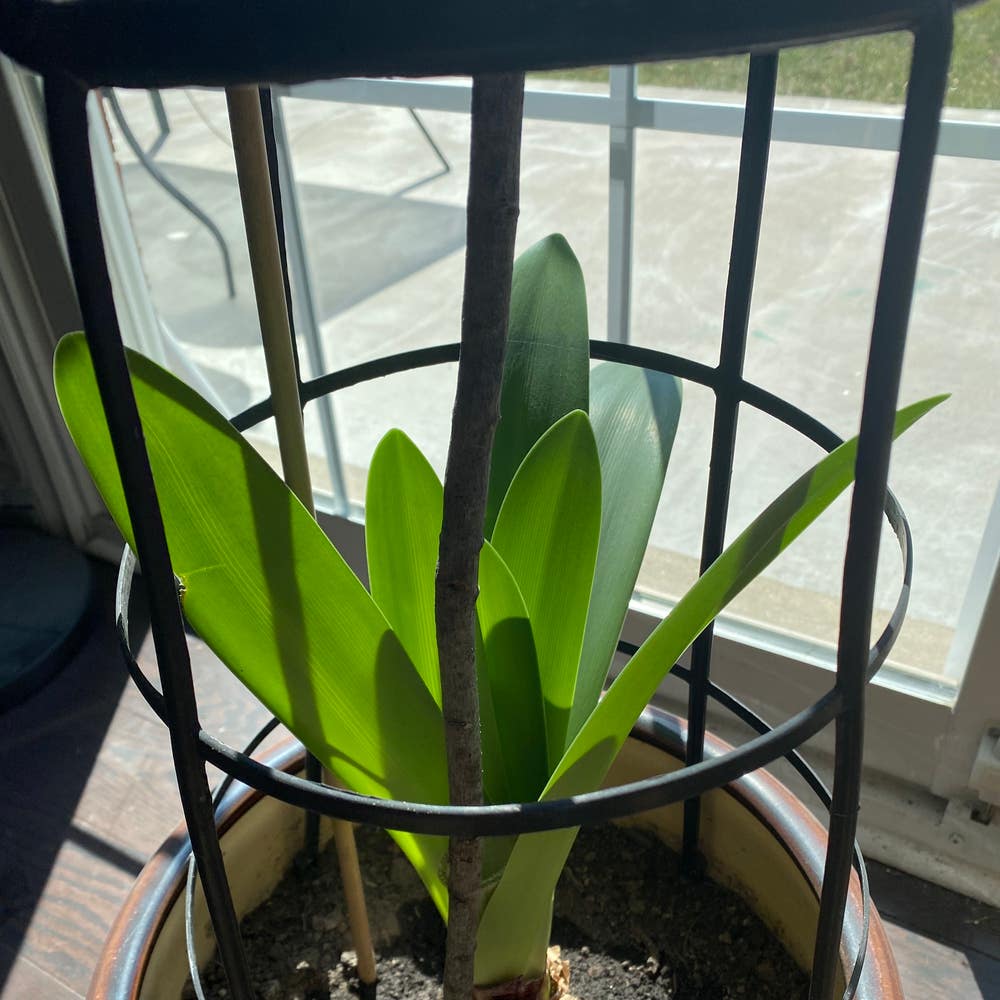
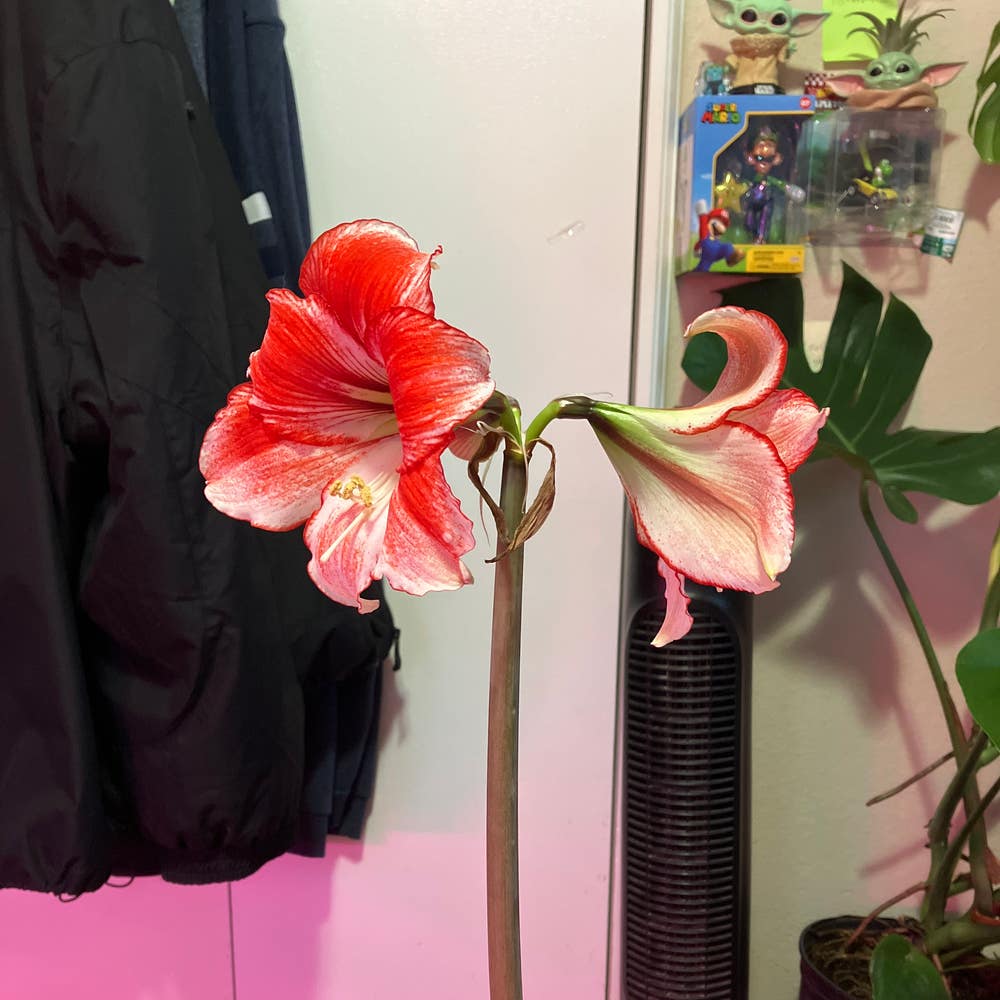
🌸 Direct Sunlight and Your Naked Ladies
Amaryllis belladonna
By the Greg Editorial Team
Oct 15, 2024•3 min read
This article was created with the help of AI so we can cover more plants for you. May contain errors. See one? Report it here.
Unlock vibrant growth for your Naked Ladies 🌞 by mastering sunlight care and preventing stress all year round! 🌿
- ☀️ Sunlight direction varies by hemisphere, affecting Naked Ladies' care and growth.
- 🌱 Signs of sunburn include crispy edges and wilting; adjust light exposure accordingly.
- 🌞 Monitor seasonal changes to optimize sunlight for healthy Naked Ladies year-round.
Geographic Considerations
🌍 Role of Hemisphere in Sunlight Exposure
The hemisphere you’re in plays a significant role in how your Naked Ladies receive sunlight. In the Northern Hemisphere, the sun travels across the southern sky, which means your plants will get the most intense light from that direction.
Conversely, in the Southern Hemisphere, the sun moves across the northern sky. This shift influences how you care for your plants, as the angle and intensity of sunlight can vary greatly.
☀️ How Climate Affects Sunlight Intensity
Sunlight intensity isn't uniform; it varies by region. Tropical climates often deliver more intense sunlight compared to temperate zones, which can affect how you nurture your Naked Ladies.
Seasonal changes also play a part. Longer days in summer mean increased sunlight exposure, so keep an eye on your plants during this time to ensure they’re thriving.
Signs of Sunlight Stress
🌞 Identifying Sunburn on Naked Ladies
Sunburn on Naked Ladies manifests as brown, crispy edges on the leaves. This discoloration is a clear signal that your plant is getting too much direct sunlight.
🌥️ Other Signs of Too Much or Too Little Sunlight
When Naked Ladies receive too much sunlight, they may exhibit wilting, leaf drop, and stunted growth. Conversely, if they’re not getting enough light, you’ll notice weak, leggy growth and fewer flowers.
Understanding these signs is crucial for maintaining the health of your Naked Ladies. By monitoring their condition, you can adjust their sunlight exposure to keep them thriving.
Next, let’s explore how to adjust sunlight exposure for optimal plant health.
Tips for Plant Parents
Adjusting Sunlight Exposure 🌞
Introducing your Naked Ladies to direct sunlight should be a gradual process. Start by placing them in a spot with filtered light, then slowly increase their exposure to full sun to prevent shock.
Rotating your plants is another effective strategy. By changing their position periodically, you ensure they receive even light exposure, promoting balanced growth.
Seasonal Considerations for Sunlight Exposure 🌦️
During summer, keep a close eye on your Naked Ladies for any signs of stress. If they start to show distress, consider providing some shade to protect them from the intense heat.
As winter approaches, the days get shorter, and your plants may need extra light. Moving them closer to windows can help maintain their health and vitality during these darker months.
With these tips, you can create an optimal environment for your Naked Ladies, ensuring they thrive year-round. Next, let’s explore how to identify signs of sunlight stress in your plants.
⚠️ Safety First
This content is for general information and may contain errors, omissions, or outdated details. It is not medical, veterinary advice, or an endorsement of therapeutic claims.
Always consult a qualified healthcare professional before using any plant as food, medicine, or supplement.
Never eat any plant (or feed one to pets) without confirming its identity with at least two trusted sources.
If you suspect poisoning, call Poison Control (800) 222-1222, the Pet Poison Helpline (800) 213-6680, or your local emergency service immediately.
Spotted an error? Please report it here.
Keep your Naked Ladies thriving in the sun ☀️ by using Greg's tailored sunlight tracking and care reminders to prevent stress and promote vibrant growth!