10 Key Factors in Choosing a Belladonna Lily Pot 🪴
Amaryllis belladonna
By the Greg Editorial Team
Nov 08, 2024•7 min read
This article was created with the help of AI so we can cover more plants for you. May contain errors. See one? Report it here.
Unlock your Belladonna Lily's full blooming potential 🌼 by mastering the art of choosing the right pot size!
- 🌱 Choose pot size wisely: Start small, then transition to larger pots as lilies grow.
- 🏺 Material impacts health: Clay promotes air circulation; plastic retains moisture better.
- 🚫 Avoid overpotting: It leads to excess moisture and root rot; monitor drainage closely.
Importance of Pot Size for Different Growth Stages
🌱 Growth Stages
Understanding the growth stages of your Belladonna Lily is crucial for selecting the right pot size.
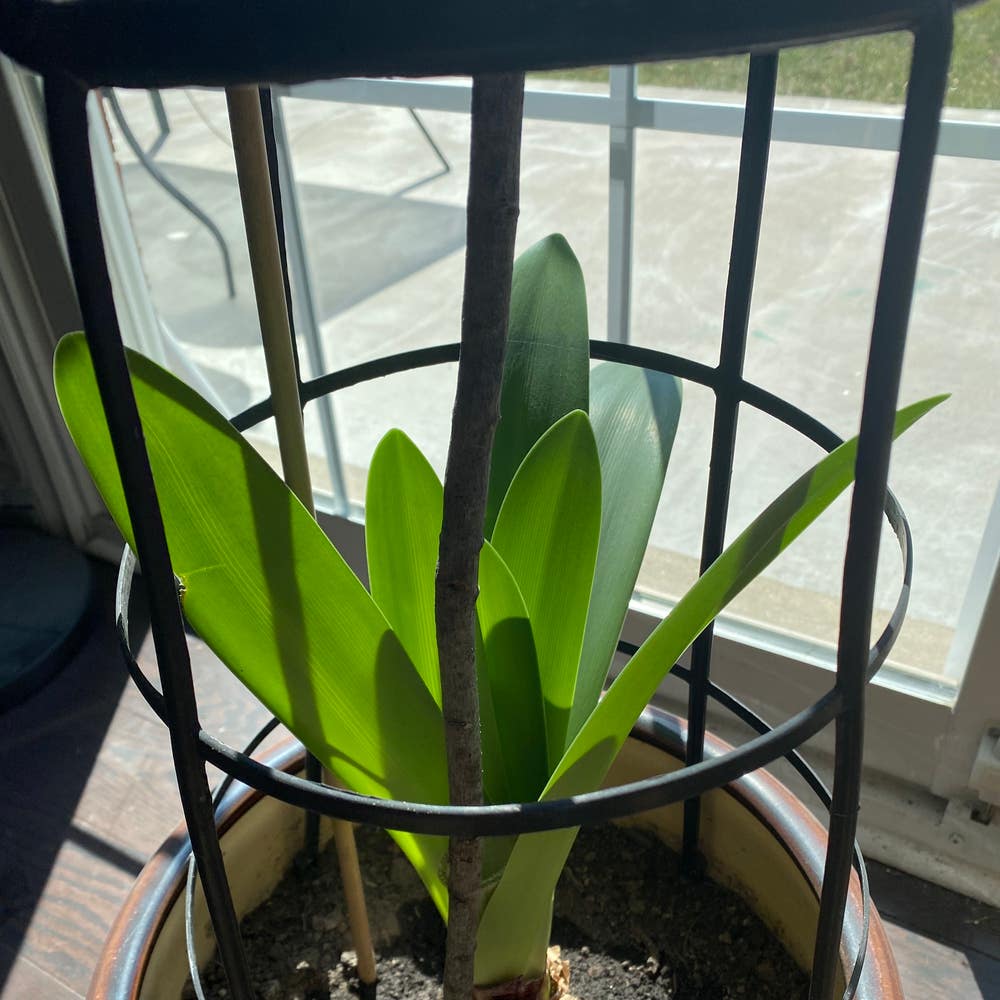
Juvenile Stage: Newly planted bulbs thrive in small pots, typically around 4-6 inches in diameter. This size helps them establish roots without overwhelming them with excess soil.
Mature Stage: As the plant grows, it enters the mature stage, requiring larger pots of about 8-10 inches in diameter. This allows for more root expansion and nutrient uptake.
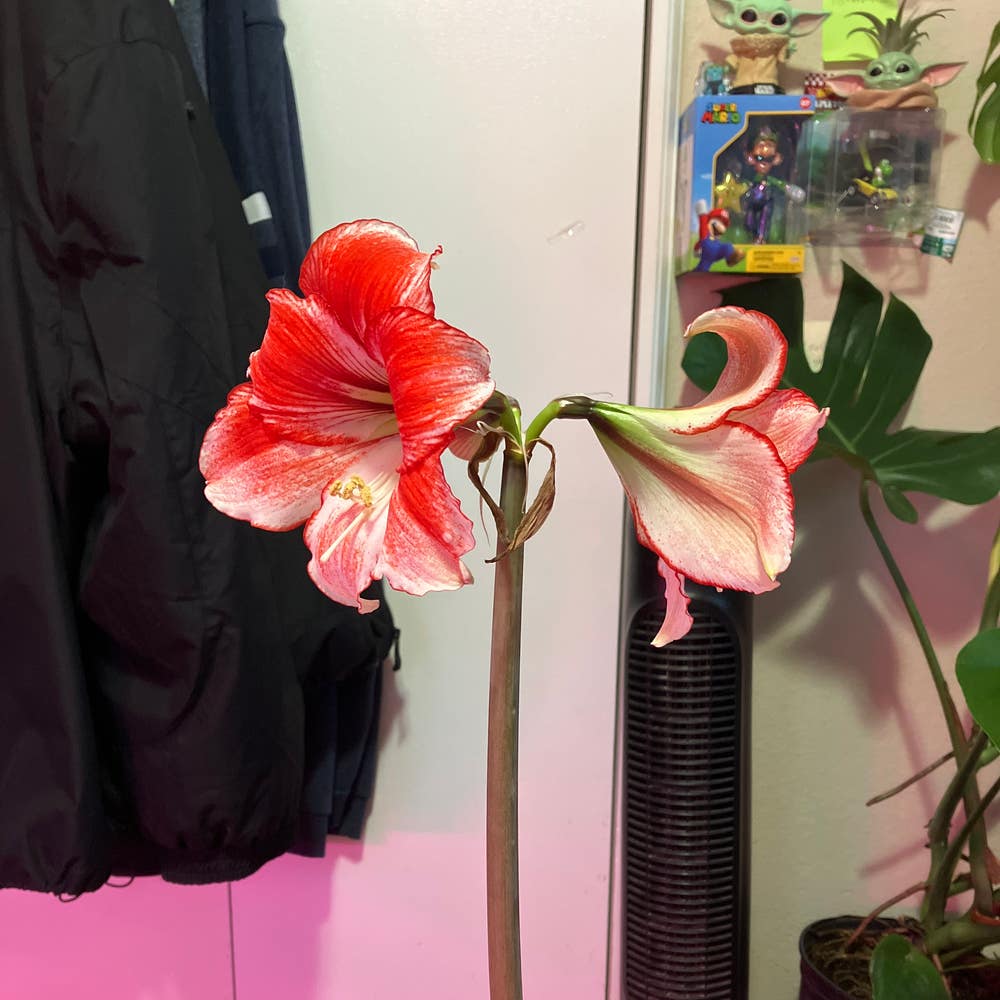
Flowering Stage: Finally, during the flowering stage, full-grown plants may need pots that are 10-12 inches in diameter. This extra space supports blooming and prevents root crowding.
🥳 Recommended Pot Sizes
Choosing the right pot size at each growth stage is essential for your plant's health.
Juvenile Stage: Start with pots that are 4-6 inches in diameter to encourage root establishment.
Mature Stage: Transition to 8-10 inch pots as the plant matures, ensuring it has room to grow.
Flowering Stage: Opt for 10-12 inch pots to accommodate the plant's full size and blooming needs.
Adjusting pot size as your Belladonna Lily grows is vital. It prevents root crowding and ensures healthy development, allowing your plant to thrive throughout its life cycle.
This understanding of pot sizes sets the stage for exploring other critical factors in pot selection, such as materials and drainage considerations.
Pot Materials
🏺 Advantages and Disadvantages of Clay Pots
Clay pots are a popular choice for Belladonna Lilies due to their breathability. This feature promotes air circulation to the roots, which is essential for healthy growth.
However, clay pots come with some drawbacks. They are heavier and can be cumbersome to move, and their porous nature means they can dry out quickly, necessitating more frequent watering.
🥤 Advantages and Disadvantages of Plastic Pots
Plastic pots offer a lightweight alternative, making them easy to handle and move around. They also retain moisture better than clay pots, which can reduce the frequency of watering.
On the downside, plastic pots are less breathable. This lack of airflow can lead to root rot if drainage is not adequately managed. Additionally, they may not have the same aesthetic appeal as their clay counterparts.
🌱 Other Materials to Consider
Ceramic pots are another option worth considering. They provide a beautiful aesthetic and help retain moisture, but they can be quite heavy.
Biodegradable pots are eco-friendly and a great choice for those looking to minimize their environmental impact. However, they may not offer the long-term durability needed for sustained plant health.
Choosing the right pot material is crucial for the well-being of your Belladonna Lily. Each option has its unique benefits and challenges, so consider your plant's needs and your environment carefully.
As you explore pot materials, remember that the right choice can significantly impact your plant's growth and flowering potential. Next, let’s delve into drainage considerations to ensure your Belladonna Lily thrives.
Drainage Considerations
🌊 Importance of Drainage Holes
Drainage holes are crucial for the health of your Belladonna Lily. They prevent waterlogging, which can lead to root rot, a common issue for potted plants.
For pots under 10 inches in diameter, it's recommended to have at least 1-2 drainage holes. This simple feature can make a significant difference in your plant's vitality.
🚰 Ensuring Proper Drainage
To ensure your plant thrives, start with a well-draining potting mix. This type of soil allows excess water to escape, promoting healthy root growth.
Adding a layer of gravel or stones at the bottom of the pot can further enhance drainage. It's also essential to regularly check and clean the drainage holes to prevent blockages that could hinder water flow.
⚠️ Signs of Poor Drainage
Be vigilant for signs that your plant may be suffering from poor drainage. Yellowing leaves often indicate overwatering and root stress, signaling that something is amiss.
If your Belladonna Lily wilts despite adequate watering, it could suggest root rot. Additionally, a foul odor from the soil is a clear indicator of anaerobic conditions, which can be detrimental to your plant's health.
By paying attention to these drainage considerations, you can help ensure your Belladonna Lily remains healthy and vibrant. Next, let’s explore when and how to repot your plant for optimal growth.
Repotting Belladonna Lily
When to Repot 🌱
Repotting your Belladonna Lily is crucial for its health. Look for signs like roots growing out of drainage holes, stunted growth despite proper care, or soil that feels depleted or compacted.
Choosing the Right Pot When Repotting 🪴
When selecting a new pot, aim for one that is 1-2 inches larger in diameter than the current one. Ensure it has adequate drainage holes to prevent waterlogging, and choose a material that suits both the plant's needs and your environment.
Step-by-Step Guide to Repotting 📝
Repotting can seem daunting, but it’s a straightforward process. Follow these steps for a successful transition:
- Prepare the new pot with fresh, well-draining potting mix.
- Gently remove the Belladonna Lily from its current pot, taking care not to damage the roots.
- Inspect the root system for any signs of rot or damage and trim as necessary.
- Place the plant in the new pot, ensuring the bulb sits just above the soil line.
- Fill in around the roots with potting mix and water thoroughly.
- Allow the plant to acclimate in a shaded area for a few days before returning it to its usual light conditions.
Repotting not only gives your Belladonna Lily more room to grow but also refreshes its environment. With proper care, your plant will thrive and reward you with beautiful blooms. Next, let’s explore how your choice of pot can impact the overall health of your plant.
Impact of Pot Choice on Plant Health
🌱 How Pot Choice Affects Root Development
Choosing the right pot size is crucial for the healthy expansion of roots. A pot that’s too small can restrict growth, while a properly sized pot allows roots to spread out and absorb nutrients effectively.
Air circulation is another vital factor. Pots made from breathable materials, like clay, help prevent root suffocation by allowing air to reach the roots. This is essential for maintaining a robust and thriving plant.
🥣 Effects of Pot Size on Nutrient Absorption
The size of the pot directly impacts nutrient availability. Larger pots can hold more soil, which means they provide a greater reservoir of nutrients for your Belladonna Lily.
Conversely, smaller pots can deplete nutrients more quickly, necessitating more frequent fertilization. This can lead to imbalances if not monitored closely, so keep an eye on your plant's needs.
🧪 Relationship Between Pot Material and Moisture Retention
The material of the pot also plays a significant role in moisture retention. Clay pots allow for evaporation, which can be beneficial in humid climates, helping to prevent overwatering.
On the other hand, plastic pots retain moisture longer, making them a better choice in drier environments. Understanding these dynamics can help you select the best pot for your Belladonna Lily's health and growth.
As you consider these factors, remember that the right pot choice can significantly enhance your plant's vitality and flowering potential. Next, we’ll explore common mistakes in pot selection to help you avoid pitfalls in your gardening journey.
Common Mistakes in Pot Selection
🏺 Overpotting vs. Underpotting
Choosing the right pot size is crucial for your Belladonna Lily's health. Overpotting can lead to excess soil moisture, creating a breeding ground for root rot.
On the other hand, underpotting restricts root growth and limits nutrient absorption. This can stunt your plant's development and overall vitality.
🚰 Ignoring Drainage Needs
Drainage is a non-negotiable aspect of pot selection. Failing to ensure adequate drainage can lead to serious health issues for your Belladonna Lily.
Without proper drainage, water can accumulate, suffocating the roots and promoting diseases. Always check for drainage holes before making a purchase.
🪴 Choosing Inappropriate Materials
The material of your pot plays a significant role in your plant's growth. Selecting materials that do not suit the plant's needs can hinder growth and flowering.
For instance, a non-breathable plastic pot may retain too much moisture, while a heavy clay pot might not be ideal for those who need mobility. Always consider your plant's specific requirements and your environment when choosing pot materials.
By avoiding these common mistakes, you can create a thriving environment for your Belladonna Lily. Next, let’s explore how your pot choice impacts plant health.
⚠️ Safety First
This content is for general information and may contain errors, omissions, or outdated details. It is not medical, veterinary advice, or an endorsement of therapeutic claims.
Always consult a qualified healthcare professional before using any plant as food, medicine, or supplement.
Never eat any plant (or feed one to pets) without confirming its identity with at least two trusted sources.
If you suspect poisoning, call Poison Control (800) 222-1222, the Pet Poison Helpline (800) 213-6680, or your local emergency service immediately.
Spotted an error? Please report it here.
Choose the perfect pot for your Belladonna Lily 🌼 with Greg's tailored tips and reminders, ensuring your plant flourishes at every growth stage!