📏 Controlling Belladonna Lily Height and Width
Amaryllis belladonna
By the Greg Editorial Team
Nov 08, 2024•6 min read
This article was created with the help of AI so we can cover more plants for you. May contain errors. See one? Report it here.
Master the art of growing stunning Belladonna Lilies 🌼 and transform your garden with vibrant blooms!
- 🌱 Belladonna Lilies grow 2-3 feet tall and 1-2 feet wide in optimal conditions.
- ☀️ Full sun (6-8 hours) is essential for maximizing height and blooming.
- 🌿 Well-drained soil and proper spacing prevent stunted growth and overcrowding.
Mature Height and Width
🌱 Typical Dimensions
The Belladonna Lily typically reaches a mature height of 2 to 3 feet and spans 1 to 2 feet in width. These dimensions make it a striking addition to any garden, providing a bold presence without overwhelming the space.
⏳ Growth Rate and Time to Reach Full Size
This plant exhibits a moderate growth rate, taking approximately 2 to 3 years to achieve its full size. Several factors influence this timeline, including bulb size, soil conditions, and care practices.
🌍 Size Variability Based on Growing Conditions
Environmental factors significantly impact the size of the Belladonna Lily.
Soil Type
- Well-drained soil promotes optimal growth, allowing the bulbs to thrive.
- Heavy or compacted soil can stunt growth, leading to smaller plants.
Sunlight Exposure
- Full sun exposure (6-8 hours daily) encourages maximum height and spread.
- Partial shade may result in reduced flowering size and overall dimensions.
For example, a Belladonna Lily planted in rich, well-drained soil with full sun can reach its maximum potential, while one in heavy soil and partial shade may struggle to grow. Understanding these variables can help gardeners create the ideal conditions for their plants.
As we explore further, we'll delve into the factors affecting size, including soil type, sunlight exposure, and watering practices.
Factors Affecting Size
🌱 Soil Type and Its Impact on Growth
The type of soil you use can significantly influence the growth of your Belladonna Lily. Well-drained soils are essential for optimal growth, allowing roots to breathe and absorb nutrients effectively.
In contrast, heavy or compacted soils can stunt growth and reduce the plant's dimensions. If your soil retains too much moisture, it can lead to bulb rot, which is a common issue for these beautiful plants.
☀️ Sunlight Exposure and Its Effect on Dimensions
Sunlight plays a crucial role in determining the height and spread of your Belladonna Lily. Ideally, these plants thrive in full sun, requiring 6 to 8 hours of direct sunlight daily to reach their maximum potential.
On the flip side, if your lilies are in partial shade, you may notice a reduction in flowering size and overall dimensions. This can lead to a less vibrant display in your garden, so consider their sun exposure carefully.
💧 Watering Practices and Their Influence on Size
Watering practices are another key factor in the growth of Belladonna Lilies. Consistent moisture is vital, but overwatering can be detrimental to bulb health and overall growth.
Aim for a watering frequency that keeps the soil evenly moist but not soggy. This balance is crucial for achieving those impressive mature dimensions.
🌼 Fertilization and Nutrient Availability
Nutrient-rich soil is essential for your Belladonna Lily to flourish. Fertilization plays a significant role in achieving mature dimensions, so it's important to provide the right nutrients at the right time.
A recommended fertilization schedule includes applying a balanced fertilizer in early spring and again in mid-summer. Look for fertilizers high in phosphorus to promote blooming and overall plant health.
With these factors in mind, you can create the ideal conditions for your Belladonna Lilies to thrive. Next, we’ll explore practical methods to control their size effectively.
Controlling Size
Pruning Techniques to Manage Height and Spread ✂️
Pruning is essential for maintaining the desired dimensions of your Belladonna Lily. The best time to prune is after flowering, typically in late summer or early fall, allowing the plant to focus its energy on bulb development.
To control size effectively, cut back foliage and spent flowers. This not only keeps the plant looking tidy but also encourages healthier growth for the following season.
Tips for Spacing in Garden Design to Control Size 📏
Proper spacing is crucial for optimal growth. Aim to plant your Belladonna Lilies 12-18 inches apart to give each bulb enough room to thrive.
Overcrowding can lead to stunted growth and poor flowering. When plants are too close, they compete for nutrients and light, resulting in diminished size and health.
Methods to Encourage or Limit Growth Through Environmental Adjustments 🌱
Adjusting your watering and fertilization practices can significantly influence growth rates. Consistent moisture is key, but be cautious of overwatering, which can harm bulb health.
Utilizing mulch is another effective method to regulate soil moisture and temperature. A layer of mulch helps retain moisture and keeps the soil temperature stable, promoting robust growth while preventing excessive height.
With these techniques, you can effectively manage the size of your Belladonna Lilies, ensuring they flourish beautifully in your garden. Next, we’ll explore how various factors affect the size of these stunning plants.
Comparative Analysis
Comparison of Size with Other Amaryllis Species 🌱
The Belladonna Lily stands out among Amaryllis species, typically reaching a mature height of 2 to 3 feet and a width of 1 to 2 feet. In contrast, other varieties like the Hippeastrum can grow significantly taller, often exceeding 3 feet, while some smaller species may only reach about 1 foot in height.
Unique characteristics contribute to these size differences. For instance, the Belladonna Lily's bulb size and growth habits are distinct, leading to its moderate growth rate. Meanwhile, other Amaryllis species may have faster growth rates or different environmental needs, influencing their overall dimensions.
Historical Context of Size Variations in Cultivation 📜
Cultivation practices have played a crucial role in shaping the size of the Belladonna Lily over time. Historically, selective breeding has led to variations in size, with gardeners favoring larger blooms and more robust plants.
Notable cultivars, such as 'Alba' and 'Pink Perfection,' showcase these size variations, often reaching dimensions that differ from the standard. Understanding these historical contexts helps gardeners appreciate the evolution of the Belladonna Lily and its place among other Amaryllis species.
As we delve deeper into the visual indicators of size, we can learn how to assess the growth stages of the Belladonna Lily effectively. This knowledge will empower you to manage your plants better and ensure they thrive in your garden.
Visual Indicators of Size
📏 How to Assess Size During Different Growth Stages
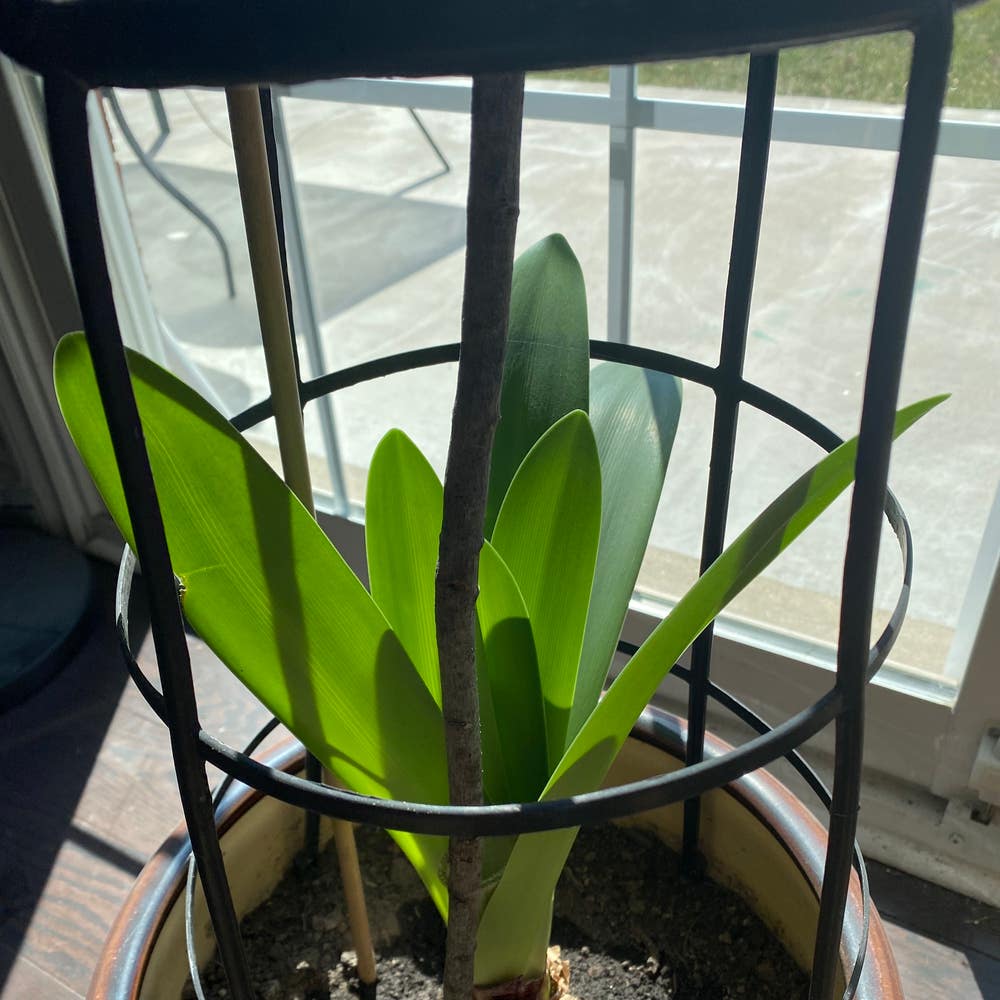
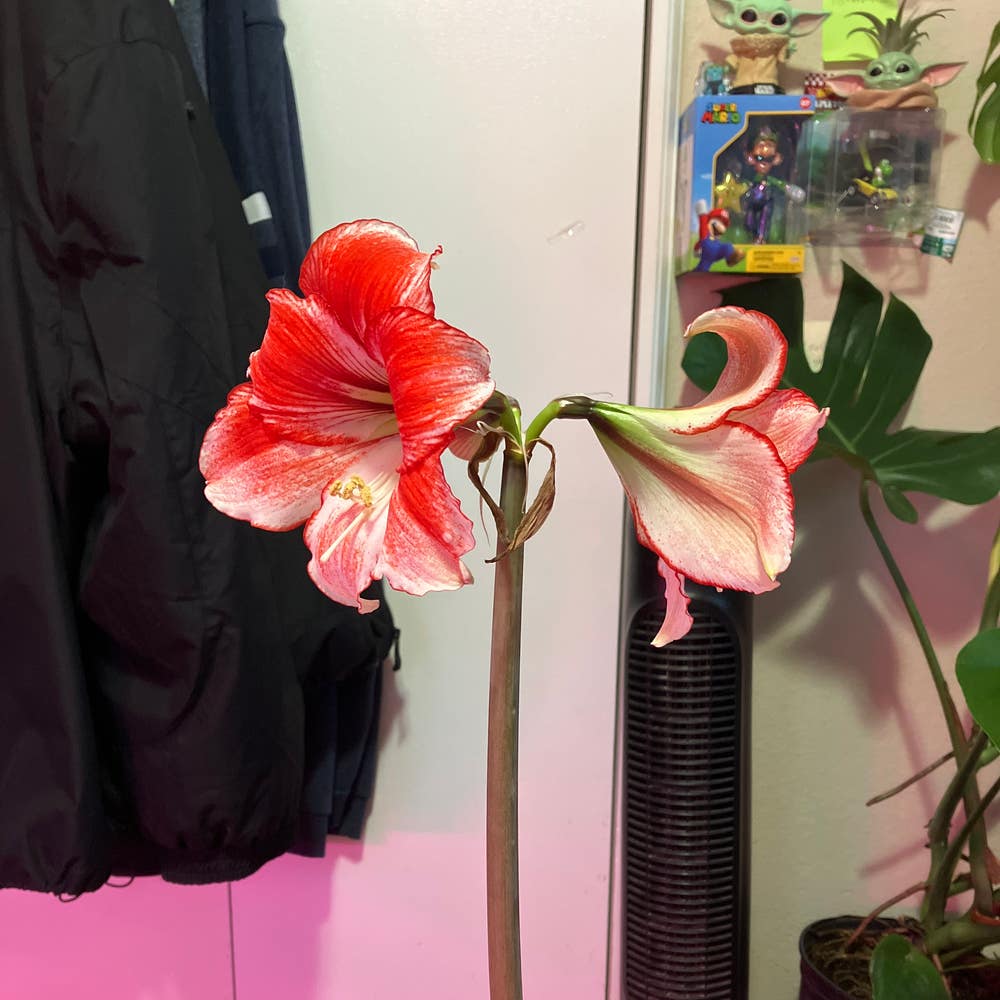
Monitoring the growth stages of your Belladonna Lily is crucial for assessing its size. Key stages include the initial sprouting, flowering, and post-bloom periods.
During these phases, look for indicators of healthy growth, such as vibrant foliage and robust flower stems. Conversely, stunted growth may present as yellowing leaves or weak, spindly stems.
🚀 Recognizing Signs of Overgrowth and Undergrowth
Understanding the signs of overgrowth is essential for maintaining your plant's health. Symptoms include excessive height and sparse flowering, which can indicate that your Belladonna Lily is stretching for light.
On the other hand, undergrowth manifests as short stature and poor bulb development. If you notice these issues, consider adjusting your care practices to encourage balanced growth.
🛠️ Strategies for Addressing Size Issues Based on Visual Indicators
To tackle overgrowth, you might need to prune back excessive height or improve light exposure. For undergrowth, ensure your plant receives adequate nutrients and water.
Regularly assessing these visual indicators will help you maintain the desired size and health of your Belladonna Lily. This proactive approach not only enhances its beauty but also contributes to a thriving garden environment.
⚠️ Safety First
This content is for general information and may contain errors, omissions, or outdated details. It is not medical, veterinary advice, or an endorsement of therapeutic claims.
Always consult a qualified healthcare professional before using any plant as food, medicine, or supplement.
Never eat any plant (or feed one to pets) without confirming its identity with at least two trusted sources.
If you suspect poisoning, call Poison Control (800) 222-1222, the Pet Poison Helpline (800) 213-6680, or your local emergency service immediately.
Spotted an error? Please report it here.
Grow your Belladonna Lily to its full glory 🌱 with Greg's tailored watering and fertilization reminders, ensuring it thrives in the perfect sunlight and soil conditions!