🌸 Belladonna Lily Is a Garden Plant, Not a Weed
Amaryllis belladonna
By the Greg Editorial Team
Nov 08, 2024•6 min read
This article was created with the help of AI so we can cover more plants for you. May contain errors. See one? Report it here.
Transform your garden with Belladonna Lily 🌼—a stunning, non-invasive beauty that nurtures local ecosystems!
- 🌼 Belladonna Lily enhances gardens without disrupting local ecosystems—it's non-invasive!
- 🐝 Attracts pollinators like bees and butterflies, boosting biodiversity in your garden.
- 🌞 Thrives in full sun and well-drained soil, making it adaptable to various landscapes.
Plant Classification
Definition of Invasive Species 🌱
Invasive species are non-native plants that aggressively spread, outcompeting local flora and disrupting ecosystems. They can wreak havoc on native plant communities, altering habitats and diminishing biodiversity.
Belladonna Lily, however, stands apart from this troublesome crowd. It thrives in well-drained soils and enjoys full sun to partial shade, but it doesn't exhibit the aggressive growth patterns typical of invasive species. Instead, it grows gracefully, adding beauty to gardens without overwhelming other plants.
This makes Belladonna Lily a delightful choice for gardeners who want to enhance their landscapes while maintaining ecological balance. Its ability to coexist with native plants showcases its non-invasive nature, allowing it to contribute positively to garden ecosystems.
As you explore the world of garden plants, remember that not all non-native species are harmful. Belladonna Lily is a prime example of a plant that enriches rather than disrupts, making it a valuable addition to any garden.
With this understanding of plant classification, let's delve into the growth habits of Belladonna Lily and discover how it flourishes in various garden settings.
Growth Habits
🌱 Typical Growth Patterns in Gardens
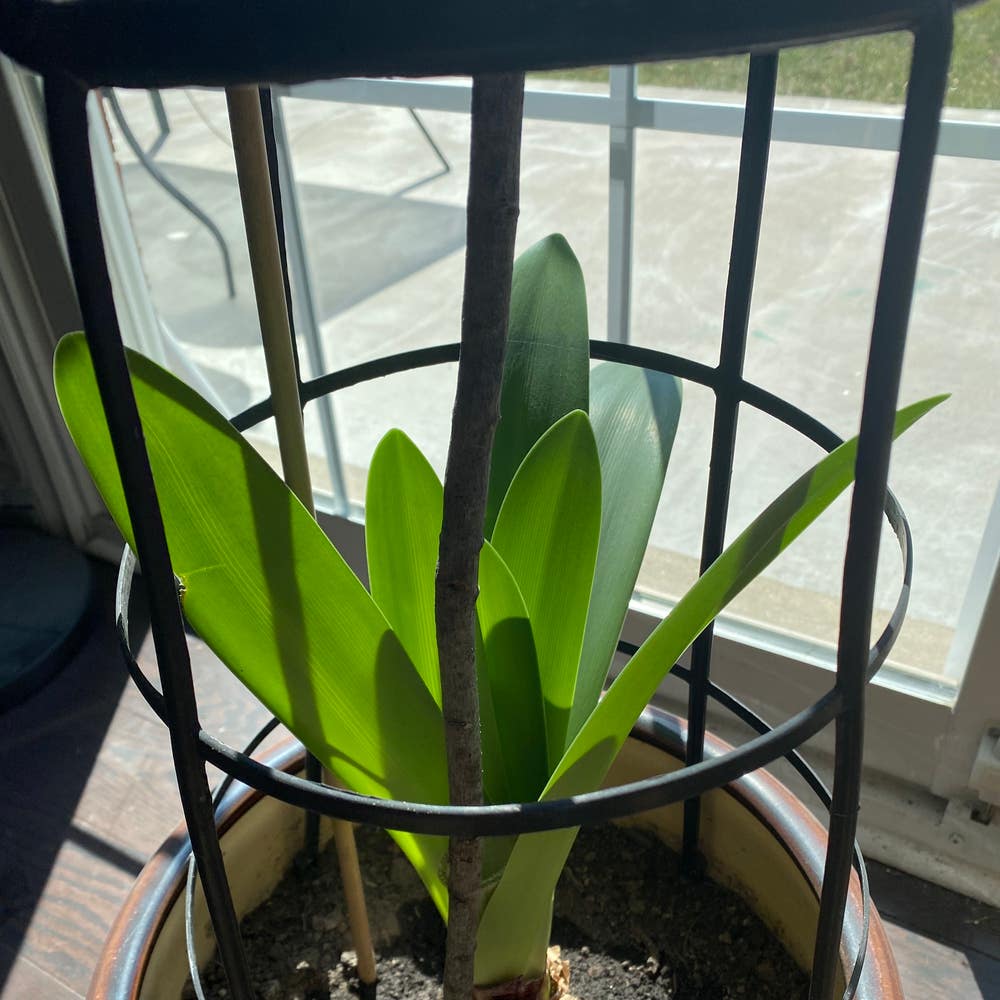
Belladonna Lily is a delightful addition to any garden, growing from bulbs that emerge in spring. As the season progresses, it produces lush foliage before showcasing its stunning flowers in late summer.
This plant typically reaches a height of 1-2 feet and spreads about 1 foot wide. Its strap-like foliage remains attractive even after the blooms fade, ensuring your garden looks vibrant throughout the growing season.
🌿 Natural Limits to Growth and Spread Potential
One of the standout features of Belladonna Lily is its growth strategy. It primarily spreads through bulb division rather than aggressive seeding, which keeps its growth in check.
While it can naturalize in suitable environments, it does not dominate or displace other plants. This makes it a harmonious choice for gardeners looking to enhance their landscapes without overwhelming existing flora.
Incorporating Belladonna Lily into your garden not only adds beauty but also supports a balanced ecosystem. Next, we’ll explore its ecological role and the benefits it brings to local wildlife and plants.
Ecological Role
🌼 Benefits in Ecosystems
Belladonna Lily plays a vital role in attracting pollinators like bees and butterflies. This not only boosts local biodiversity but also enhances the overall health of garden ecosystems.
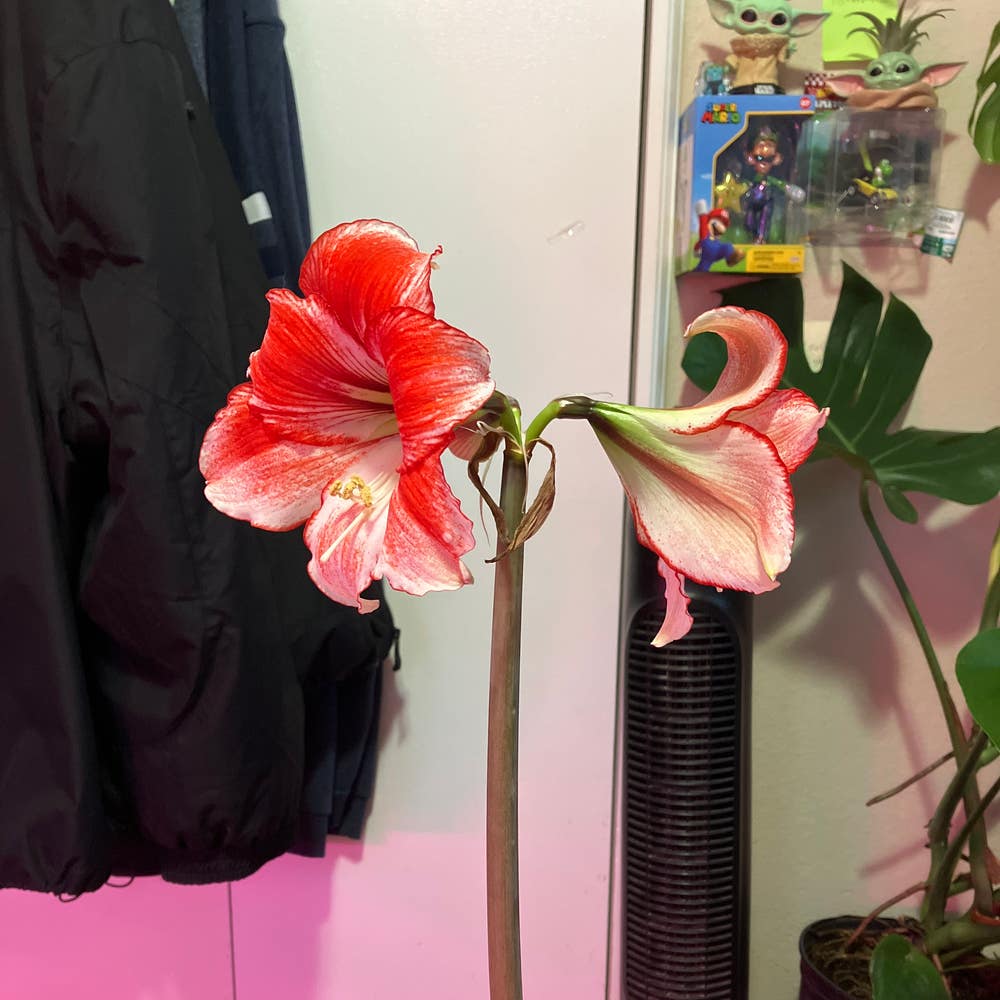
Additionally, the plant's striking appearance adds aesthetic value, making gardens more visually appealing. Its vibrant blooms can transform any landscape into a colorful haven.
🦋 Positive Interactions with Local Wildlife and Plants
During late summer, when many plants have finished blooming, Belladonna Lily serves as a crucial food source for pollinators. This timing helps sustain these important creatures when their options are limited.
Moreover, its non-invasive nature allows Belladonna Lily to coexist peacefully with native plants. This harmony supports the overall health of the ecosystem, ensuring that local flora and fauna thrive together.
Incorporating Belladonna Lily into your garden not only beautifies your space but also contributes positively to the environment. As we move forward, let’s explore how to effectively manage this lovely plant in our gardens.
Garden Management
Effective Incorporation into Garden Designs 🌼
Belladonna Lily is a versatile plant that shines in various garden settings. It's perfect for borders, rock gardens, or as a striking feature in perennial gardens.
For a more dramatic effect, consider planting them in clusters. Alternatively, intersperse them with other flowering plants to create a vibrant tapestry of colors and textures.
Growth Control Methods for Aesthetic Purposes ✂️
To keep your Belladonna Lily looking its best, monitor its growth closely. After flowering, remove any excess foliage to maintain a tidy appearance.
Dividing the bulbs every 3-4 years is also beneficial. This practice prevents overcrowding and promotes healthy growth, ensuring your garden remains lush and vibrant.
Using mulch can be a game changer too. It suppresses weeds while maintaining soil moisture, allowing your Belladonna Lily to thrive without competition.
Incorporating these management techniques will enhance your garden's beauty and ensure that your Belladonna Lily continues to flourish. With proper care, this plant can be a stunning addition to your landscape, offering both visual appeal and ecological benefits.
Next, we will explore how Belladonna Lily compares to other non-invasive plants, highlighting its unique qualities and advantages.
Comparison to Other Plants
🌼 Similar Non-Invasive Plants for Comparison
When considering non-invasive flowering bulbs, Belladonna Lily stands out alongside other favorites like daffodils, snowdrops, and crocus. Each of these plants offers unique beauty without the risk of overwhelming your garden.
Daffodils: Known for their cheerful yellow blooms, daffodils are reliable perennials that thrive in various conditions. They bloom in early spring, providing a burst of color when many other plants are still dormant.
Snowdrops: These delicate white flowers are among the first to bloom, often peeking through the snow. Their subtle charm adds a touch of elegance to any garden.
Crocus: With vibrant colors ranging from purple to yellow, crocus flowers herald the arrival of spring. They are easy to grow and can naturalize beautifully in lawns or garden beds.
🌟 Unique Qualities
What sets Belladonna Lily apart is its distinctive fragrant flowers that bloom in late summer. This timing is perfect for attracting pollinators when many other plants have finished flowering.
Additionally, Belladonna Lily's ability to naturalize in suitable environments without becoming invasive makes it a valuable addition to gardens. It enhances biodiversity while maintaining harmony with local flora, ensuring that your garden remains a thriving ecosystem.
Incorporating Belladonna Lily not only beautifies your space but also supports the environment. It's a choice that reflects a commitment to sustainable gardening practices, allowing you to enjoy a vibrant garden without ecological concerns.
As you plan your garden, consider how these unique qualities can complement your landscape. The combination of beauty and ecological responsibility makes Belladonna Lily a standout choice.
Transitioning to the next topic, let's explore the legal and environmental considerations surrounding this remarkable plant.
Legal and Environmental Considerations
🌱 Relevant Classifications and Guidelines for Planting
Belladonna Lily is recognized as a safe choice for gardeners, as it is not classified as an invasive species in most regions. This means you can plant it with confidence, knowing it won’t disrupt local ecosystems.
However, it's always wise to check local guidelines regarding planting. Regulations can vary, and ensuring compliance will help you maintain a healthy garden environment.
🌍 Role in Sustainable Gardening Practices
Incorporating Belladonna Lily into your garden supports biodiversity while enhancing its visual appeal. This plant contributes positively to local ecosystems, allowing you to enjoy a beautiful landscape without compromising ecological balance.
Choosing non-invasive plants like Belladonna Lily promotes sustainable gardening practices. It’s a simple yet impactful way to create a thriving garden that benefits both you and the environment.
As you plan your garden, consider how each plant interacts with its surroundings. This thoughtful approach not only beautifies your space but also fosters a healthier ecosystem.
With that in mind, let’s explore how to effectively incorporate Belladonna Lily into your garden designs.
⚠️ Safety First
This content is for general information and may contain errors, omissions, or outdated details. It is not medical, veterinary advice, or an endorsement of therapeutic claims.
Always consult a qualified healthcare professional before using any plant as food, medicine, or supplement.
Never eat any plant (or feed one to pets) without confirming its identity with at least two trusted sources.
If you suspect poisoning, call Poison Control (800) 222-1222, the Pet Poison Helpline (800) 213-6680, or your local emergency service immediately.
Spotted an error? Please report it here.
Enhance your garden with the stunning Belladonna Lily 🌼, a non-invasive beauty that supports pollinators, and let Greg help you succeed with tailored care reminders for thriving blooms all summer long!