🌸 The Meaning of Belladonna Lily Flowers
Amaryllis belladonna
By the Greg Editorial Team
Nov 08, 2024•5 min read
This article was created with the help of AI so we can cover more plants for you. May contain errors. See one? Report it here.
Uncover the captivating Belladonna Lily 🌸, thriving in beauty and resilience, whether it blooms or showcases its stunning foliage!
- 🌸 Belladonna Lily flowers are vital for reproduction and species continuation.
- 🌞 Blooming requires sunlight, well-draining soil, and regular care for vibrant colors.
- 🌿 Even without flowers, lush foliage enhances garden aesthetics and captivates enthusiasts.
Flowering Status
Clarification on Flowering Status 🌸
Yes, the Belladonna Lily does produce flowers, and its blooming is a vital part of its life cycle. Flowering not only signifies the plant's maturity but also plays a crucial role in reproduction and the continuation of its species.
If the Belladonna Lily were to not flower, it might be due to its primary cultivation for its striking foliage rather than its blooms. Some varieties are specifically bred for their leaves, which can be just as captivating as any flower.
If Belladonna Lily Flowers
🌸 Flower Characteristics
Description of Colors and Structure
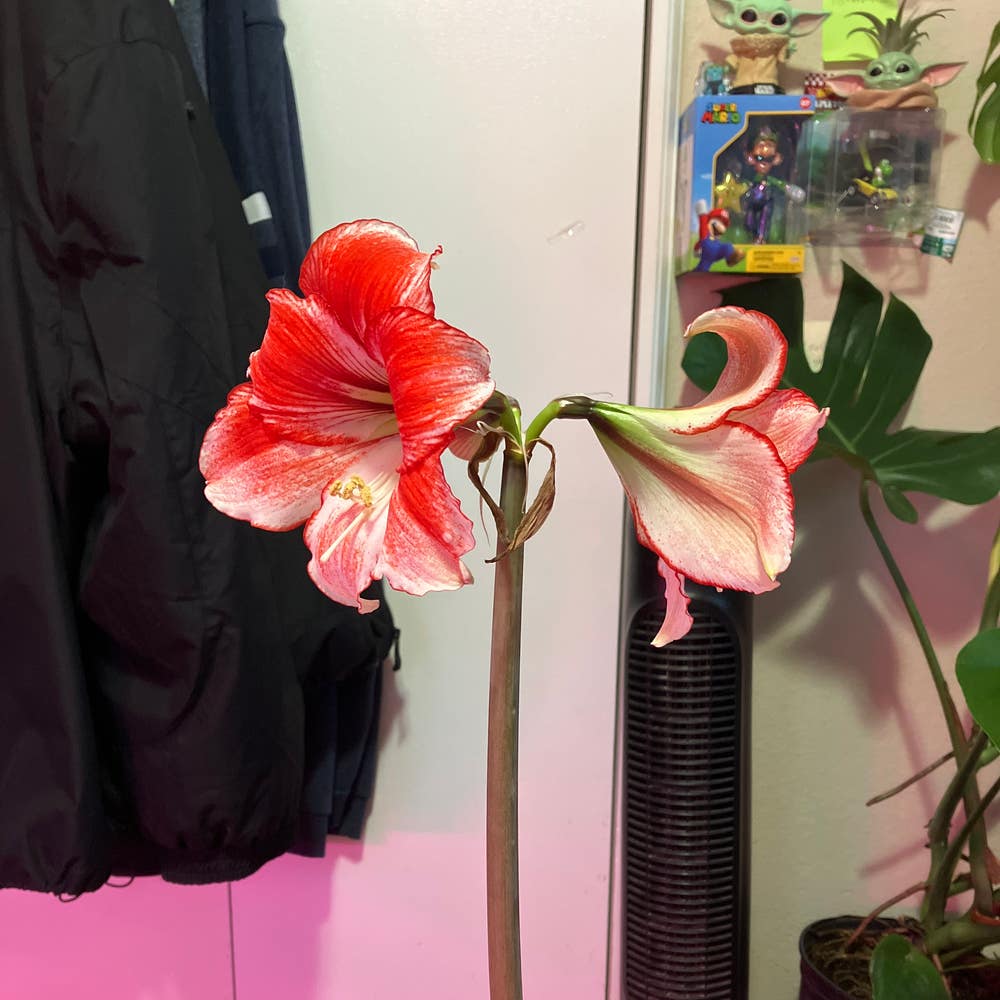
The Belladonna Lily boasts stunning trumpet-shaped flowers that can be found in vibrant shades of purple, pink, and white. Each flower emerges from a tall spike, which can reach heights of up to 2 feet, creating a striking visual display in any garden.
Self-Pollination vs. External Pollination
Belladonna Lily primarily relies on external pollination rather than self-pollination. This strategy enhances genetic diversity, which can lead to more robust flowering and overall plant health.
🌼 Blooming Process
Stages of Blooming
The blooming process begins with bud formation, where small buds develop at the tips of the flower spikes. As the buds mature, they gradually open, revealing the full beauty of the flowers in a captivating display.
Typical Bloom Time
Typically, Belladonna Lily blooms in late summer to early fall. Environmental factors such as temperature and sunlight can significantly influence the exact timing of the bloom.
Duration from Bud Formation to Full Bloom
From bud formation to full bloom, the process usually takes about 2 to 4 weeks. On average, buds may take around 10 to 14 days to fully open, depending on conditions.
Lifespan of Flowers
Once in bloom, the flowers of the Belladonna Lily generally last for about 1 to 2 weeks. Factors like weather conditions and plant care can affect how long the flowers remain vibrant.
🌱 Encouraging Blooms
Tips for Encouraging Flowering
To encourage your Belladonna Lily to bloom, ensure it receives ample sunlight and well-draining soil. Regular watering and the application of a balanced fertilizer can also promote healthy growth and flowering.
Factors Influencing Flowering
Key factors influencing flowering include light exposure, soil quality, and consistent watering practices. Providing the right conditions can make all the difference in achieving a stunning bloom.
🌿 Post-Flowering
What Happens After Flowering
After the flowering period, the Belladonna Lily enters a phase of dormancy. During this time, the plant conserves energy, preparing for the next growing season.
Does Belladonna Lily Die After Flowering?
No, the Belladonna Lily does not die after flowering. Instead, it continues to thrive, often returning stronger in the following season, ready to produce more beautiful blooms.
This understanding of the Belladonna Lily's flowering process not only enhances your gardening skills but also deepens your appreciation for this remarkable plant. Next, we will explore what happens if the Belladonna Lily doesn't flower, focusing on its ornamental features and unique reproductive strategies.
If Belladonna Lily Doesn't Flower
🌿 Primary Ornamental or Functional Features
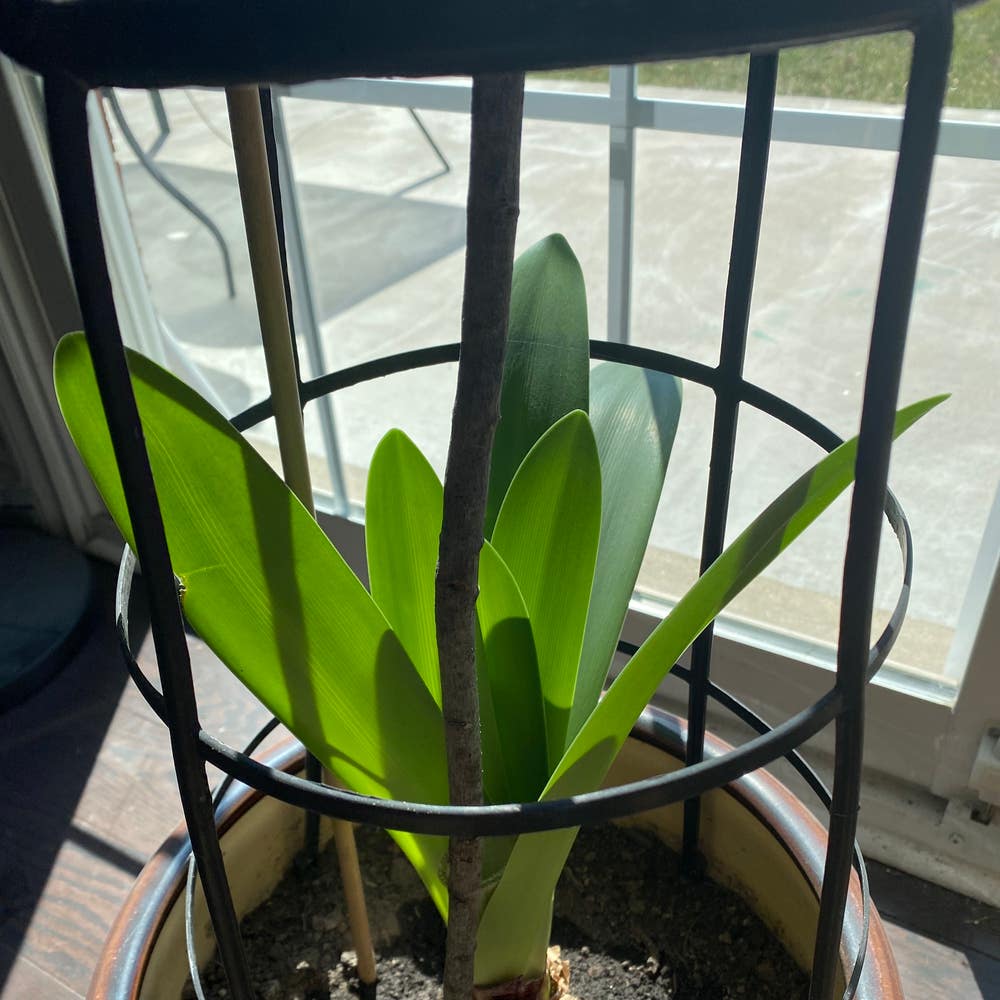
Even without flowers, the Belladonna Lily captivates with its striking foliage. The lush, green leaves create a vibrant backdrop that enhances any garden or landscape.
These broad, arching leaves can grow quite large, adding a dramatic flair. Their rich texture and deep color make the plant an eye-catching choice for ornamental purposes.
🌱 Reproduction Without Flowers
Belladonna Lily has a fascinating way of reproducing without the need for flowers. It primarily relies on bulb division and offsets to propagate.
As the plant matures, it produces new bulbs that can be separated and replanted. This method ensures that the Belladonna Lily continues to thrive, even in the absence of blooming flowers.
The ability to reproduce this way allows gardeners to expand their collection easily. It’s a practical solution that highlights the plant's resilience and adaptability.
In summary, while the Belladonna Lily may not showcase flowers, its lush foliage and unique reproductive strategies make it a valuable addition to any garden. This adaptability ensures that the plant remains a favorite among enthusiasts, whether in bloom or not.
As we explore the unique aspects of this plant, we’ll uncover more about its intriguing characteristics and cultural significance.
Unique Aspects
🌸 Unusual Characteristics Related to Flowering or Non-Flowering Nature
The Belladonna Lily, also known as Amaryllis belladonna, is intriguing not just for its beauty but also for its unique flowering habits. While it can produce stunning blooms, it often prioritizes foliage, showcasing lush green leaves that can be just as captivating.
This plant's flowering behavior is influenced by its environment. In some cases, it may delay blooming to conserve energy, particularly in less-than-ideal conditions. This adaptability is a testament to its resilience and survival strategy.
📚 Interesting Facts or Trivia About Reproductive Strategy
Historically, the Belladonna Lily has been both admired and feared. Its beauty has made it a symbol of elegance, while its toxicity has led to caution in its use. The plant contains alkaloids that can be harmful if ingested, adding a layer of complexity to its allure.
Culturally, Belladonna has been associated with various myths and legends. In ancient times, it was used in potions and cosmetics, often linked to enchantment and seduction. This duality of beauty and danger continues to fascinate gardeners and flower enthusiasts alike.
In summary, the Belladonna Lily's unique characteristics and rich history make it a captivating subject for both horticulturists and casual admirers. Its ability to thrive in diverse conditions and its striking appearance ensure it remains a beloved choice in gardens around the world.
As we explore further, let's delve into the ornamental and functional features of the Belladonna Lily, particularly its foliage and aesthetic appeal.
⚠️ Safety First
This content is for general information and may contain errors, omissions, or outdated details. It is not medical, veterinary advice, or an endorsement of therapeutic claims.
Always consult a qualified healthcare professional before using any plant as food, medicine, or supplement.
Never eat any plant (or feed one to pets) without confirming its identity with at least two trusted sources.
If you suspect poisoning, call Poison Control (800) 222-1222, the Pet Poison Helpline (800) 213-6680, or your local emergency service immediately.
Spotted an error? Please report it here.
Embrace the beauty of the Belladonna Lily 🌸 by using Greg's tailored care reminders to keep your plant thriving, whether it's dazzling in bloom or resting for the next season!