5 Key Phases of Belladonna Lily Development 🌸
Amaryllis belladonna
By the Greg Editorial Team
Nov 08, 2024•6 min read
This article was created with the help of AI so we can cover more plants for you. May contain errors. See one? Report it here.
Discover how to cultivate Belladonna Lilies 🌼 from seed to stunning bloom, transforming your garden into a vibrant paradise!
- 🌱 Germination takes 2-4 weeks; ensure optimal temperature and moisture for success.
- 🌼 Belladonna Lilies flower from late summer to early fall, attracting pollinators.
- ⏳ Full maturity occurs in 3-5 years, influenced by care and environmental factors.
Germination Stage
⏳ Duration of Germination
The germination period for Belladonna Lily typically spans 2 to 4 weeks. This timeframe can vary based on several factors, including temperature, moisture, and soil conditions.
🌱 Conditions for Successful Germination
To ensure successful germination, the soil must be well-drained and fertile. Aim for a temperature range of 20°C to 25°C (68°F to 77°F), as this is ideal for sprouting.
Maintaining consistent moisture is crucial, but avoid waterlogging the soil. Keeping it slightly moist will encourage healthy growth without drowning the seeds.
By understanding these conditions, you can set the stage for a thriving Belladonna Lily. With the right care, you'll witness the magic of new life emerging from the soil.
Seedling Stage
🌱 Characteristics of Seedlings
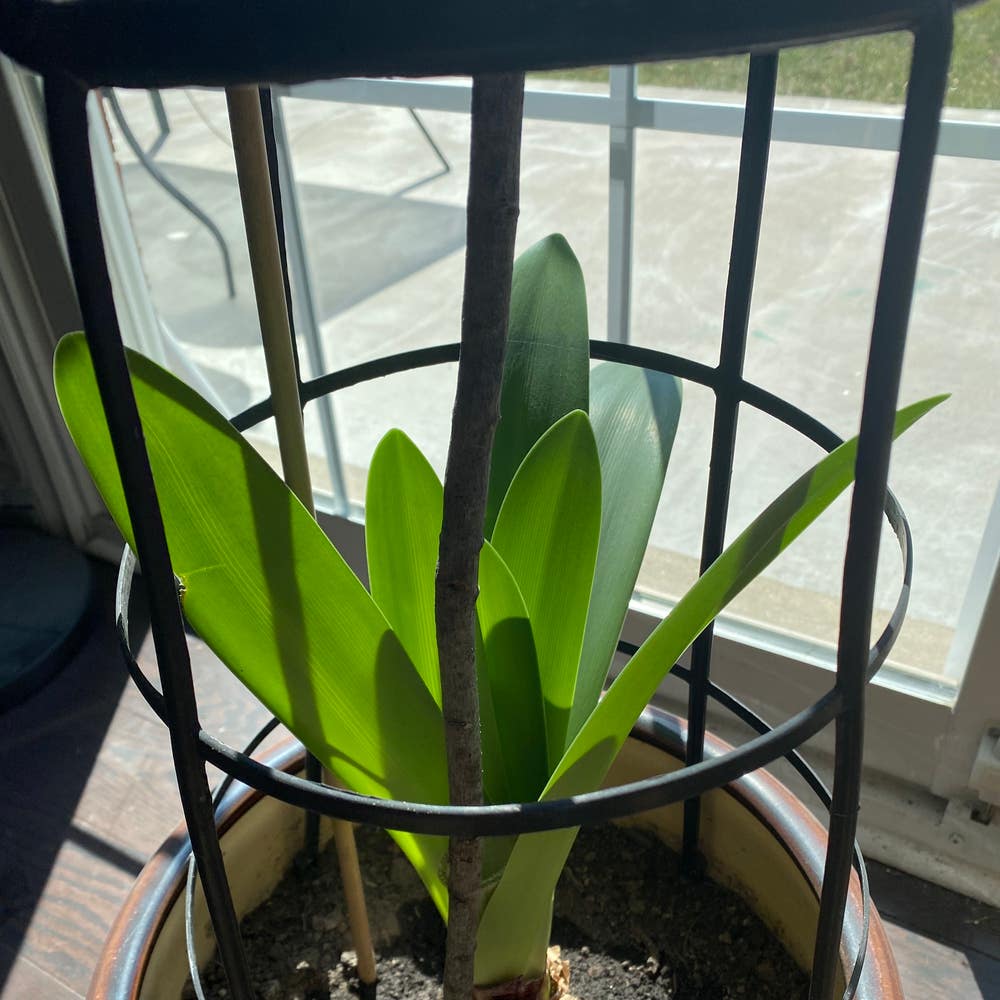
The seedling stage of the Belladonna Lily is a fascinating time. You’ll first notice small, green shoots breaking through the soil, signaling the plant's initial growth.
As these shoots develop, they produce long, strap-like leaves that are soft and tender. This delicate foliage is crucial for photosynthesis, helping the plant gather energy for its future growth.
⏳ Duration of the Seedling Stage
Typically, the seedling stage lasts about 6 to 8 weeks. During this time, the seedlings transition from fragile shoots to more robust plants.
You can identify this transition by observing the development of stronger leaves and a more established root system. This growth sets the foundation for the next phases of the Belladonna Lily's life cycle.
The seedling stage is a critical period, laying the groundwork for the plant's future success. As the seedlings mature, they prepare to enter the vegetative growth stage, where they will continue to thrive and develop.
Vegetative Growth Stage
🌱 Growth Patterns and Changes
During the vegetative growth stage, the Belladonna Lily showcases its unique growth patterns. Notably, leaves emerge only after flowering, setting this plant apart from many others.
The bulb plays a crucial role during this phase, developing and storing energy essential for future growth. This energy reserve is vital for the plant's overall health and vigor.
⏳ Duration of Vegetative Growth
The vegetative growth stage typically lasts between 6 to 12 months. This duration can vary significantly based on environmental conditions.
As the plant matures, you'll notice indicators such as an increase in bulb size and more robust foliage. These signs signal that your Belladonna Lily is thriving and preparing for its next life cycle phase.
In summary, understanding the vegetative growth stage is key to nurturing your Belladonna Lily effectively. This knowledge will help you provide the right conditions for optimal growth, ensuring a vibrant and healthy plant.
Next, we will explore the flowering phase, where the Belladonna Lily truly shines with its stunning blooms.
Flowering Phase
Timing of Flowering 🌸
The Belladonna Lily typically bursts into bloom from late summer to early fall, specifically between August and September. This timing can vary based on several factors, including climate, soil health, and the maturity of the bulbs.
Characteristics of Flowers 🌼
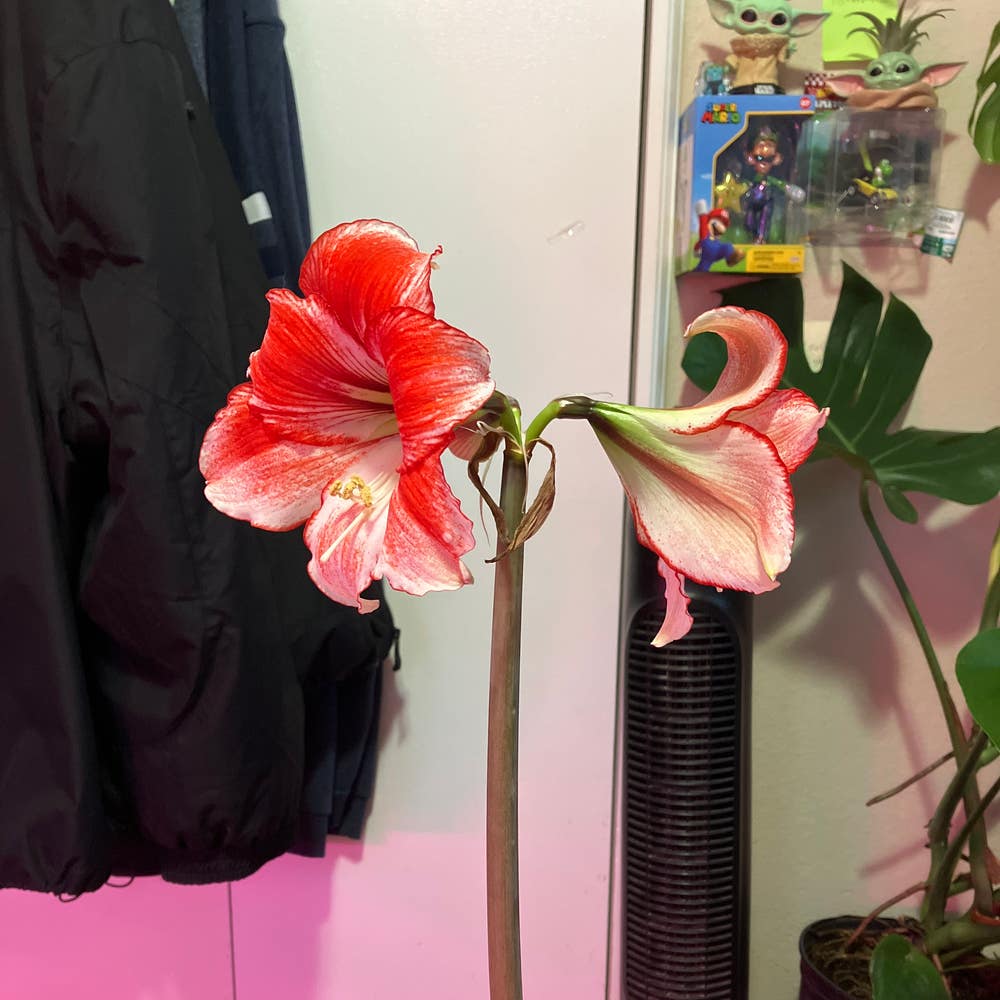
These stunning flowers are known for their trumpet-shaped structure, which emits a delightful fragrance. You'll find a beautiful array of colors, ranging from soft pinks to whites and lavender hues, making them a striking addition to any garden.
Duration of Flowering ⏳
Once in full bloom, the flowering lasts about 2 to 4 weeks. During this period, the flowers attract various pollinators, playing a crucial role in seed production and the continuation of the plant's life cycle.
As we move forward, we'll explore the fascinating process of seed production, which follows the flowering phase and is vital for the Belladonna Lily's propagation.
Seed Production
Process of Seed Formation 🌱
The journey of seed production in Belladonna Lily begins with pollination. This process involves the transfer of pollen from the anthers to the stigma, a crucial step for successful fertilization.
Once pollination occurs, seeds start to develop within capsules. This transformation is a fascinating aspect of the plant's life cycle, showcasing nature's intricate design.
Duration and Conditions for Seed Production ⏳
After flowering, the timeframe for seed formation typically spans 4 to 6 weeks. During this period, the right conditions are essential for optimal seed development.
Warm temperatures and adequate moisture play a significant role in ensuring healthy seed production. These factors help the plant thrive and produce viable seeds, ready for the next generation.
As we explore the growth rate and maturation of Belladonna Lily, we’ll uncover how long it takes for these beautiful plants to reach their full potential.
Growth Rate and Maturation
🌱 How Long Until Fully Grown?
The Belladonna Lily typically reaches full maturity in about 3 to 5 years. This timeline can vary based on several factors, including soil quality, climate, and the care practices employed during its growth.
🌍 Factors Affecting Growth Rate
Environmental conditions play a crucial role in the growth rate of Belladonna Lilies. Key elements include sunlight exposure, temperature fluctuations, and water availability.
The health of the bulb at planting is equally important. A larger, high-quality bulb can significantly enhance growth potential and speed.
⏳ Average Lifespan
The average lifespan of a Belladonna Lily ranges from 3 to 5 years, but with optimal conditions, it can live even longer. Proper bulb care is essential; it can extend both the lifespan and productivity of these beautiful plants.
In summary, understanding the growth rate and maturation of Belladonna Lilies is vital for successful cultivation. With the right conditions and care, these stunning flowers can thrive and bring joy for years to come. Next, we will explore the notable changes throughout their life cycle.
Notable Changes Throughout Life Cycle
🌱 Physical Changes During Each Stage
The life cycle of the Belladonna Lily is marked by distinct physical transformations. During germination, the first signs of life appear as small shoots break through the soil.
As the plant enters the seedling stage, it develops long, strap-like leaves and a more established root system. This growth is crucial for the plant's stability and nutrient absorption.
In the vegetative stage, the bulb begins to grow significantly, storing energy for future development. Leaf expansion occurs, enhancing the plant's ability to photosynthesize.
Finally, during the flowering phase, the Belladonna Lily showcases its stunning blooms, which are essential for reproduction and seed formation. This vibrant display is not just beautiful; it plays a critical role in the plant's life cycle.
🌍 Environmental Adaptations
Belladonna Lilies are remarkably resilient, particularly in drought conditions. Their bulbs store water, enabling them to survive extended dry spells without wilting.
These plants thrive in full sunlight, adapting well to varying light conditions. This adaptability allows them to flourish in diverse environments, making them a favorite among gardeners.
🌦️ Seasonal Influences on Growth and Development
The growth patterns of Belladonna Lilies are closely tied to the seasons. They experience active growth in spring and summer, while winter brings a period of dormancy.
Temperature changes significantly impact their development. Warmer conditions can accelerate flowering time, while cooler temperatures may delay growth, showcasing the plant's sensitivity to its environment.
In summary, the Belladonna Lily's life cycle is a fascinating journey of transformation, resilience, and adaptation. Understanding these changes not only enhances our appreciation for this beautiful plant but also informs better care practices for gardeners. Next, we will explore the growth rate and maturation of the Belladonna Lily, delving into how long it takes for these stunning flowers to reach their full potential.
⚠️ Safety First
This content is for general information and may contain errors, omissions, or outdated details. It is not medical, veterinary advice, or an endorsement of therapeutic claims.
Always consult a qualified healthcare professional before using any plant as food, medicine, or supplement.
Never eat any plant (or feed one to pets) without confirming its identity with at least two trusted sources.
If you suspect poisoning, call Poison Control (800) 222-1222, the Pet Poison Helpline (800) 213-6680, or your local emergency service immediately.
Spotted an error? Please report it here.
Master the 5 phases of Belladonna Lily growth 🌱 with Greg's tailored care reminders that ensure your plants flourish and bloom beautifully!