🌸 Why Belladonna Lily Is A Perennial Plant
Amaryllis belladonna
By the Greg Editorial Team
Nov 08, 2024•5 min read
This article was created with the help of AI so we can cover more plants for you. May contain errors. See one? Report it here.
Transform your garden with the resilient Belladonna Lily 🌼, a stunning perennial that thrives effortlessly year after year! 🌱
- 🌼 Belladonna Lily is a low-maintenance perennial, thriving year after year in various settings.
- 🌱 Enjoy continuous blooms from spring to fall, enhancing your garden's seasonal beauty.
- 🌞 Adaptable to sun and shade, it flourishes in diverse garden environments with proper care.
Characteristics of Belladonna Lily as a Perennial
Key Characteristics 🌼
Belladonna Lily is a remarkable perennial that thrives year after year. Its ability to regrow from established root systems ensures a vibrant display in your garden with minimal effort.
This plant boasts a multi-year lifecycle, allowing for continuous blooming. You can enjoy its stunning flowers season after season, making it a favorite among gardeners.
Another standout feature is its adaptability to various garden settings. Whether in a sunny border or a shaded nook, Belladonna Lily can flourish, bringing beauty to diverse landscapes.
In summary, the Belladonna Lily's perennial nature, coupled with its resilience and versatility, makes it an excellent choice for any garden enthusiast. As we explore its lifecycle and growth patterns next, you'll see how these characteristics contribute to its enduring charm.
Lifecycle and Growth Patterns
🌱 Multi-Year Lifecycle
The Belladonna Lily showcases a fascinating multi-year lifecycle. It begins with germination, where seeds sprout and establish themselves in the soil.
As the seasons progress, the plant undergoes various growth phases, adapting to its environment. A robust root system is crucial during this time, as it stores nutrients that support the plant's development year after year.
🌿 Growth Patterns and Regrowth from Roots
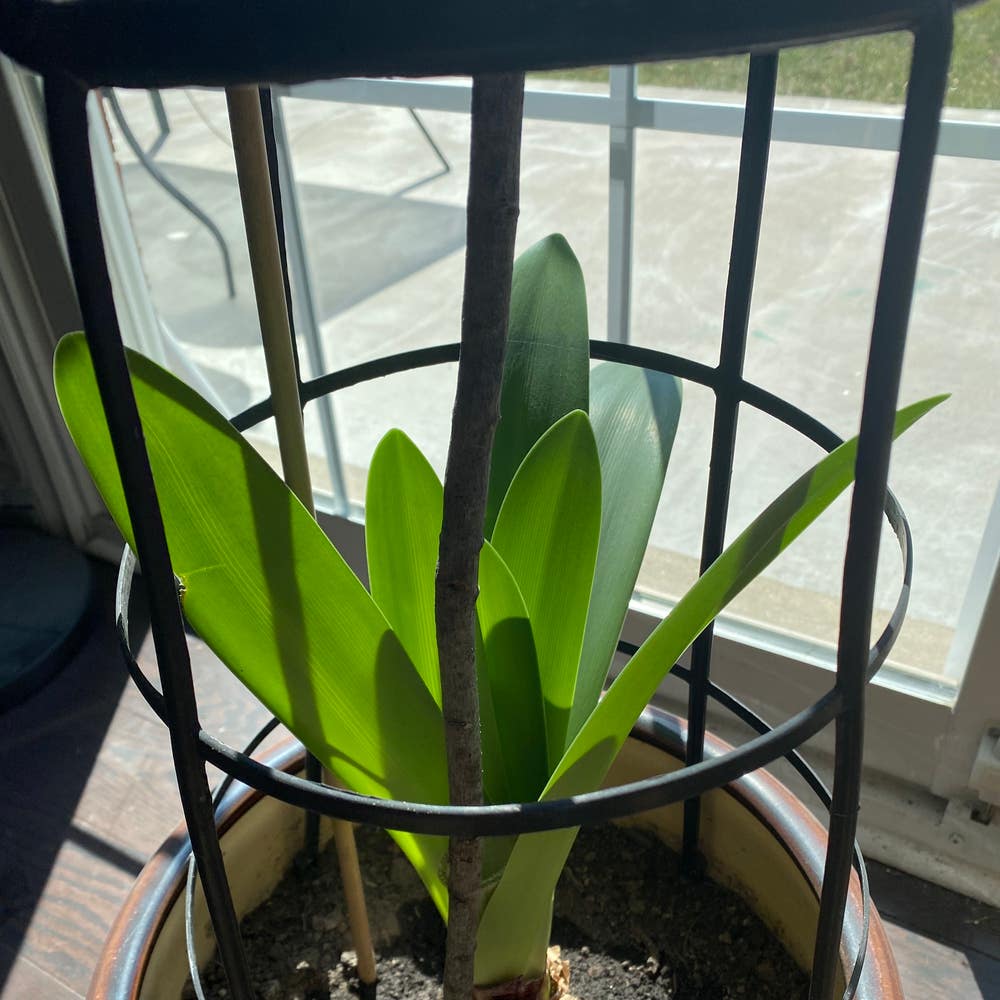
Understanding the seasonal growth patterns of the Belladonna Lily is essential for any gardener. In spring, the plant emerges from dormancy, signaling the start of a new growth cycle.
During the warm months, it thrives, showcasing vibrant foliage and preparing for flowering. The magic lies in its root regrowth; energy stored in the bulbs fuels this new growth, ensuring the plant remains healthy and vigorous.
This remarkable ability to regenerate from its roots not only enhances its resilience but also makes it a favorite among perennial enthusiasts. As we explore the flowering and lifespan of the Belladonna Lily, we’ll uncover more about its enduring beauty and charm.
Flowering and Lifespan
🌸 Flowering Cycles
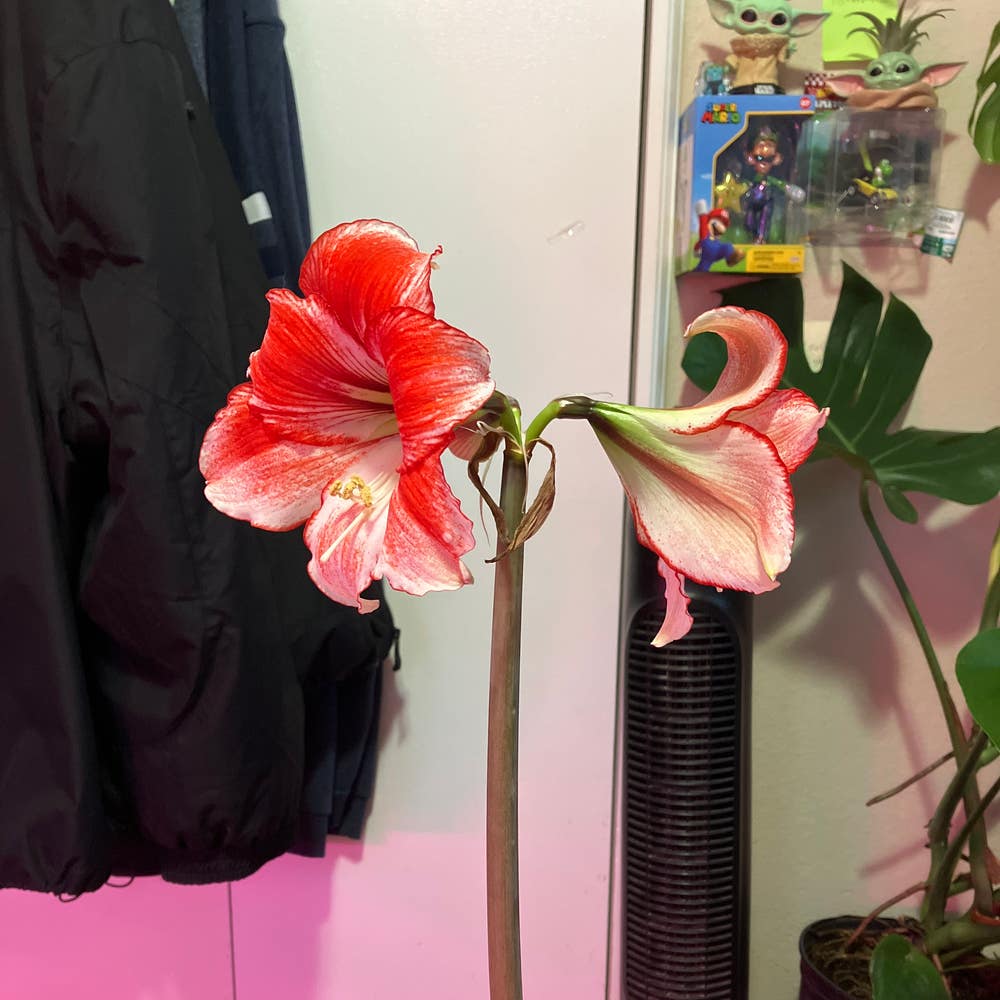
The Belladonna Lily typically bursts into bloom in late summer to early fall. This timing can vary based on environmental factors like temperature and moisture levels, making each growing season unique.
Established plants often showcase an abundance of blooms, creating a stunning display in your garden. The flowers not only add beauty but also contribute to seed production, ensuring the plant's legacy continues.
⏳ Expected Lifespan and Longevity Factors
On average, the Belladonna Lily can thrive for several years, often exceeding a decade in the right conditions. Its longevity is influenced by several factors, including soil quality and drainage.
Climate conditions play a crucial role as well, alongside proper care practices. By providing the right environment, you can enjoy the vibrant presence of these perennials for many seasons to come.
As we explore the dormancy and seasonal changes of the Belladonna Lily, you'll discover how these factors further shape its growth and resilience.
Dormancy and Seasonal Changes
🌙 Dormancy Periods
Belladonna Lily enters a dormancy period during the winter months, allowing it to conserve energy for the upcoming growing season. During this time, you may notice signs such as yellowing leaves and a significant reduction in growth.
🌱 Seasonal Changes Affecting Growth
As winter fades, the Belladonna Lily awakens in spring, marking the resumption of growth. This seasonal transition is crucial, as temperature and rainfall significantly influence its growth patterns.
🌼 Spring Awakening
In spring, the plant emerges from dormancy, signaling the start of a new growth cycle. This is when the stored energy in the roots fuels fresh shoots and leaves.
☁️ Impact of Weather
Temperature fluctuations and rainfall levels can either boost or hinder growth. Adequate moisture encourages robust development, while extreme conditions may stress the plant.
🔄 Adaptation Strategies
Belladonna Lily has developed strategies to adapt to seasonal changes. For instance, it can adjust its growth rate based on available resources, ensuring survival through varying conditions.
Understanding these dormancy and seasonal changes helps gardeners appreciate the resilience of Belladonna Lily. This knowledge can guide you in planning your garden effectively, ensuring your plants thrive year after year.
Next, let’s explore the advantages of incorporating Belladonna Lily into your garden design.
Advantages for Gardeners
🌼 Benefits of Perennial Nature
Belladonna Lily offers significant advantages for gardeners due to its perennial nature. One of the most appealing aspects is the reduced need for replanting, making it a long-term investment in your garden design.
With its consistent presence in perennial beds, this plant provides reliable beauty year after year. Additionally, established root systems enhance drought resistance and improve nutrient uptake, ensuring your garden thrives even in challenging conditions.
🌱 Tips for Maximizing Benefits in Garden Planning
To fully leverage the benefits of Belladonna Lily, consider its strategic placement in your garden design. Companion planting with other perennials can create a vibrant ecosystem, while paying attention to sunlight and soil conditions will optimize growth.
Long-term cultivation strategies are also essential. Regularly monitor plant health and adjust care based on seasonal changes and growth patterns to ensure your Belladonna Lilies flourish. This proactive approach will help you enjoy their beauty for many seasons to come.
As you plan your garden, remember that the resilience and adaptability of Belladonna Lily can lead to a stunning, low-maintenance landscape.
⚠️ Safety First
This content is for general information and may contain errors, omissions, or outdated details. It is not medical, veterinary advice, or an endorsement of therapeutic claims.
Always consult a qualified healthcare professional before using any plant as food, medicine, or supplement.
Never eat any plant (or feed one to pets) without confirming its identity with at least two trusted sources.
If you suspect poisoning, call Poison Control (800) 222-1222, the Pet Poison Helpline (800) 213-6680, or your local emergency service immediately.
Spotted an error? Please report it here.
Cultivate a stunning garden with the resilient Belladonna Lily 🌼, and let Greg provide tailored care reminders to keep your blooms thriving season after season!