How to Grow Belladonna Lily Indoors
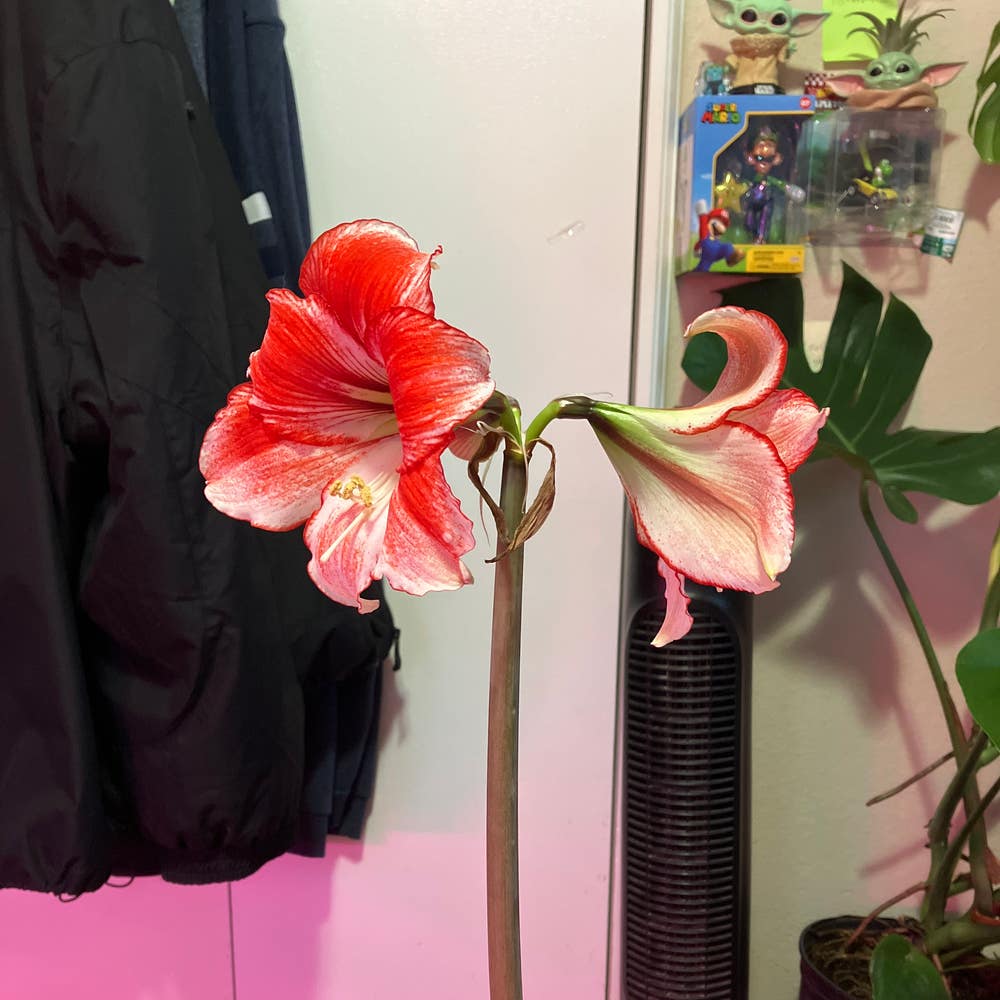
Amaryllis belladonna
By the Greg Editorial Team
Nov 25, 2024•6 min read
This article was created with the help of AI so we can cover more plants for you. May contain errors. See one? Report it here.
Unlock the secret to a flourishing Belladonna Lily indoors with these essential care tips! 🌿✨
- 🌞 Belladonna Lilies need 6 hours of light daily for optimal growth.
- 💧 Avoid overwatering; let soil dry an inch deep to prevent bulb rot.
- 🌿 Maintain 40-60% humidity and check for pests to keep your plant healthy.
Indoor Growing Conditions
🌞 Light Requirements
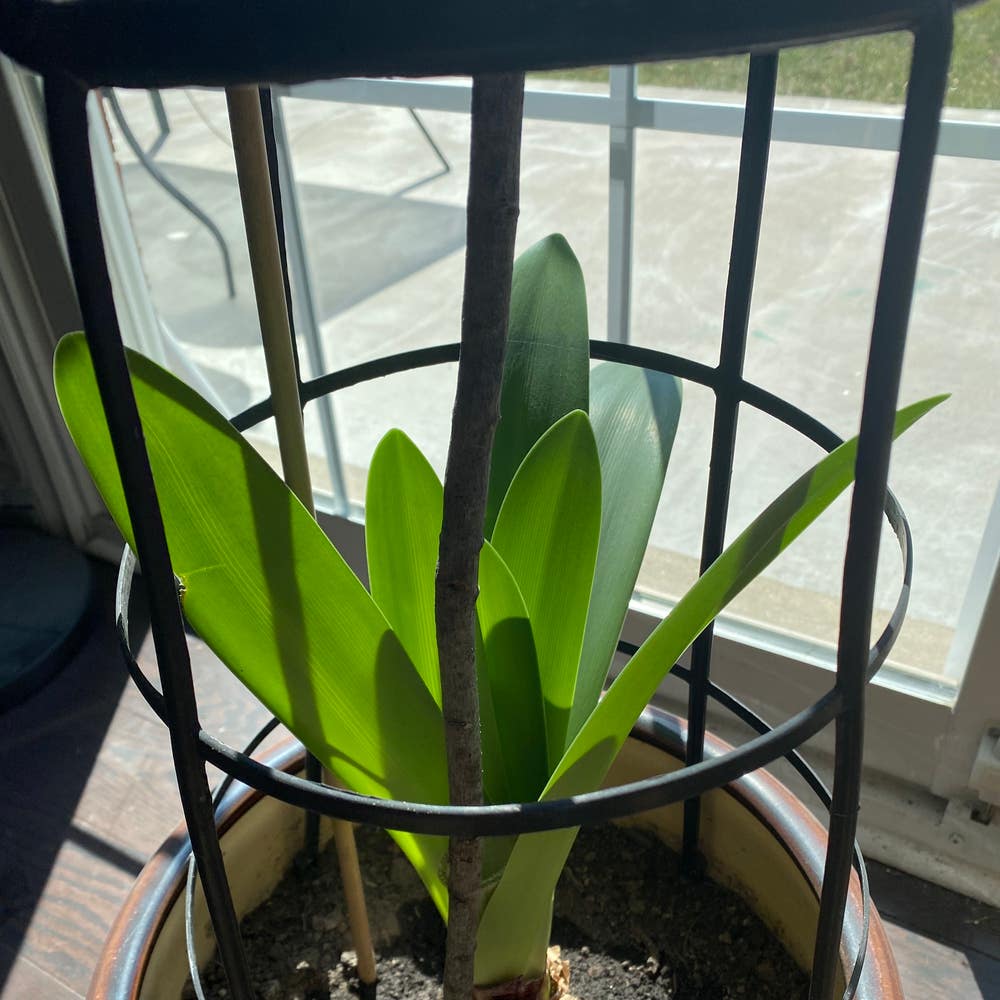
For your Belladonna Lily to thrive, it needs full sun to bright indirect light. Aim for a minimum of 6 hours of light daily to keep your plant healthy and blooming.
If your plant shows signs of leggy growth or fewer blooms, it may not be getting enough light. Adjusting its position can make a significant difference.
💧 Watering Needs and Frequency
Watering your Belladonna Lily requires a bit of attention. Allow the top inch of soil to dry out between waterings to prevent over-saturation.
Watch for yellowing leaves or bulb rot, which are signs of overwatering. Always use room temperature water and ensure you water thoroughly for the best results.
💨 Humidity Control
Maintaining the right humidity is crucial for your plant's health. Aim for humidity levels between 40-60% for optimal growth.
To achieve this, consider using humidifiers, pebble trays, or misting your plant. If you notice brown leaf tips or wilting, it could be a sign of low humidity.
🌡️ Temperature Preferences
Your Belladonna Lily prefers a cozy environment with temperatures ranging from 60°F to 75°F (15°C to 24°C).
Avoid exposing it to drafts or heat sources, as temperature extremes can stress the plant and hinder its growth.
🌱 Soil Type and Potting Considerations
Choosing the right soil is essential for your plant's success. A well-draining potting mix, ideally with sand or perlite, is recommended.
When potting, select containers with drainage holes and plan to repot every 2-3 years to ensure your Belladonna Lily has room to grow.
With these indoor growing conditions in mind, your Belladonna Lily will flourish beautifully. Next, let’s explore the best fertilization practices to keep your plant thriving.
Fertilization and Growth
Best Fertilizers 🌱
When it comes to feeding your belladonna lily, choosing the right fertilizer is crucial. A balanced liquid fertilizer, such as a 10-10-10 mix, or slow-release granules can provide the essential nutrients your plant needs.
For those who prefer organic options, compost or worm castings are excellent choices. They not only enrich the soil but also promote healthy microbial activity, giving your plant a nutrient boost.
Fertilization Schedule and Techniques ⏰
Timing is everything when fertilizing belladonna lilies. Start fertilizing in early spring as growth resumes, ensuring your plant gets the nutrients it craves right when it needs them.
During the growing season, aim to fertilize every 4-6 weeks. To avoid root burn, dilute liquid fertilizers to half strength—this simple technique can make a big difference in your plant's health.
With the right fertilization strategy, your belladonna lily will thrive, showcasing its stunning blooms. As you nurture your plant, keep an eye on its growth and adjust your care as needed, ensuring it remains vibrant and healthy.
Next, let’s explore common issues that may arise and how to tackle them effectively.
Common Issues and Solutions
🐛 Identifying and Preventing Pests
Belladonna lilies can attract a few unwelcome guests, including aphids, spider mites, and mealybugs. To keep these pests at bay, conduct regular inspections, maintain cleanliness around your plants, and consider using neem oil as a natural deterrent.
🦠 Common Diseases and How to Treat Them
Root rot is a serious concern for belladonna lilies, often indicated by wilting and mushy bulbs. Prevent this by ensuring proper drainage in your pots.
Fungal infections can also plague your plants, with symptoms like leaf spots. Treat these issues by applying fungicides or simply removing the affected leaves to promote healthier growth.
🌱 Troubleshooting Growth Problems
If your belladonna lily isn't blooming as expected, it might be due to inadequate light or nutrient levels. Adjusting your care routine can help revive its flowering potential.
Leaf yellowing is another common issue that can arise. To address this, assess your watering practices and check for any signs of pests or diseases that may be affecting your plant's health.
By staying vigilant and proactive, you can ensure your belladonna lily thrives indoors. Next, let’s explore how to effectively use grow lights to enhance your plant’s growth.
Using Grow Lights
🌟 Role of Grow Lights
Grow lights are essential for supplementing natural light, especially when indoor conditions are less than ideal. They help ensure your belladonna lily receives the light it needs to thrive.
There are several types of grow lights available, including LED, fluorescent, and incandescent options. Each type has its own benefits, but LEDs are often favored for their energy efficiency and long lifespan.
💡 Choosing the Best Grow Light
When selecting a grow light, consider factors like light spectrum, wattage, and energy efficiency. Full-spectrum lights are recommended as they provide a balanced range of wavelengths that promote healthy growth.
Choosing the right wattage is also crucial; too low may not provide sufficient light, while too high can lead to overheating. Always check the energy efficiency to keep your electricity bills manageable.
🌱 Placement and Duration of Exposure
For optimal results, place your grow light 12-24 inches above your belladonna lily. This distance helps prevent leaf burn while ensuring adequate light exposure.
Aim for a duration of 12-16 hours of light daily. This mimics natural sunlight and supports robust growth, keeping your plant vibrant and healthy.
With the right grow lights in place, your belladonna lily will flourish indoors, setting the stage for a stunning display. Next, let’s explore maintenance tips to keep your plant looking its best.
Maintenance and Aesthetics
Tips for Maintaining Appearance 🌿
Regular grooming is essential for your Belladonna Lily's health. Remove any dead or yellowing leaves to keep the plant looking vibrant and encourage new growth.
Pruning is another key practice. Cut back spent flowers to promote the development of fresh blooms, ensuring your plant remains lush and attractive.
Best Placement Within the Home 🪴
For optimal sunlight, place your Belladonna Lily in south or west-facing windows. These locations provide the maximum exposure to sunlight, which is crucial for the plant's growth.
Be mindful of drafts as well. Keep your lily away from air conditioning vents and heaters to prevent stress on the plant.
Seasonal Care Adjustments ❄️
During the dormancy period, it's important to adjust your care routine. Reduce watering and stop fertilizing after blooming to allow the plant to rest.
Preparing for dormancy involves moving your lily to a cooler, darker area. This mimics natural conditions and helps the plant rejuvenate for the next growing season.
Transitioning into the next section, understanding how to use grow lights can further enhance your indoor gardening experience.
⚠️ Safety First
This content is for general information and may contain errors, omissions, or outdated details. It is not medical, veterinary advice, or an endorsement of therapeutic claims.
Always consult a qualified healthcare professional before using any plant as food, medicine, or supplement.
Never eat any plant (or feed one to pets) without confirming its identity with at least two trusted sources.
If you suspect poisoning, call Poison Control (800) 222-1222, the Pet Poison Helpline (800) 213-6680, or your local emergency service immediately.
Spotted an error? Please report it here.
Transform your indoor space with a thriving Belladonna Lily 🌼 by using Greg's tailored care reminders and expert tips to keep your plant healthy and blooming beautifully!